5,000-year-old ice bacterium found resistant to 10 modern antibiotics
A microbe frozen for millennia resists modern drugs and may help scientists fight antibiotic resistance.

 Edited By: Joseph Shavit

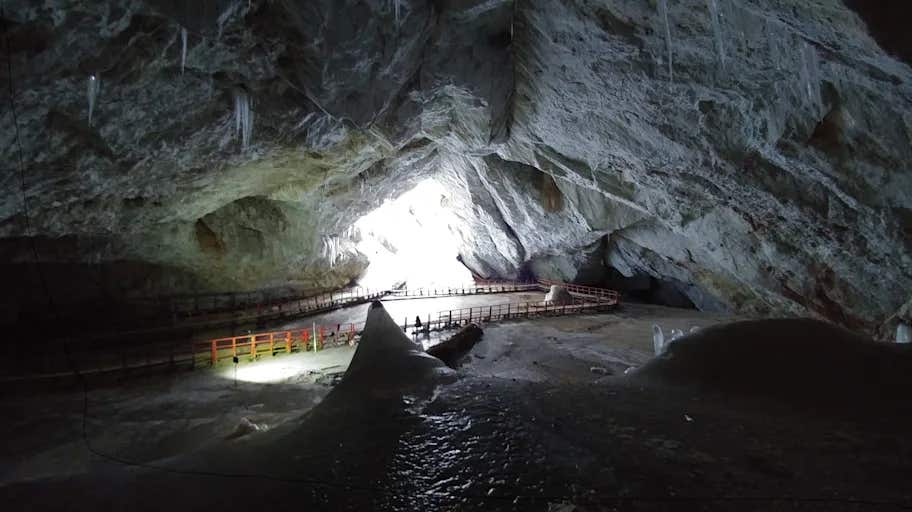
Scarisoara Ice Cave in Romania. A 5,000-year-old cave bacterium shows resistance to modern antibiotics while producing compounds that kill pathogens. (CREDIT: Paun V.I.)
A collection of microbial specimens gathered from a cave located in Romania has displayed a variety of similarities to bacteria that are currently being studied in neurobiology. This research indicates that these microbes have developed a degree of resistance to numerous antibiotics that are currently found in use by health care providers in today’s clinics.
At the same time, this isolate, Psychrobacter SC65A-3, is capable of producing substances that can either kill or restrict the growth of some well-known pathogenic microbes. The combination of these traits has created a level of excitement and concern about this strain of bacteria.
The Psychrobacter SC65A-3 strain was first discovered in a layer of ice found within the Scărișoara Ice Cave, which is believed to have formed approximately 5,000 years ago. This location is among the largest accumulations of underground ice in the world, as confirmed by Dr. Cristina Purcarea and her colleagues, who authored a paper regarding this discovery that was published in the journal Frontiers in Microbiology.
History and Importance of the Psychrobacter
Dr. Cristina Purcarea describes this Psychrobacter SC65A-3 strain as “an ancient organism,” and she explains how it expresses resistance against an extensive range of modern antibiotics by displaying over 100 resistance-associated genetic markers. She maintains that it “can inhibit the activity and growth of other pathogenic microbes.” Dr. Purcarea points out that Psychrobacter SC65A-3 demonstrates a variety of metabolic and enzymatic capacities and has potential use in biotechnological applications.
Frozen ecosystems encompass around 20% of our planet’s surface and can also be considered an immense component of the Earth’s biosphere because their temperatures are extremely low. These frozen habitats provide environmental conditions in which microbial life can persist despite extremely low temperatures, and they possess several unique biological characteristics. Scientists believe that this life form can produce new molecules that will ultimately benefit medicine and industry.
An approximate 100,000 m³ block of ancient ice can be found in the Scărișoara Ice Cave, and the glacial ice is about 13,000 years old. Previous findings have shown that the composition of glacial ice is not uniform. Environmental conditions at the time of the formation of the ice block, along with the presence of organic matter trapped within it and interactions with other life forms, affect how microbial life interacts with and develops within the ice.
Generally, there has not been as much study on microbial life in glacier ice compared with either permafrost or polar glacier ice sheets. Finding out how microbial life survived in these conditions gives unique insight into how microbial life developed traits that allow resistance to antibiotics long before humans had any type of medicine.
Antibiotic Resistance in Ancient Microbial Life
For millions of years before the invention of antibiotics, bacteria were able to achieve a resistant phenotype using their own methods. In fact, antibiotic resistance developed in nature long before humans discovered how to use antibiotics effectively.
When scientists began studying the genetics of antibiotic resistance, a total of 107 genes were discovered that are linked to resistance to various types of antibiotics. Examples of different classes include β-lactams, fluoroquinolones, tetracycline, aminoglycosides, rifampin, and heavy metals. The resistance gene MCR1 is linked to resistance to colistin, a “last-resort” antibiotic, although no susceptibility tests were performed on this drug.
Psychrobacter Bacteria Have a "Dual Personality"
Psychrobacter SC65A-3 is a bacterium that demonstrates a “dual personality.” Aside from being resistant to antibiotics, this bacterium also produces substances that have antimicrobial effects against other microbes.
Laboratory studies demonstrated that Psychrobacter SC65A-3 had a substantial effect in inhibiting the growth of reference Staphylococcus aureus and Escherichia coli, as well as 12 of the 20 clinical pathogen strains tested. These included strains of Enterobacter, Pseudomonas aeruginosa, Klebsiella pneumoniae, and others.
Psychrobacter SC65A-3 showed no inhibitory effects against many strains of Acinetobacter and several strains of methicillin-resistant Staphylococcus aureus. Gene sequence analysis of Psychrobacter SC65A-3 shows that it contains approximately 11 candidate genes that produce antimicrobial compounds. These genes are part of the biosynthesis pathways of bacitracin, pikromycin, rebeccamycin, and others.
In addition, approximately 600 additional genes from Psychrobacter SC65A-3 remain functionally unknown. These genes could represent a new source of undiscovered biological capabilities.
Psychrobacter species live and reproduce successfully in extreme cold saline environments and are found in various cold saline habitats. Psychrobacter SC65A-3 can be cultured at 4–15 degrees Celsius and is resistant to high salt concentrations, and it is therefore both psychrophilic and moderately halophilic. The genome of Psychrobacter SC65A-3 contains 45 genes associated with adapting to different temperatures, including cold-shock and hyperthermophilic-related genes that help the cells function in extreme environments.
The complete genome of Psychrobacter SC65A-3 contains almost 3 million base pairs and more than 2,500 genes. Its greatest genetic similarity is to Psychrobacter cryohalolentis, which is found in frozen permafrost soils and other extreme-temperature environments.
Climate Change and Potential Consequences
It was previously believed that polar areas were isolated from contemporary ecosystems. However, human-caused climate change may create new interactions between ancient microbes that were previously isolated and contemporary bacteria.
According to Dr. Purcarea, “as the ice melts, and ancient (i.e. Psychrobacter SC65A-3) microbes are released, genes from these microbes may find their way into contemporary microbes, further complicating the global problem of antimicrobial resistance. On the other hand, these microbes will also provide new enzymes and bacteria with antibacterial activities, which may lead to the development of new antibiotics, novel industrial enzymes, and biotechnological advances.”
Antimicrobial resistance spreads via horizontal gene transfer between bacteria, especially in areas where bacteria have access to environmental reservoirs such as foods and water. Environmental reservoirs are increasingly recognized as key elements in the development and spread of antimicrobial resistance.
The United Nations Environment Programme has identified environmental factors as some of the leading causes of the development and spread of antimicrobial resistance.
Research findings are available online in the journal Frontiers in Microbiology.
The original story "5,000-year-old ice bacterium found resistant to 10 modern antibiotics" is published in The Brighter Side of News.
Related Stories
- Hidden bacteria beneath the Arctic ice could boost ocean life
- Spray on polymer shield helps plants fight bacteria and survive drought
- Historic Discovery Reveals New Weapon Against Drug-Resistant Bacteria
Like these kind of feel good stories? Get The Brighter Side of News' newsletter.
Rebecca Shavit
Writer
Based in Los Angeles, Rebecca Shavit is a dedicated science and technology journalist who writes for The Brighter Side of News, an online publication committed to highlighting positive and transformative stories from around the world. Her reporting spans a wide range of topics, from cutting-edge medical breakthroughs to historical discoveries and innovations. With a keen ability to translate complex concepts into engaging and accessible stories, she makes science and innovation relatable to a broad audience.