AI-built ‘digital twin’ helps doctors precisely target glioma cancer
U-M researchers use AI “digital twins” to map glioma metabolism and predict which diets or drugs may work for each patient.

 Edited By: Joseph Shavit

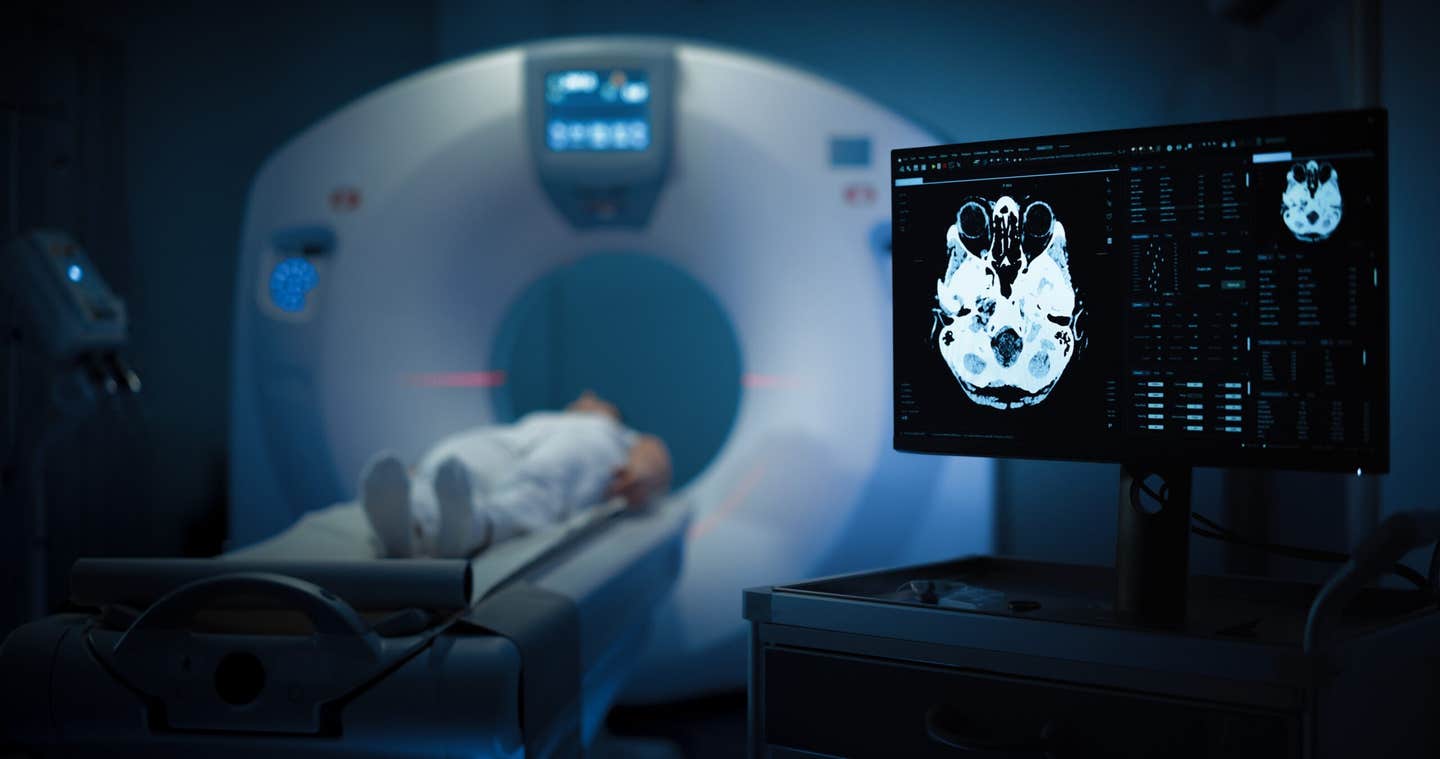
A University of Michigan team built AI digital twins that estimate tumor metabolism in glioma, helping predict diet and drug response. (CREDIT: Shutterstock)
A team at the University of Michigan has built a new way to “read” a brain tumor’s appetite while it is still inside a patient. The approach uses machine learning to create a computer “digital twin” of a person’s glioma, then estimates how fast the tumor consumes and reshapes nutrients. The work aims to help doctors pick treatments that match the biology of an individual tumor, instead of guessing and hoping the cancer is vulnerable.
Gliomas can look similar on scans yet behave very differently. Some depend on certain amino acids, the small building blocks your body uses to make proteins. If those amino acids become scarce, those tumors may slow down. Other gliomas can make the same amino acids on their own and keep growing anyway. Until now, doctors have not had an easy way to tell which patient might actually benefit from a targeted diet plan.
The same problem shows up with some drugs. One example in the study is mycophenolate mofetil, which interferes with how cells make a key building block for DNA. Some tumor cells can work around that by using a “salvage pathway,” which lets them grab what they need from their surroundings instead of making it. If a tumor can dodge the drug like that, the patient pays the side effects cost without getting the benefit.
Why Tumor Metabolism Is So Hard to Measure
In an operating room, surgeons can remove tumor tissue and labs can test it. That still leaves a major blind spot. Metabolism changes over time. It also differs from one region of the tumor to another. Most surgical measurements capture only a moment, not a moving picture.
“Typically, metabolic measurements during surgeries to remove tumors can’t provide a clear picture of tumor metabolism; surgeons can’t observe how metabolism varies with time, and labs are limited to studying tissues after surgery. By integrating limited patient data into a model based on fundamental biology, chemistry and physics, we overcame these obstacles,” said Deepak Nagrath, a University of Michigan professor of biomedical engineering and co-corresponding author of the study.
The new method tries to fill that gap by using the pieces of information doctors can collect and turning them into a personalized simulation.
Building a Digital Twin From Patient Data
The model pulls in three kinds of patient information. It uses blood draw data, metabolic measurements from tumor tissue, and the tumor’s genetic profile. With those inputs, the digital twin estimates “metabolic flux,” the speed at which cancer cells take in nutrients and process them into energy and raw materials for growth.
“This is the first time a machine learning and AI-based approach has been used to measure metabolic flux directly in patient tumors,” said Baharan Meghdadi, a doctoral student in chemical engineering and a co-first author of the study.
To train the system, the researchers used a deep learning model called a convolutional neural network. They did not start with a massive real-world dataset, because those are rare in this kind of surgery-based metabolic work. Instead, they created synthetic patient data grounded in known biology and chemistry. They also constrained the training process using measurements from eight glioma patients who received labeled glucose during surgery. That labeled glucose acts like a tracer. It lets scientists follow how tumor cells handle a key fuel source.
After training, the team tested the digital twins against separate data from six of those same patients. The point was not to memorize a dataset, but to predict metabolic activity accurately when the model encounters new information.
Diet, Amino Acids, and a Key Clinical Question
The study builds on prior research suggesting diet can slow some gliomas. The logic is straightforward. If a tumor cannot access specific amino acids, it may struggle to grow. But that strategy only works when the tumor depends on outside supply. If the cancer can manufacture those amino acids internally, diet changes may do little.
"This is where the digital twin becomes practical. It aims to predict whether a specific tumor is likely to be starved by dietary restriction before a patient commits to a demanding meal plan. That matters because dietary changes can be stressful during cancer care. Patients often face fatigue, nausea, and appetite shifts already. A diet plan that does not help adds another burden," Nagrath explained to The Brighter Side of News.
"In mouse experiments, our team tested the model’s predictions. The diet only slowed tumor growth in mice that the digital twin flagged as good candidates for the treatment. That result matters because it links the simulation to real biological outcomes, not just neat graphs on a screen," he continued.
Testing a Drug, And Spotting Tumors That Can Dodge It
The same platform also evaluated response to mycophenolate mofetil, a drug that targets how cancer cells build DNA. For some tumors, blocking that pathway should make growth harder. For others, the salvage pathway can weaken the drug’s impact.
The digital twins predicted which tumors could bypass the drug by pulling the needed molecule from their environment. The team then checked those predictions in mice and confirmed the pattern.
“These results are exciting. The ability to measure metabolic activity in patient tumors could allow us to predict which metabolic therapies might work best for each patient,” said Daniel Wahl, the Achtenberg Family Professor of Radiation Oncology and a co-corresponding author of the study.
For patients, the emotional weight of this idea is hard to miss. Cancer treatment can feel like a series of leaps into the unknown. A tool that helps rule out treatments a tumor is already prepared to resist could spare time, side effects, and disappointment.
“This amazing tool could help doctors avoid prescribing treatments that a specific tumor is already equipped to resist, and is a way for us to move towards more targeted and personalized treatments for our patients,” said Wajd N. Al-Holou, an assistant professor of neurosurgery and a co-first author of the study.
A Step Toward Personalized Cancer Decisions
A doctor could use a patient’s digital twin to test whether a diet change or a drug is likely to disrupt tumor growth before the patient starts. That is the promise: virtual trials tailored to one tumor, guided by real measurements, and grounded in basic biology.
“This work moves us closer to truly personalized cancer care; not just for brain cancer, but eventually for a variety of tumors. By simulating different therapies virtually, we hope to spare patients from unnecessary treatments and focus on those likely to help,” said Costas Lyssiotis, the Maizel Research Professor of Oncology and co-corresponding author of the study.
The team’s funding came mainly from the National Institutes of Health, particularly the National Cancer Institute. That support signals broader interest in tools that can translate lab insights into choices made at the bedside.
Practical Implications of the Research
This digital twin approach could change how researchers study tumor metabolism in the brain, where repeated sampling is hard and time matters. By estimating metabolic flux from limited patient data, the method offers a way to compare tumors on a deeper level than genetics alone. That could help scientists understand why some gliomas respond to metabolic therapies while others resist, and it could sharpen future clinical trials by enrolling patients whose tumors actually match the treatment’s target.
For patients, the longer-term benefit is decision support. If a tool can predict whether a tumor depends on outside amino acids, clinicians could recommend dietary strategies more confidently, or avoid them when they are unlikely to help.
The same idea applies to drugs like mycophenolate mofetil. If a tumor can sidestep the drug using a salvage pathway, doctors may pivot earlier to other options. Over time, that could reduce exposure to ineffective therapies, cut avoidable side effects, and focus care on strategies with a better chance of slowing disease.
Research findings are available online in the journal Cell Metabolism.
Related Stories
- Groundbreaking new brain cancer test has an 80% accuracy rate with no false positives
- Cambridge scientists reprogram brain cancer cells to stop them from spreading
- AI breakthrough offers non-invasive brain cancer screening
Like these kind of feel good stories? Get The Brighter Side of News' newsletter.
Shy Cohen
Writer