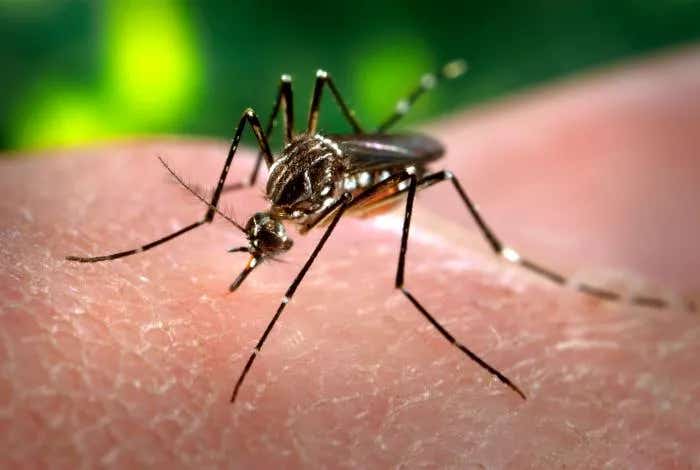
Color-coded mosquitoes safely enables male-only releases to combat Dengue and Zika
New gene-edited “color-coded” mosquitoes make male-only releases safer and easier, boosting future Dengue and Zika control efforts.

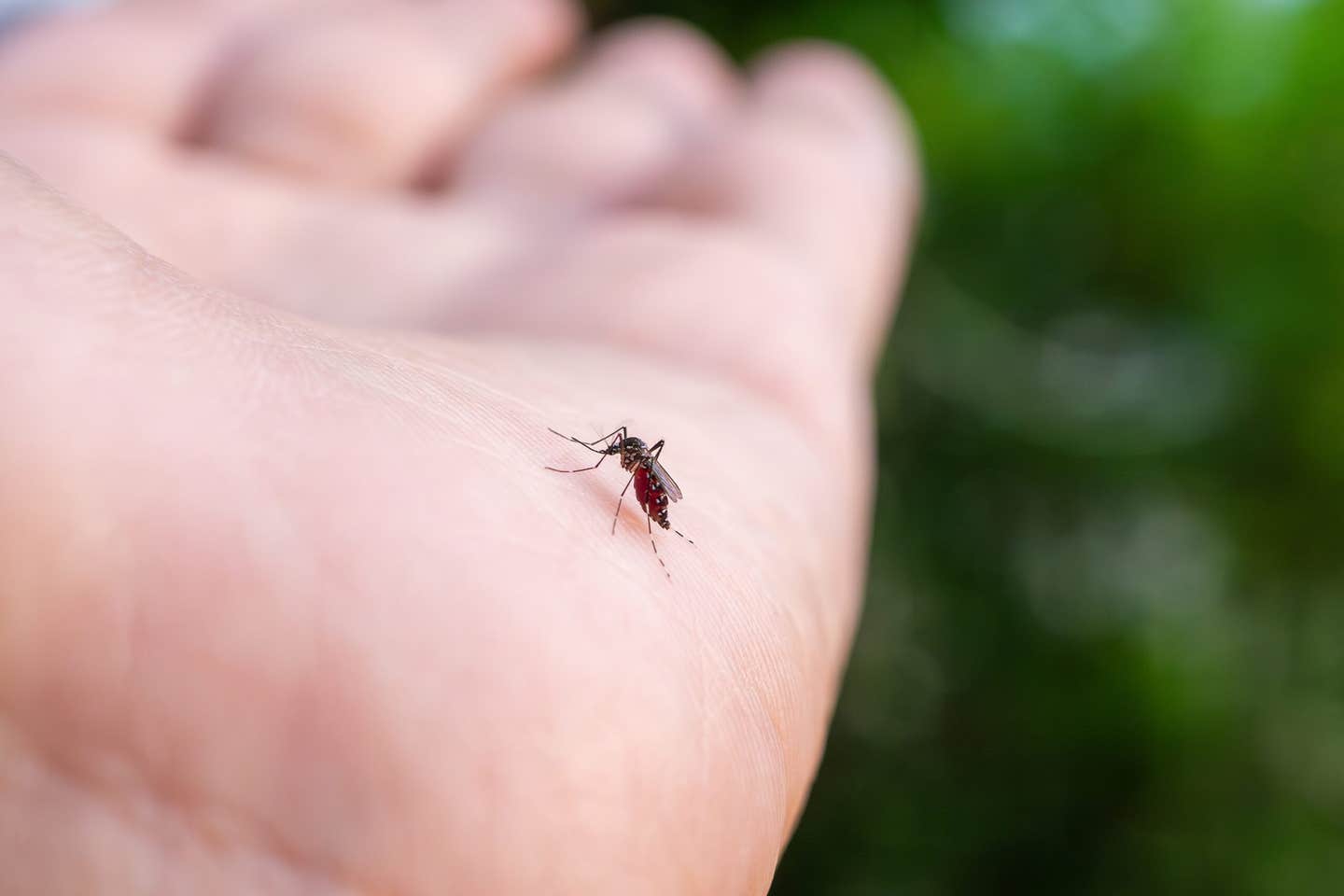
Scientists have engineered a “color-coded” strain of Asian tiger mosquitoes where males are dark and females are pale, allowing quick and accurate sex separation for disease control programs. The system adds a built-in safety feature, since pale females lay eggs that die if they dry out, reducing the risk of modified mosquitoes spreading in the wild. (CREDIT: Shutterstock)
Across much of the world, a tiny striped insect shapes whether families stay healthy or get sick. The Asian tiger mosquito carries Dengue, Zika and Chikungunya, and traditional control efforts often struggle to keep up. A new genetic trick that literally changes how these mosquitoes look could help tip the balance in your favor.
Why Separating Mosquito Sexes Matters
Only female mosquitoes bite and pass on viruses. Males drink nectar, not blood. Many modern control programs release large numbers of males that are sterile or carry a trait that reduces survival in the next generation. When those males mate with wild females, fewer disease-carrying offspring survive.
There is one big catch. These programs must release only males. If too many females slip through, they will still bite, still spread disease and may even weaken the program. Today, most facilities separate sexes by size during the pupal stage. That work is tedious, hard to automate and far from perfect.
Researchers led by Doron Zaada and Prof. Philippos Papathanos at the Hebrew University of Jerusalem set out to remove that bottleneck. Their idea was simple and bold. Make male and female mosquitoes so visually different that machines, or even the human eye, can sort them at a glance.
A Color-Coded Mosquito
The team focused on Aedes albopictus, also known as the Asian tiger mosquito. It is aggressive, invasive and a major target for control programs worldwide. In their study, the scientists describe a “Genetic Sexing Strain” that turns sex into a visible trait.
They used CRISPR gene editing to break a gene called yellow that controls dark pigment in the mosquito body. When this gene is disrupted, the insects turn pale, almost albino. The group then restored normal dark pigmentation only in males by linking a working copy of the yellow gene to nix, a sex-determining gene.
Nix acts like a master switch. When it turns on in a mosquito, the insect develops as a fertile male, even if it started out genetically female. By tying yellow to nix, the team created a line in which all males are dark and all females remain pale.
“This produces an engineered sex-linked trait in mosquitoes that uses the insect’s own genes,” said Prof. Papathanos. “By understanding and controlling the sex determination pathway, we were able to create a system were males and females are visually different at the genetic level.”
For you, that means a sorting line could now separate males and females by simple color, not by fine size differences that demand skill and time.
From Lab Trick to Control Tool
"Color alone would not matter if the mosquitoes were weak or strange. Our researcher team tested whether the converted males behaved like normal males. They examined gene expression and watched how the insects mated," Papathanos told The Brighter Side of News.
"The dark males, including those converted from genetic females, looked and acted like wild males. Their reproductive behavior matched natural males, an essential requirement for any release program. If released near your home, these edited males would still seek out females and compete well for mates," he continued.
The new strain also works at the scale real programs need. Because pigmentation is obvious at the pupal and adult stages, high-throughput machines could scan and sort thousands of insects per hour. Technicians could even perform manual checks with far fewer errors than current methods.
“Our approach provides a versatile platform for mosquito sex separation,” said Papathanos. “By combining cutting-edge gene editing with classical genetics, we have created a scalable, safe, and efficient system.”
A Built-In Safety Net
One concern with any genetically modified organism is what happens if it escapes. Could the modified mosquitoes establish a permanent population and spread their traits in ways no one planned? Here, the color trick comes with an unexpected bonus that may calm some of those fears.
Zaada and colleagues discovered that pale females from the new strain lay eggs that are extremely sensitive to drying. Wild mosquito eggs can survive dry conditions for months. In contrast, eggs from these engineered females die quickly if they dry out, even briefly.
“This acts as a built-in genetic containment mechanism,” said Zaada. “Even if some females are accidentally released, their eggs won’t survive in the wild, preventing any engineered strain containing our system from establishing itself in the environment.”
For communities living in hot, dry climates, this matters. Even if a few modified females are carried beyond the control zone, their fragile eggs would likely fail in natural breeding sites.
Beyond Color: A Platform For Future Tricks
The current system already addresses one of the biggest hurdles in genetic mosquito control: fast and reliable sexing. But the group sees it as a starting point, not the final version. Once a clear visual difference exists, other traits can be layered on top.
“The next step is now to built on this platform and to make females different in more ways, for example in their ability to survive high temperatures or specific additives used in mosquito mass-rearing biofactories,” Papathanos said. “This could finally overcome one of the biggest hurdles in genetic mosquito control.”
If you picture a future mosquito factory, you can start to see the possibilities. Females could be engineered to die at higher temperatures that males tolerate, or to react to a harmless chemical in the water. A simple change in temperature or feed would then wipe out females while leaving males untouched, even before the color sorting step.
From Bench to Public Health Impact
The study focuses on Aedes albopictus, but the concept is broader. Many mosquito species share similar pigmentation pathways and sex-determination switches. With further work, similar “color-coded” strains could be created in other vectors that trouble your region.
At the same time, the method uses only mosquito genes and relies on traits like color and egg survival that are easy to measure and regulate. That may make it easier for health agencies and regulators to evaluate, compared to more complex gene-drive systems.
Published in Nature Communications, the work gives public health teams a concrete, practical tool. It connects frontier gene editing with the very down-to-earth job of making sure the mosquitoes that fly out of a factory into your neighborhood are harmless males, not biting females.
Practical Implications of the Research
For future mosquito control campaigns, this color-based genetic system could remove one of the biggest logistical headaches: accurate sex separation at massive scale. Programs that release sterile or modified males near homes, schools and farms would gain confidence that almost no females are slipping through. That translates into fewer bites, less virus transmission and more trust from the public.
Because the engineered males keep normal mating behavior and fitness, they can compete well in the wild, improving the odds that disease-carrying female mosquitoes in your area will mate with harmless males. The built-in weakness of the engineered females’ eggs also adds a safety layer, lowering the chance that genetically modified strains could spread on their own.
For researchers, the work offers a flexible genetic platform. The same design can be adapted to add other “female-only” weaknesses, such as sensitivity to heat or specific feed additives used in rearing centers. Over time, this could give public health agencies a toolbox of strains tailored to local climates and infrastructure.
In the bigger picture, the study shows how deep knowledge of insect biology, paired with careful gene editing, can produce targeted, humane control methods that reduce reliance on broad insecticide spraying. That shift could benefit ecosystems as well as human health, protecting pollinators and other harmless insects while focusing pressure on the mosquitoes that make people sick.
Research findings are available online in the journal Nature Communications.
Related Stories
- Scientists discover natural mosquito killer that could save hundreds of thousands of lives each year
- Lifesaving Vaccine Patch Protects Against Mosquito-borne Zika Virus
- Breakthrough new vaccine protects against Zika virus while preventing serious side effects
Like these kind of feel good stories? Get The Brighter Side of News' newsletter.

Joshua Shavit
Writer and Editor
Joshua Shavit is a NorCal-based science and technology writer with a passion for exploring the breakthroughs shaping the future. As a co-founder of The Brighter Side of News, he focuses on positive and transformative advancements in technology, physics, engineering, robotics, and astronomy. Joshua's work highlights the innovators behind the ideas, bringing readers closer to the people driving progress.