Colossal BioVault in Dubai to preserve DNA of Earth’s most endangered species
A new global BioVault opening in Dubai aims to preserve genetic material from endangered species, offering a backup plan for life on Earth as extinction risks grow.

 Edited By: Joseph Shavit

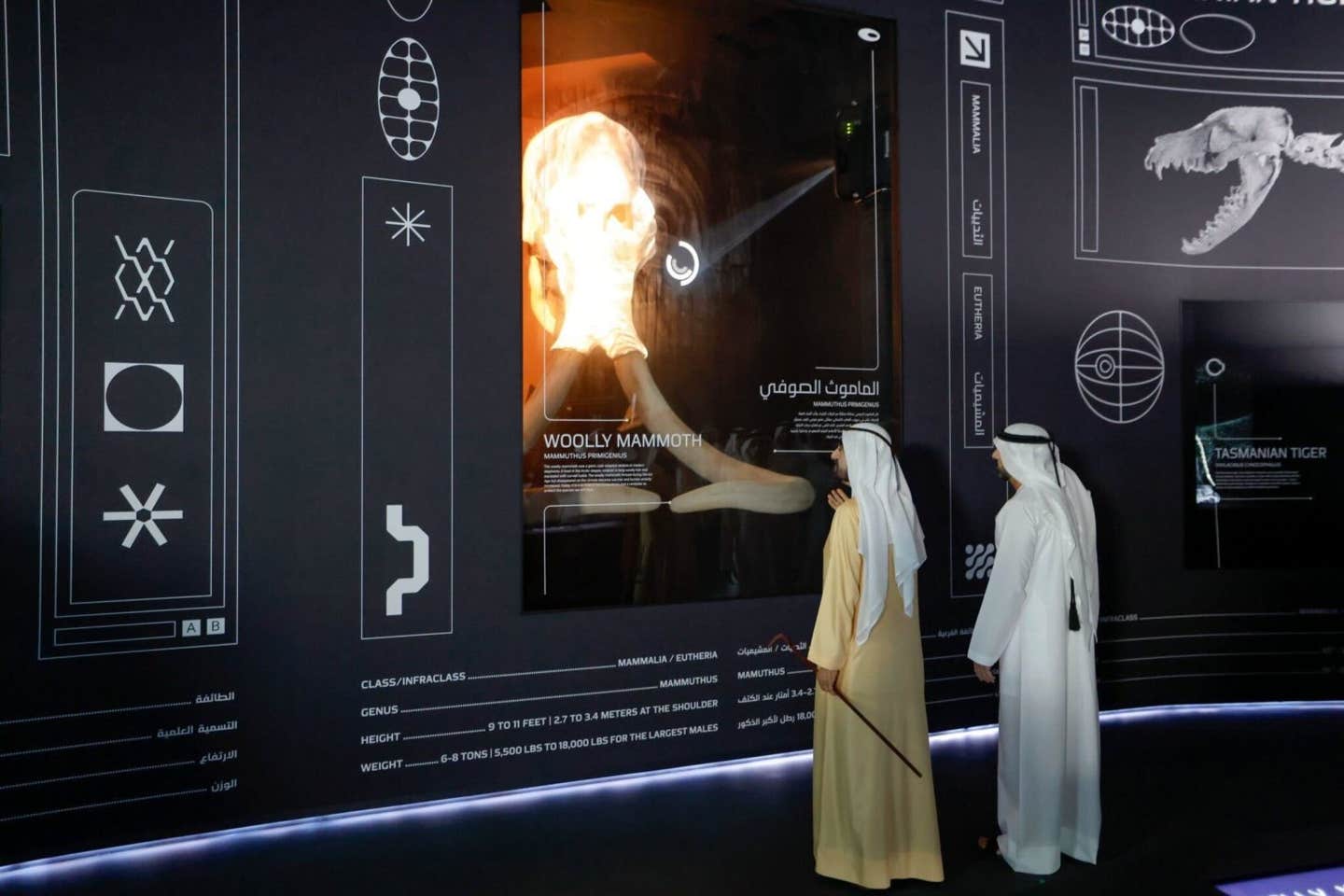
The Dubai BioVault will serve as the first facility in an emerging international network of bio-resource centers. (CREDIT: Colossal Biosciences)
Colossal Biosciences has announced a new collaboration with the United Arab Emirates to create a global genetic repository. This repository will be referred to as “The Colossal BioVault,” and it will contain frozen DNA samples of endangered and extinct species. The Colossal BioVault will be housed within Dubai’s Museum of the Future and will also act as the foundation for the newly created World Preservation Lab, which was established at the recent World Governments Summit.
As a way to preserve endangered species, the BioVault serves as an online global safety net for biodiversity. The BioVault will be home to frozen DNA samples and related material taken from 100 of the most critically endangered species in the world. Over time, the repository will grow to include more than one million samples representing more than 10,000 different species.
Co-founder and CEO of Colossal Biosciences Ben Lamm stated, “We’re losing species at an alarming rate, and the world is in urgent need of a distributed network of global BioVaults as a true backup plan for life on Earth.”
Global Biodiversity At Risk
Colossal Biosciences and UAE officials have indicated that nearly half of the planet’s species could be lost by 2050 due to habitat destruction, climate change, disease, and human intervention. The current speed of species decline greatly exceeds existing conservation efforts aimed at saving them.
While the Colossal BioVault will store its material using cryogenic technology, it will also utilize advanced robotic and artificial intelligence systems to support the ongoing development of its collection. To preserve population genetic diversity, numerous specimens will be preserved for every animal species included in the study. This approach provides improved opportunities to use preserved DNA as potential candidates for future conservation breeding programs and the restoration of habitats and ecosystems.
The long-term goal of the Dubai BioVault is to produce and generate genomic data for new and previously studied species. It will also produce genome reference materials and models for future use in advancing biodiversity research and planning.
Open Science And Long-Term Planning
In addition to its storage role, the company intends to make all genetic data produced and collected publicly available. This will allow researchers around the world to work collaboratively with Colossal.
“Funding for biobanks today is inconsistent, often limited to one entity such as a research grant, or localized. Further, there is a significant lack of international collaboration and cooperation as required by today’s biodiversity crisis,” said Colossal founder Ben Lamm. The Dubai facility will be known as the Colossal BioVault, and it represents a significant response to the growing need for a modern-day Noah’s Ark designed to protect life on Earth and support a shared future for all species.
The UAE made a multi-year commitment to this initiative by providing a $99 million investment as part of its broader commitment to biobanks and biodiversity. In addition, the UAE invested $60 million directly into Colossal, managed by Crown Prince Sheikh Hamdan bin Mohammed bin Rashid Al Maktoum. This brought Colossal’s total funding to $615 million raised to date in its most recent funding round.
The Role Of The Museum Of The Future
The Museum of the Future will serve as the primary location for both the BioVault and the World Preservation Laboratory. The museum has established itself as an international center for science and technology, and the addition of the BioVault and the laboratory extends this mission.
Majed Al Mansoori, executive director of the Museum of the Future, stated that the importance of the partnership lies in its commitment to using science and technology to address the world’s most pressing challenges. “We’re partnering with the leaders in the field of bioengineering and conservation, Colossal Biosciences, and moving forward on a bold path toward developing science that protects our Earth, restores ecosystems, and creates a sustainable legacy for future generations,” he said.
In its first year of operation, the project will include extensive fieldwork to collect DNA samples from a range of animal species. Al Mansoori explained that this initial phase establishes a scientific framework for long-term conservation efforts and strengthens the museum’s role in promoting environmental stewardship.
Public Engagement And Citizen Science
Visitors to the museum will be able to observe scientists conducting their work in real time. The laboratory will receive live tissue samples from collected specimens, sequence their DNA, and store resulting cell lines at cryogenic temperatures on-site.
This visibility will give visitors opportunities to participate in citizen science initiatives and support public awareness of biodiversity loss. It also allows the public to better understand how scientific research contributes directly to conservation efforts.
Creating A Worldwide Network Of Bio-Resource Centers
The Dubai BioVault will serve as the first facility in an emerging international network of bio-resource centers. This network will allow Colossal to develop facilities in multiple countries and create redundancy to protect genetic materials from regional catastrophes and political instability.
The goal of the network is not only to store genetic materials but also to provide scientists with the means to produce offspring for endangered species. In certain cases, it may even support efforts to resurrect species that have gone extinct.
Colossal has recently drawn attention for its research into the woolly mammoth and what it describes as real-world dire wolf studies. The BioVault partnership between the UAE and Colossal reflects broader scientific and economic collaboration between the UAE and the United States, spanning technology, military, trade, and now conservation biotechnology.
Conservation As A Long-Term Safeguard
Conservation plays a critical role in protecting future food systems, and preserving genetic diversity helps ensure that if habitats are lost or species populations decline severely, scientists retain access to the full range of genetic diversity needed for recovery.
Colossal does not believe conservationists can wait until species are on the brink of extinction to begin preserving their DNA. By banking genetic material now, conservationists will have the tools needed to respond more effectively in the future.
According to Lamm, “The UAE has an amazing partnership with Colossal due to the UAE’s commitment to technological innovation, conservation, and advancement.” He added that the partnership allows Colossal to significantly expand its mission at both regional and global levels.
A Contingency Plan For Life On Earth
On a global scale, the BioVault project may change how species conservation is conducted. The facility will contain high-quality genetic data from hundreds of species that are often difficult to study. Researchers can use this data to improve breeding programs, develop more sustainable habitats, and better understand how species respond to environmental stressors.
The BioVault also shows the public how conservation scientists use technology in real time to preserve life on Earth. Visitors will see the tangible outcomes of these efforts and gain a clearer understanding of why biodiversity protection matters.
The BioVault is designed to protect biodiversity for generations to come. If ecosystems continue to deteriorate, the preserved genetic materials will support species recovery and help strengthen populations that exist in fragile states today. While the BioVault cannot replace habitat protection, it offers an extraordinary contingency plan for life on Earth as we know it.
Related Stories
- Scientists reprogram elephant stem cells to revive the woolly mammoth
- 5D memory crystal can store the entire human genome for billions of years
- Human genome mapping uncovers 50,000 mysterious DNA structures
Like these kind of feel good stories? Get The Brighter Side of News' newsletter.
Shy Cohen
Writer