Dentists are becoming an unexpected front line in diabetes screening
A quick dental chair test flagged pre-diabetes or diabetes in more than 35 percent of patients with no known history.

 Edited By: Joseph Shavit

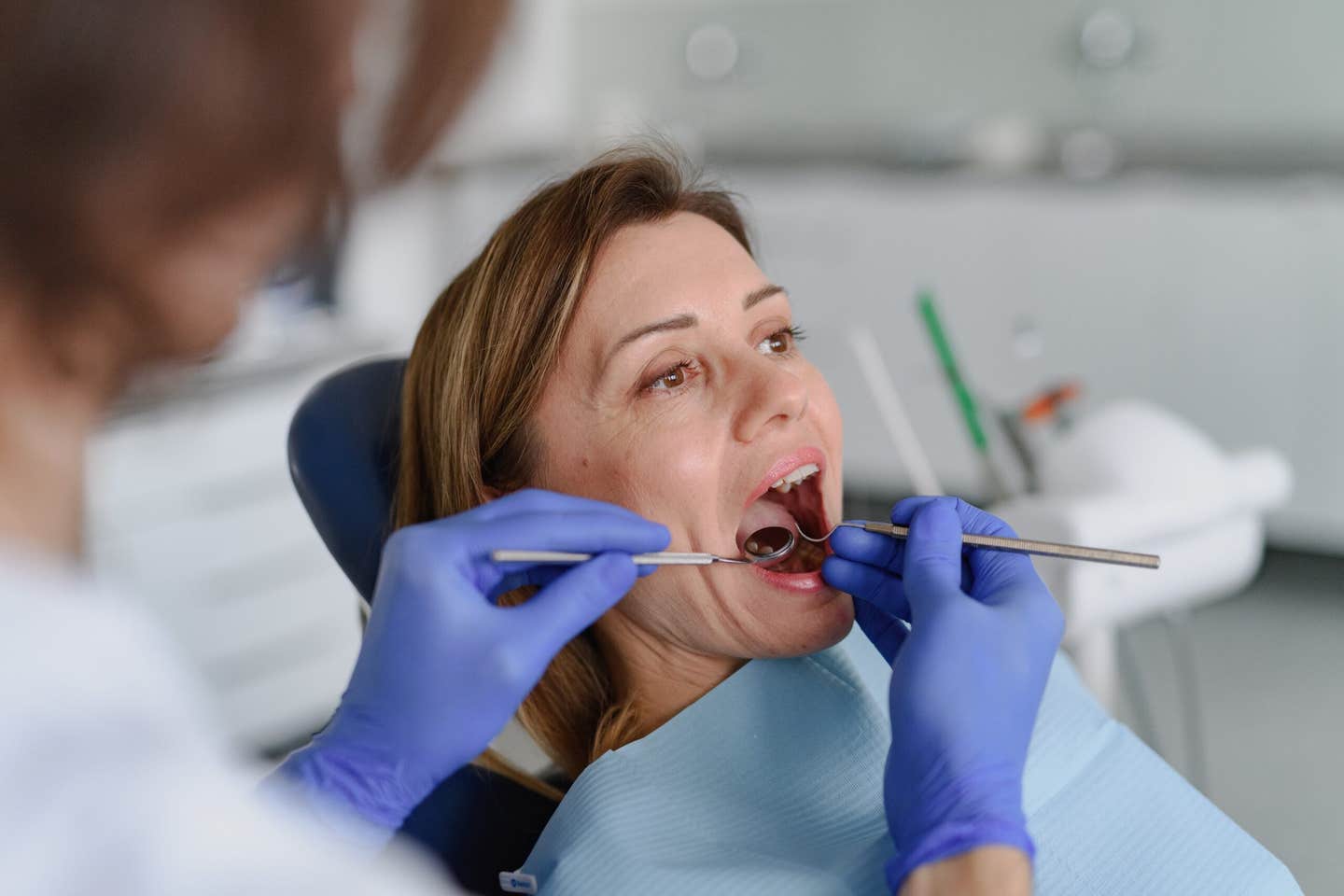
Chairside HbA1c tests at dental visits identified undiagnosed pre-diabetes or diabetes in more than a third of patients. (CREDIT: Shutterstock)
A finger-prick during a dental appointment may seem far removed from diabetes care. Yet in a new UK study, that small test picked up something many patients did not know about: blood sugar levels in the pre-diabetes or diabetes range.
Researchers at King’s College London found that more than 35 percent of dental patients with no self-reported history of diabetes had raised HbA1c levels, a marker of average blood sugar over the previous two to three months. The finding came from a chairside test that produced results in about six minutes and was used during routine care at Guy’s and St Thomas’ NHS Foundation Trust.
That matters because diabetes and pre-diabetes are rising steadily, and many cases still go undiagnosed. According to Diabetes UK, nearly 1.3 million people in the UK could be living with type 2 diabetes without knowing it.
A test that fits the dental chair
The study included 911 patients from the King’s College London Oral, Dental and Craniofacial Biobank. All had a confirmed periodontal diagnosis, whether that was gum health, gingivitis, or periodontitis, and had not received periodontal treatment in the previous year. Of the full group, 104 patients reported type 2 diabetes, eight reported type 1 diabetes, and nine said they had pre-diabetes.
Among patients who did not report diabetes, 227 fell into the pre-diabetes range and 58 into the diabetes range based on HbA1c. Even after excluding the nine people who already knew they had pre-diabetes, 276 participants, or 35 percent, still had HbA1c levels of 5.7 percent or higher. Sixteen percent of patients with no self-reported diabetes or pre-diabetes were above the NICE threshold of 6.0 percent or more.
“The findings suggest that dental visits may offer a valuable opportunity to identify those at risk of diabetes, particularly in older patients, those with higher BMI, and people with gum disease,” said Dr Giuseppe Mainas, specialist periodontist and research associate at King’s College London.
HbA1c testing has one practical advantage in this setting. It does not require fasting. Professor Mark Ide, professor of periodontology at King’s College London and first author of the study, said that could help avoid fainting in the dental chair, while also making screening easier to fit into routine appointments.
Where gums and metabolism meet
The study also looked closely at gum disease. HbA1c levels rose across the periodontal categories, from patients with periodontal health to those with gingivitis and then periodontitis. Researchers also reported a gradual increase in HbA1c from stage I to stage IV periodontitis.
That pattern adds to a long-established link between gum disease and metabolic health. Senior author Professor Luigi Nibali, Academic Lead and Director of the periodontology department at King’s College London, described the relationship as bidirectional.
“The relationship between gum disease and metabolic health is bidirectional since impacts one another, as widely established by previous research,” Nibali said. “The inflammatory process can change the metabolic system, and the metabolic system impacts inflammation further. Gum disease can lead to complications of diabetes, and visa-versa.”
Still, the picture became more cautious after the researchers adjusted for other factors. In multivariable analyses, age remained the clearest factor linked with HbA1c levels, while BMI was also significantly associated with being above the 5.7 percent threshold. Periodontal diagnosis showed only a borderline or non-significant association after adjustment.
Useful, but not a final diagnosis
The chairside device itself performed well when checked against venous blood samples from 100 participants. The two methods showed very close agreement overall. At higher HbA1c levels, though, the finger-prick test tended to slightly underestimate results. The authors said that is worth keeping in mind if the test is being used around diagnostic cutoffs.
The study has some clear strengths. It is described as the largest UK study to date to use this kind of HbA1c test during routine dental appointments, and it drew on a large, well-characterized patient group. But it also has limits.
This was a cross-sectional study, so it cannot prove cause and effect. It used a convenience sample from a dental biobank, which may limit how well the findings apply to the wider population. The setting was a secondary care center, and more than 82 percent of participants had periodontitis, which likely reflects the referral nature of the clinic rather than the true mix of patients in the community. The study also did not include a cost-effectiveness analysis.
Practical implications of the research
The study suggests dental appointments could serve as another point for spotting people who may need follow-up for high blood sugar, especially older patients, those with higher BMI, and those with gum disease.
A quick chairside HbA1c test would not replace a GP assessment, but it could prompt one sooner.
For a condition that often develops quietly, that extra chance to catch a problem may matter.
Research findings are available online in the Journal of Dentistry.
The original story "Dentists are becoming an unexpected front line in diabetes screening" is published in The Brighter Side of News.
Related Stories
- Living at high altitudes may reduce risk of diabetes and other metabolic diseases
- FDA-approved diabetes drug could treat common cause of blindness
- Stanford researchers cure type 1 diabetes in mice by resetting the body's immune system
Like these kind of feel good stories? Get The Brighter Side of News' newsletter.
Mac Oliveau
Writer
Mac Oliveau is a Los Angeles–based science and technology journalist for The Brighter Side of News, an online publication focused on uplifting, transformative stories from around the globe. Passionate about spotlighting groundbreaking discoveries and innovations, Mac covers a broad spectrum of topics including medical breakthroughs, health and green tech. With a talent for making complex science clear and compelling, they connect readers to the advancements shaping a brighter, more hopeful future.