High‑fat diets linked to fast decline in gut health
A preclinical study found a high-fat diet can rapidly deplete gut immune cells that help protect the intestinal barrier.

 Edited By: Joseph Shavit


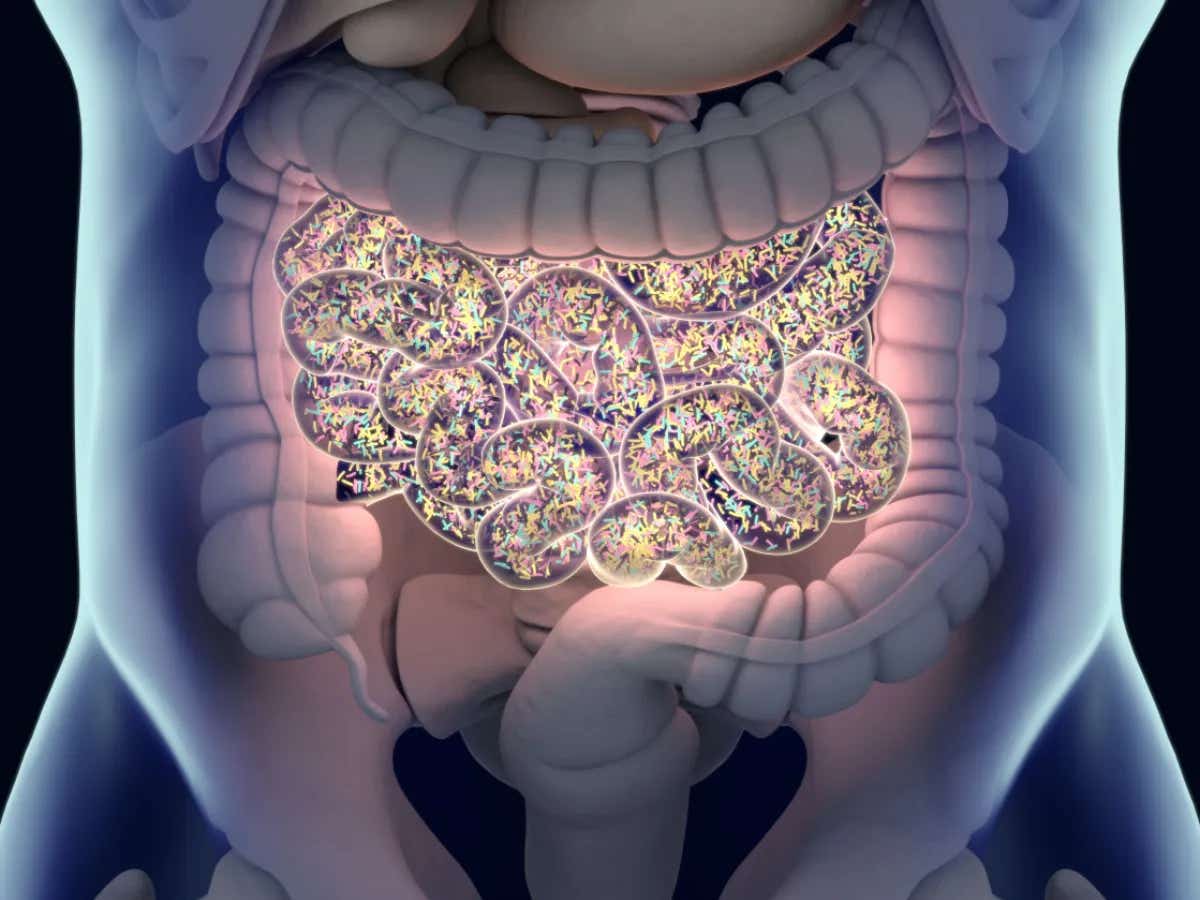
High-fat diets may quickly destroy gut immune cells, weaken the intestinal barrier, and trigger inflammation, study finds. (CREDIT: Shutterstock)
Fat hits the gut fast, and one line of immune defense disappears almost right away.
That is the unsettling picture from a new preclinical study by researchers at Mass General Brigham. They found that even a brief stretch on a high-fat diet can wipe out key immune cells in the intestine, weaken the gut barrier, and stir inflammation before broader metabolic problems become obvious. The work, led by Selma Boulenouar of the Mass General Brigham Neuroscience Institute and published in Immunity, focused on cells called group 3 innate lymphoid cells, or ILC3s.
These cells do an unglamorous but essential job. In the small intestine, they help hold the line between the body and the bacteria, food particles, and other material moving through the gut. They also produce IL-22, a molecule that helps protect the gut lining and supports antimicrobial defenses. When those cells vanished in the study, the intestine became leakier and more inflamed.
The speed surprised the team.
“We were particularly surprised by the speed and specificity of the response,” the source material says. The researchers noted that ILC3s are established early in life and are usually thought to be resilient. Yet they were rapidly depleted within days of high-fat diet exposure, while a related immune population called Th17 cells largely stayed intact.
Not just weight gain
One of the study’s sharper points is that the damage did not seem to depend on obesity itself.
The researchers compared mice in several ways to separate the effects of body weight from the effects of fat intake. In one set of experiments, even obese leptin-deficient mice kept their ILC3s when they ate a matched control diet. Meanwhile, both obese and lean mice lost those cells when fed the high-fat diet. In another, mice that were pair-fed high-fat food, so they stayed lean and matched control animals in calorie intake, still lost ILC3s. That pushed the blame toward dietary fat absorption itself, not just overeating or extra body weight.
The team also used orlistat, a drug that blocks dietary fat absorption. In mice on the high-fat diet, that treatment protected the gut immune cells from depletion.
That mattered.
It suggested that the cells were not simply reacting to a heavier body, but to fat moving through the gut and into the local immune environment.
The gut’s immune alarm system
The study did not stop at counting lost cells. It traced a mechanism.
Researchers used mouse models, human intestinal biopsy samples, flow cytometry, transcriptomics, metabolic assays, live-cell imaging, and germ-free animals to figure out what was happening. Their results point to a chain reaction: dietary fat helps set up conditions that allow microbial inflammatory signals to rise. Those signals interfere with the cells’ ability to process lipids, mitochondrial stress builds, and the ILC3s die.
In germ-free mice, the picture shifted. Animals that lacked a microbiota did not lose ILC3s on the high-fat diet in the same way conventionalized mice did, even though they still absorbed fat. But when microbial components such as LPS were introduced, the cells were depleted. The source describes this as microbiota-driven inflammation rather than fat alone doing all the damage.
The team found similar signs in people, though more cautiously. In human terminal ileal biopsies from people with no history of inflammatory bowel disease or metabolic syndrome, the percentage of ILC3s fell as body mass index rose. Th17 cell frequencies did not show the same change. The human group included 16 non-smoking adults, eight women and eight men, ages 24 to 79.
Days, not months
Many diet studies lean on long timelines. This one went looking for the earliest shift.
The researchers found signs of increased microbial products in mouse blood after just 24 hours on the high-fat diet, with stronger effects after six days. Even at that early stage, the mice still had normal glucose tolerance, meaning the immune disruption showed up before detectable diabetes-like changes. Meanwhile, dying ILC3s increased after one day, rose further after three days, and by six days the cells were essentially gone.
That early loss came with consequences. ILC3s help defend against pathogens by supporting antimicrobial responses. When mice were challenged with Citrobacter rodentium, early high-fat feeding was enough to impair resistance. The source also reports that ILC3 loss persisted during extended feeding. It also states that immune changes were seen across the duodenum, jejunum, ileum, and colon.
Not all fats looked the same, either. When the team tested several fat sources, ILC3s were preserved only in mice fed a fish-oil-based high-fat diet. Other high-fat diets were linked to increased gut permeability and inflammatory signals.
Why these cells, and not others?
That question sits near the center of the paper.
ILC3s and Th17 cells can both produce IL-22, but the researchers say the two populations do not handle metabolic stress in the same way. According to the source material, ILC3s rely more heavily on a lipid-burning program tied to PPARα. Under inflammatory conditions triggered by diet and microbiota, that program gets disrupted. If the cells are already loaded with fat, the result is toxic stress inside mitochondria. Th17 cells appear more metabolically resilient under the same conditions.
The authors argue that this helps explain why ILC3s, but not Th17 cells, are depleted in overweight and obese individuals.
Still, there are limits to what this study can say. It is explicitly described as preclinical. The human data show associations in intestinal samples, but the mechanistic work was done in mice. The source also says further studies are needed to understand acute intestinal ILC3 depletion in humans. Furthermore, some other possible consequences of rapid ILC3 loss, including effects on tolerance to commensal bacteria or dietary antigens, remain uncertain.
Practical implications of the research
The study suggests that gut immune injury from a high-fat diet may begin much earlier than many people assume. It can occur before classic metabolic warning signs are easy to spot.
It also points to a possible upside: the source says the process appears reversible with dietary changes. However, recovery takes weeks, not days.
That makes the work relevant not only to obesity research, but also to efforts aimed at intestinal inflammation, barrier health, and therapies that target immune metabolism rather than waiting for disease to fully develop.
Research findings are available online in the journal Immunity.
The original story "High‑fat diets linked to fast decline in gut health" is published in The Brighter Side of News.
Related Stories
- The surprising science behind flatulence and gut health
- Do probiotics improve gut health after antibiotic use?
- Fiber-rich diet improves gut health and fights infections
Like these kind of feel good stories? Get The Brighter Side of News' newsletter.
Mac Oliveau
Writer
Mac Oliveau is a Los Angeles–based science and technology journalist for The Brighter Side of News, an online publication focused on uplifting, transformative stories from around the globe. Passionate about spotlighting groundbreaking discoveries and innovations, Mac covers a broad spectrum of topics including medical breakthroughs, health and green tech. With a talent for making complex science clear and compelling, they connect readers to the advancements shaping a brighter, more hopeful future.