Inside Tokyo’s growing movement toward inclusive Para sports
Tokyo initiatives are reshaping Para sports participation through education, access, and growing public interest.

 Edited By: Joseph Shavit

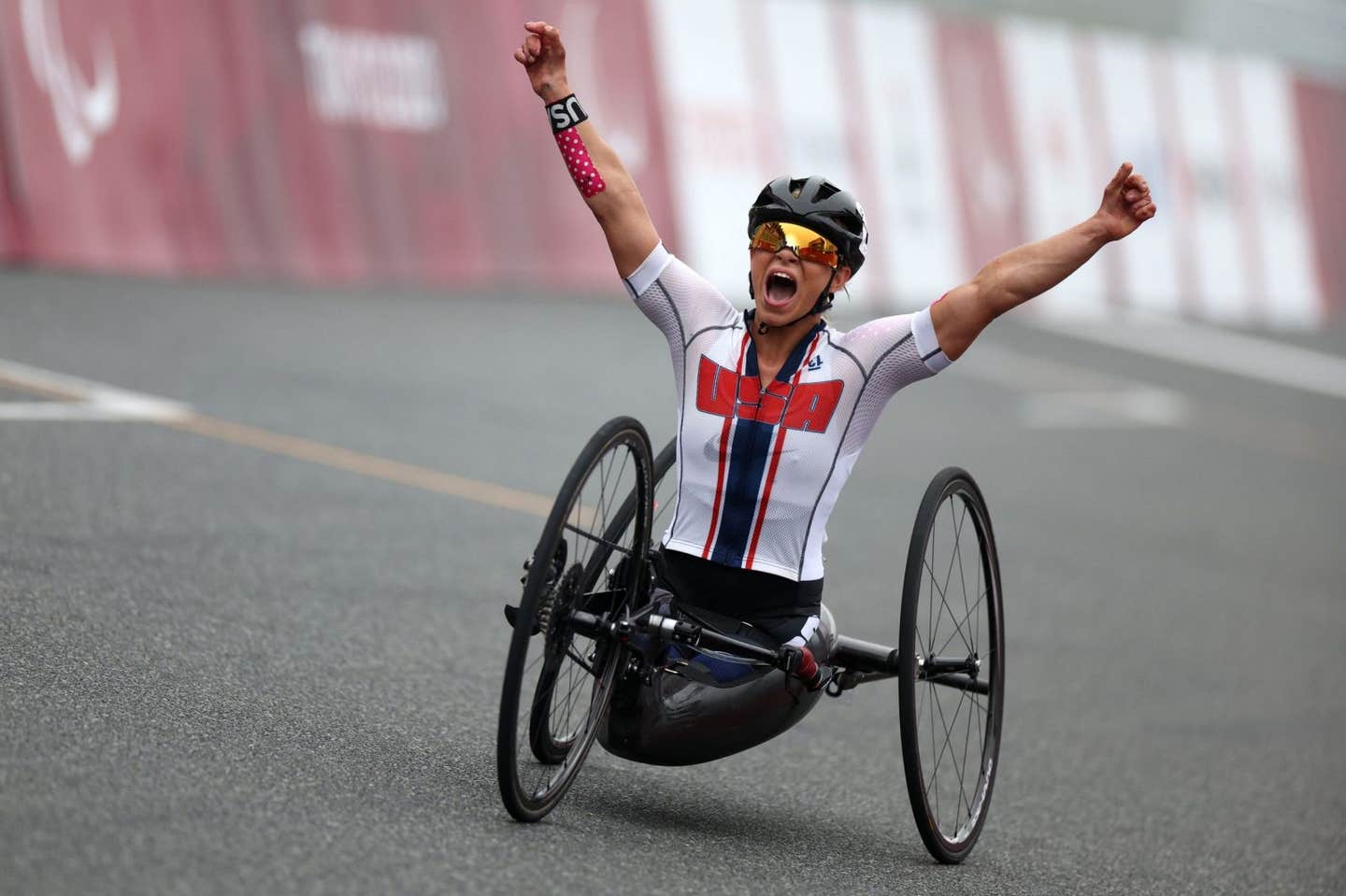
Tokyo expands Para sports access through facilities, education, and events, boosting participation and public awareness. (CREDIT: Wikimedia / CC BY-SA 4.0)
Along the edge of a polished court, wheelchairs sit side by side while office workers wait to take turns throwing balls. Similar scenes can now be found throughout the city of Tokyo as Para sports grow in popularity and acceptance throughout everyday life.
Local government officials established an ambitious goal: to increase the percentage of Tokyo residents with disabilities who participate in sports to 50% by the year 2030. Recent statistics show that there is increasing momentum behind this goal. As of 2021, approximately 35.4% of residents with disabilities in Tokyo were participating in weekly sports activities, compared to 32.4% of that same population in 2018.
In addition, there has been a positive increase in interest by other residents of Tokyo toward Para sports. The percentage of Tokyo residents who have expressed a desire to learn about Para sports increased from 43.6% in 2020 to 53% in 2021.
The positive progress toward achieving these goals is not due to random chance, but rather is the result of multiple coordinated efforts to enhance accessibility and visibility of Para sports throughout the city.
Infrastructure and Support Foster Participation
An example of the type of facility established as a part of this initiative is the recently opened Tokyo Metropolitan Para Sports Training Centre. This facility will provide beginner courses aimed at reducing the barriers for first-time participants. The design of the facility maximizes “barrier-free” accessibility for all residents with varying levels of mobility. Additionally, the City of Tokyo has taken steps to improve the human component of accessibility and support.
Training personnel have been urged to receive specific training to support attendance. Each sports club within the city holds workshops to assist participants in their integration of Para sports into existing programs.
The commitment and investment from the City of Tokyo in Para sports has provided a stronger support network for individuals interested in participating in regular sports. While physical facilities have always existed, behavioral changes related to active participation in sports generally occur when individuals feel comfortable and supported as they are engaging in activity with other participants.
It appears that city officials were aware of this fact early on. Team Beyond is one of the largest community programs promoting para-sport participation, and has got 372 not-for-profit organizations and over 1.35 million participants organized into teams that promote engagement and awareness for para-sports.
Boccia, a precision ball sport designed specifically for athletes who have physical disabilities, has emerged as an unexpected success story in Japan.
Competitive Sports Drive Engagement
The popularity of boccia has increased significantly, with the National Boccia Selection Koshien competition held annually in Tokyo bringing students from each of the special support schools around the country together to compete for the national title.
Boccia is not just popular among students; over 500 businesses are now participating in regular boccia competitions. This participation suggests that workplace recreation programs will be another way for people to enter into the culture of para-sport.
Para-badminton is also expanding in Tokyo with the support of the Tokyo Metropolitan Government. International wheelchair basketball tournaments held in Tokyo have attracted crowds of more than 20,000 spectators per event, indicating that more people are curious about adapting sports and that their perceptions of adaptive sports may be evolving.
It is important to have visibility. When there are filled seats at an event, there is usually an increase in media coverage about the event. This media attention may lead to increased participation in adaptive sports by inspiring potential athletes to pursue their dreams.
Education Programs Shape Long-Term Attitudes
The Tokyo 2020 Paralympic Games provided a unique opportunity to influence the younger generation through education programs developed for schools to instill the concept of inclusion in society. Students were able to learn about the technological advancements that exist in Para sports. They learned as well about the larger concept of how multiple types of individuals can come together and excel in sport and other areas.
Japan created its own version of the International Paralympic Committee’s educational program called I’mPOSSIBLE by tailoring the content for use in Japan’s schools. Approximately 36,000 public, private, and special needs institutions received the program.
By using this educational program, many students experienced new perspectives during their lessons. When students are exposed to these ideas at an early age, the development of their attitudes towards others will generally follow them throughout their lives. There have been ongoing efforts to promote Paralympic education in Japan since the end of the Tokyo Games.
Many surveys indicate that the Paralympic Games had a lasting psychological impact. Fieldwork done in November 2021 by Kyodo News, approximately two months following the conclusion of the Tokyo 2020 Paralympic Games, revealed that, out of the 45 prefectures surveyed in Japan, approximately 70% of respondents indicated that they have gained a greater understanding of their own disabilities as a result of the Tokyo 2020 Paralympic Games.
Media Coverage Reinforces Social Change
The results indicate that something more than just participation in sports took place. The results indicate that visibility and representation may have played a role in how people perceive themselves and how confident they are about being a part of society.
Since the Tokyo 2020 Paralympic Games, media coverage of Para sport events has been on the rise due to increasing attendance at these events across Japan. The increase in media coverage has introduced Para athletes and competitions to a larger audience.
Public awareness about these types of events is generally built on the concept of repetition. When an individual repeatedly views these types of competitions, the competitions begin to become familiar rather than something unusual. With familiarity comes the elimination of stigma. Over time, this change will help to increase both participation in Para sport events and public attitudes towards Para athletes.
The Tokyo 2020 Paralympic initiatives appear to be designed to create a feedback loop of events. The facilities provide the means for individuals to participate in Para sports. The events create the attraction of spectators. The media coverage gives awareness to a larger audience for athletes, coaches, and competitions. The educational programs provide younger generations with a new perspective on inclusion.
Sustaining Momentum Toward 2030
The facilities, events, media coverage, and educational programs are all connected and support one another.
Achieving the 2030 goal will require commitment and outreach to get the disabled population to use Para sports. This increase in disability participation will require improving access to facilities, providing inexpensive methods to participate in Para sports, and continually building interest in Para sports among the disabled population.
The original story "Inside Tokyo’s growing movement toward inclusive Para sports" is published in The Brighter Side of News.
Related Stories
- AI-powered shoe insoles revolutionize sports training and injury recovery
- Team sports linked to fewer mental health difficulties for kids
- What Olympic Coverage Reveals About Who Belongs in America
Like these kind of feel good stories? Get The Brighter Side of News' newsletter.