Mouth and gut bacteria may explain why peanut allergies vary so widely
A quiet but powerful process begins the moment food touches your mouth. Long before your immune system reacts, bacteria in your saliva and gut may already be shaping what happens…

 Edited By: Joseph Shavit

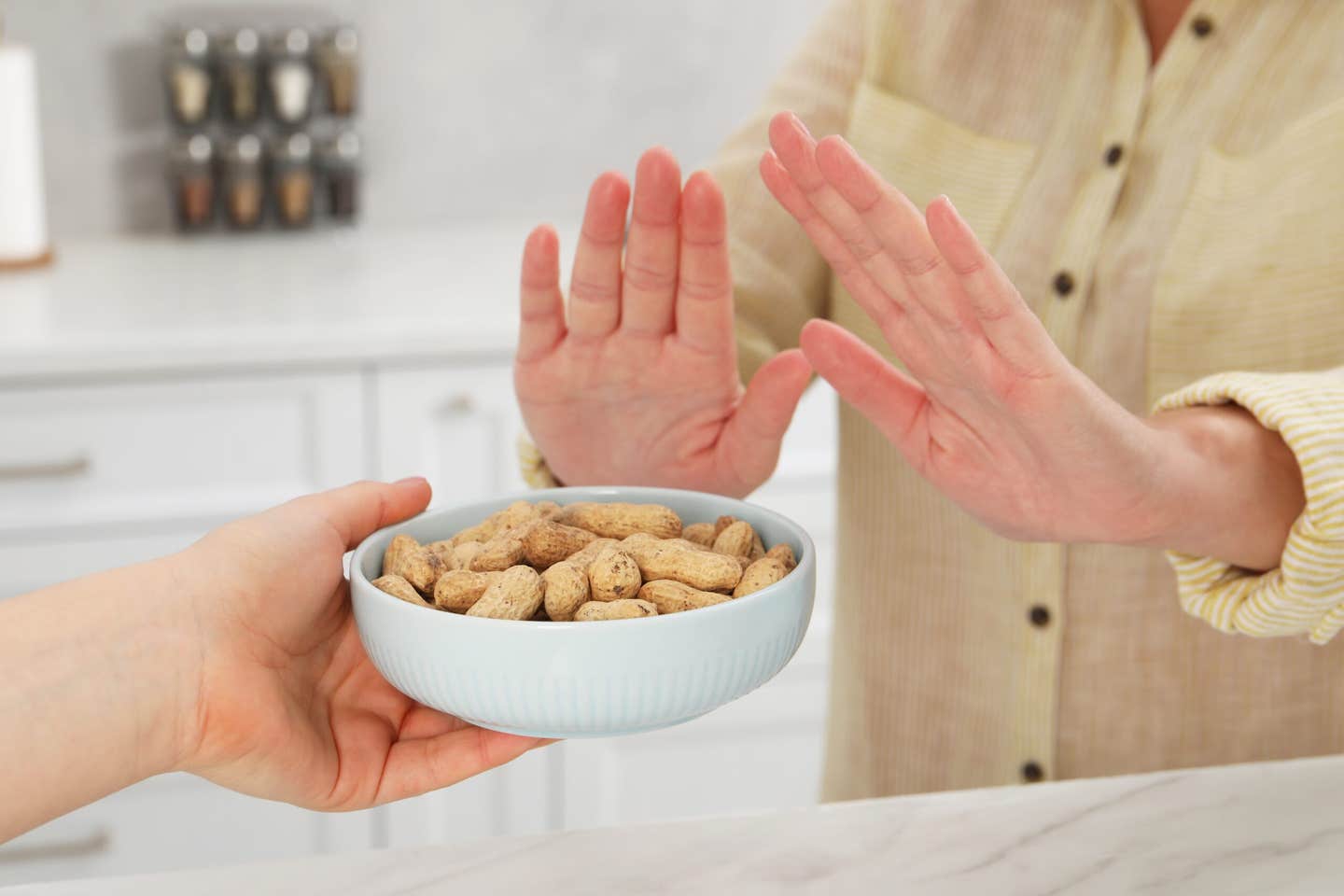
Scientists find that bacteria in your mouth and gut may shape how severely you react to peanuts by altering allergens before they reach your immune system. (CREDIT: Shutterstock)
A quiet but powerful process begins the moment food touches your mouth. Long before your immune system reacts, bacteria in your saliva and gut may already be shaping what happens next. For people with peanut allergies, that hidden step could mean the difference between a mild response and a life-threatening emergency.
A new study led by researchers at McMaster University, offers a striking explanation for a long-standing mystery. Two people can have similar levels of peanut-specific antibodies, yet react in very different ways. Scientists now suggest the answer may lie in the microbes living in your mouth and digestive system.
“Peanut allergies can cause serious reactions like difficulty breathing, and in some cases, can even be life threatening. However, some people with peanut allergies can still eat small amounts without having a reaction. We were curious about why this happens, and we discovered the answer while studying the microbes in our mouth,” said Liam Rondeau, a postdoctoral fellow with McMaster University’s Farncombe Family Digestive Health Research Institute.
A Hidden Factor In Allergic Reactions
Peanut allergy remains one of the most common and dangerous food allergies. In Canada, about one in two households are affected by food allergies. For children, peanuts are the leading cause of allergy-related deaths. Despite strict avoidance, accidental exposure happens often. About one-third of affected children experience at least one accidental reaction each year.
Doctors have long relied on immunoglobulin E, or IgE, to assess allergy risk. These antibodies bind to peanut proteins and trigger immune cells to release chemicals that cause symptoms. These symptoms can escalate quickly, leading to anaphylaxis.
Yet IgE levels alone fail to tell the full story. Some people with high levels tolerate small amounts of peanut. Others with similar levels face severe reactions almost immediately. This gap has puzzled researchers for years.
The new study points to a missing piece. The microbes in your mouth and gut may break down peanut proteins before they reach your immune system. That breakdown may change how strongly your body reacts.
Bacteria That Quiet the Threat
The research team examined saliva and upper gut samples from healthy volunteers. They identified several types of bacteria that can break down key peanut allergens. Among them, Rothia species stood out for their strong effect.
These bacteria did more than digest peanut proteins. They reduced the ability of those proteins to bind to IgE antibodies. That binding step triggers allergic reactions. By weakening it, the bacteria may lower the chance of severe symptoms.
Researchers also studied people with peanut allergies. They found that those with higher levels of allergen-degrading bacteria could tolerate more peanut before reacting. This suggests that the microbiome plays a direct role in how the body handles exposure.
“Microbes in the mouth and gut play an important role in digestion. In our study, we found evidence that some of these microbes may help break down peanut components in ways that could influence allergic responses. These findings point to a newly identified pathway linking the oral and gut microbiome with food allergy, and they may help guide future work on prediction and treatment,” said co-senior author Alberto Caminero Fenandez, associate professor with McMaster’s Department of Medicine.
What Happens Before the Immune System Responds
Food does not go straight from your plate to your bloodstream. It passes through layers of processing. Your saliva begins digestion. Your stomach and intestines continue the process. Along the way, microbes interact with what you eat.
In this study, scientists showed that some bacteria start breaking down peanut allergens almost immediately. That early breakdown can change the structure of the proteins. When proteins lose their original shape, they may not trigger the immune system as strongly.
The team found that Rothia species could significantly weaken peanut allergens. These changes reduced IgE binding and lowered activation of immune cells that drive allergic reactions.
In pre-clinical experiments, this effect became even clearer. When peanut proteins were processed by these bacteria, fewer allergens reached the bloodstream. At the same time, immune cells linked to anaphylaxis became less active. The result was a milder allergic response.
This suggests that the microbiome acts as a first line of defense. It may reduce the strength of allergens before the immune system even detects them.
Evidence From Children With Peanut Allergy
To strengthen their findings, researchers examined a group of children with peanut allergies. Each child underwent controlled testing to measure how much peanut they could tolerate before reacting.
The results showed a clear pattern. Children who tolerated higher amounts of peanut had more bacteria capable of breaking down allergens. In particular, Rothia species appeared more often in those with higher reaction thresholds.
The team confirmed this trend in a larger external dataset of 120 children. In that group, Rothia was significantly more abundant in children who either did not have peanut allergies or could tolerate higher doses.
These findings suggest that microbial composition may help predict how severe a person’s allergy could be. It also raises the possibility that adjusting the microbiome could influence outcomes.
A Shift In How Scientists View Allergy
This research introduces a new way to think about food allergies. Instead of focusing only on the immune system, it highlights the role of digestion and microbial activity.
The microbiome acts like a filter. It can change the form and amount of allergen that reaches the immune system. If that filter works well, the body may face a smaller threat. If it does not, more intact allergen can trigger a stronger response.
Still, the process is complex. Not all bacteria behave the same way. Some strains break down allergens effectively. Others do not. In some cases, incomplete digestion could even allow allergens to pass more easily into the bloodstream.
This means that microbial effects depend on the balance of species present. A healthy mix may protect against severe reactions. An imbalanced one may increase risk.
A Step Toward New Treatments
For now, strict avoidance remains the main strategy for managing peanut allergy. There is no cure. However, the findings open new paths for research and treatment.
Scientists now see potential in developing microbial therapies. These could include probiotics designed to boost beneficial bacteria. They may also improve oral immunotherapy, a treatment that gradually increases tolerance to allergens.
The study also suggests a future where doctors could better predict risk. By analyzing a person’s microbiome, they may estimate how severe a reaction could be. This could lead to more personalized care.
The work remains early, but it offers a hopeful direction. It shows that the body’s smallest residents may hold important clues for managing one of its most dangerous responses.
Practical Implications of the Research
This study could reshape how doctors approach food allergies in the future. By understanding how bacteria influence allergen breakdown, researchers may develop new ways to reduce reaction severity. Microbial therapies, such as targeted probiotics, could help increase the presence of beneficial bacteria like Rothia. This may raise the amount of allergen a person can tolerate safely.
The findings may also improve diagnostic tools. Instead of relying only on IgE levels, doctors could examine a patient’s microbiome to better predict risk. This could lead to more personalized treatment plans and improved safety for patients.
For researchers, the study opens a new field of investigation. It connects microbiology with immunology in a direct and measurable way. Future studies may explore how diet, antibiotics, and lifestyle affect these bacteria and, in turn, allergy outcomes.
In the long term, this research may reduce the number of severe allergic reactions and improve quality of life for millions of people. It offers a new layer of understanding and a new path toward safer, more effective care.
Research findings are available online in the journal Cell Host & Microbe.
The original story "Mouth and gut bacteria may explain why peanut allergies vary so widely" is published in The Brighter Side of News.
Related Stories
- Eating peanut butter builds muscle power in older adults, study finds
- Children only need small daily doses of peanuts to gain protection, study finds
- Scientists just built a laser entirely out of peanuts and birch leaves
Like these kind of feel good stories? Get The Brighter Side of News' newsletter.
Rebecca Shavit
Writer
Based in Los Angeles, Rebecca Shavit is a dedicated science and technology journalist who writes for The Brighter Side of News, an online publication committed to highlighting positive and transformative stories from around the world. Her reporting spans a wide range of topics, from cutting-edge medical breakthroughs to historical discoveries and innovations. With a keen ability to translate complex concepts into engaging and accessible stories, she makes science and innovation relatable to a broad audience.