NBA study finds the pay gap inside a team can quietly undermine performance
Salary gaps among core team members can hurt cooperation and performance, according to new research.

 Edited By: Joseph Shavit

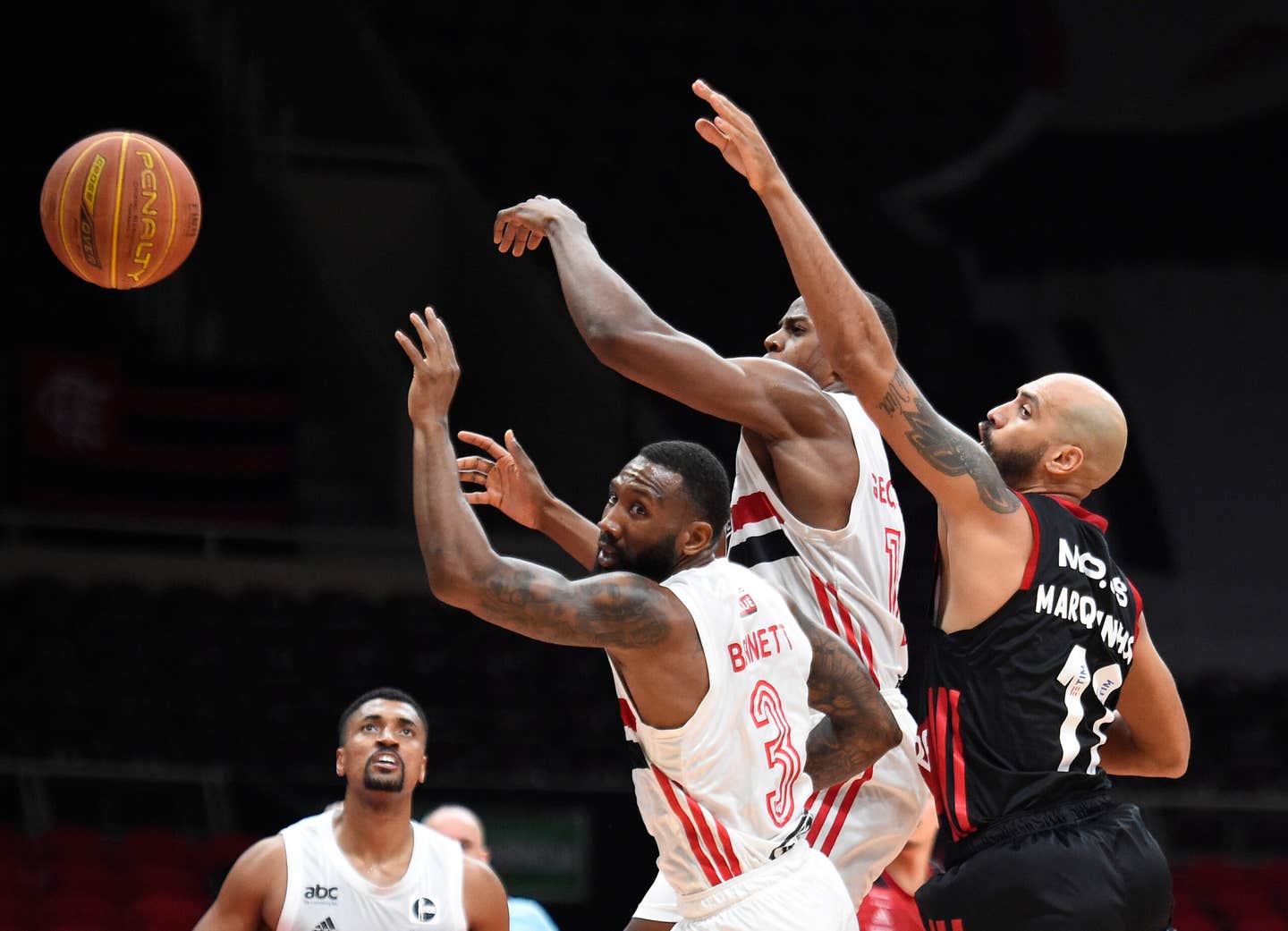
NBA data shows unfair pay among key teammates reduces cooperation and wins, with lessons for workplaces. (CREDIT: Shutterstock)
A locker room can look united from the outside. Players wear the same jerseys, run the same plays, and share the same goals. Yet beneath that surface, differences in pay can shift how people cooperate, especially when the gaps exist among the teammates who matter most.
That dynamic sits at the center of new research examining how compensation differences influence team success. The study draws on professional basketball data but points toward lessons that extend far beyond sports arenas.
“If the variability in pay is based on variability in performance, there’s no reason for anyone to feel there is unfairness,” said Jeremy Beus, a professor in the Department of Management, Information Systems, and Entrepreneurship in Washington State University’s Carson College of Business. “If LeBron James makes more than me as a guy on the bench, I obviously expect that.”
Problems emerged when the gaps appeared among a team’s central players.
The research, published in the journal Human Performance, found that National Basketball Association teams with larger salary differences among their core contributors tended to win fewer games. The decline was not tied to effort levels, cooperation and coordination.
“For a team, it’s more than just effort, it’s also coordination, which includes effort but it has to be coordinated effort,” Beus said. “Merely working hard does not necessarily help the team. It needs to be coordinated effort.”
Why fairness matters most among central contributors
Beus worked with co-authors Shaun Parkinson, now an assistant professor at New Mexico State University, and Jay Bates of Rutgers University. Both earned their doctoral degrees at Washington State University.
Their work focuses on what researchers call a team’s “strategic core.” These are the members who play the biggest roles in problem-solving, communication, and task coordination. In many organizations, they are also the people whose actions shape outcomes for everyone else.
The authors argue that compensation differences within this group carry unusual weight. When central contributors feel underpaid compared with peers who perform similar roles, perceptions of unfairness can spread quickly. Those perceptions may influence trust, communication quality, and willingness to collaborate.
The idea draws on equity theory, a long-standing framework in psychology. The theory suggests people compare what they contribute with what they receive, then evaluate that balance against others around them. When those comparisons feel unfair, individuals often experience tension that can lead to disengagement or reduced cooperation.
In teams where members depend heavily on each other, those reactions do not stay isolated. They ripple across the group.
Testing the idea with NBA data
Professional basketball offers an unusually rich environment for studying compensation and performance. Salaries are public, statistics are precise, and teamwork is essential. The researchers analyzed NBA data spanning the 2009–2010 through 2019–2020 seasons.
They defined each team’s strategic core as the five players who logged the most minutes. Team success was measured through winning percentage. To capture collective effort, the authors examined rebounding and the recovery of loose balls. Defensive rating served as an indicator of cooperation and coordination.
After controlling for factors such as total payroll, talent levels, and team characteristics, a pattern emerged. Teams with greater pay inequity among core players tended to perform worse. The relationship appeared primarily through coordination measures rather than simple effort.
There was no clear link between collective effort alone and performance outcomes.
That distinction matters. A player can work intensely yet still disrupt team functioning if actions are out of sync with teammates. Coordination, not just effort, determines whether individual work translates into group success.
Not all pay gaps carry the same risk
The findings also help explain why previous research on pay differences has produced mixed results. Some theories suggest large pay gaps motivate competition and attract top talent. Others argue inequality damages morale and collaboration.
This study suggests both views can be true depending on context.
Pay differences among peripheral team members had weaker relationships with performance. Those players have less influence on coordination, so inequity among them creates smaller ripple effects.
Alignment between pay and contribution also mattered. When compensation differences reflected clear performance differences, negative consequences were less pronounced. Perceived fairness, rather than inequality itself, appeared to drive outcomes.
Beyond sports: workplace parallels
Although professional athletes operate in a unique environment, the researchers point to clear organizational parallels. One example involves salary compression, a situation common in tight labor markets. Companies may raise pay to attract new hires while long-time employees receive smaller increases, leaving experienced workers feeling undervalued.
“Think about how you’re paying people,” Beus said. “If you don’t address salary compression, then you may have discontent and people may be more inclined to leave.”
The broader implication is that organizations should pay close attention to compensation relationships among employees who coordinate work and influence outcomes. Simply increasing budgets does not guarantee better results if fairness perceptions deteriorate.
Transparency may help. When employees understand why differences exist, perceptions of inequity may weaken. Compensation structures that reward collective performance could also support cooperation among central contributors.
Limits and open questions
The authors acknowledge several limitations. The study relies on observational data, which means causal relationships cannot be confirmed with complete certainty. Professional sports also differ from many workplaces in incentives, visibility, and contractual structures.
Identifying a strategic core involves assumptions about influence and centrality as well. Different measures could produce somewhat different classifications.
Still, the longitudinal data and statistical controls strengthen confidence in the patterns observed. The research also highlights new directions for future studies, including examining corporate teams, measuring trust directly, and exploring how leadership shapes responses to pay differences.
One sentence stood out across the findings: cooperation depends on fairness among the people who matter most.
Practical implications of the research
The study suggests that organizations should focus first on fairness among employees who coordinate work, solve complex problems, and influence others. Pay inequity in these roles may cause disproportionate harm to performance.
Managers may benefit from reviewing compensation structures for alignment with contribution, especially within leadership or high-impact teams. Clear communication about how pay decisions are made could reduce misunderstandings. Team-based incentives that emphasize shared success may also strengthen cooperation.
In short, money alone does not drive results. How compensation is distributed within a team, particularly among its central members, can shape whether talent works together smoothly or pulls apart.
Research findings are available online in the journal Human Performance.
The original story "NBA study finds the pay gap inside a team can quietly undermine performance" is published in The Brighter Side of News.
Related Stories
- 'Your heart smiles': Friends cheer on 7-year-old until he makes a shot on the basketball court
- Tokyo Olympics showcases robot basketball player -drains threes and half-court bombs
- Team sports linked to fewer mental health difficulties for kids
Like these kind of feel good stories? Get The Brighter Side of News' newsletter.