Neighborhood trees linked to lower rates of heart disease, study finds
New research shows that city streets lined with trees may lower heart disease risk, while grassy areas may do the opposite.

 Edited By: Joseph Shavit

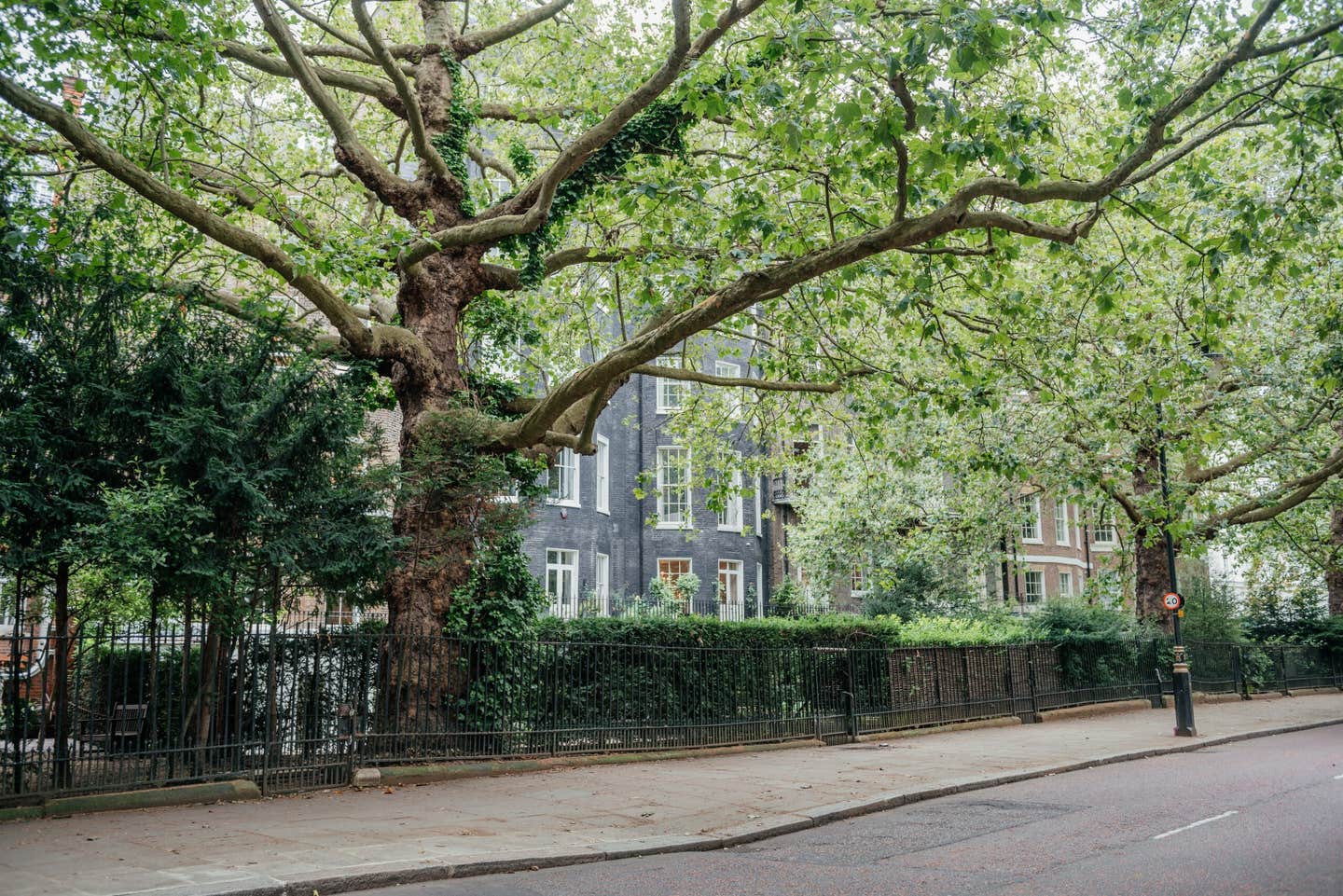
A large study finds city trees linked to lower heart disease risk, while grass and shrubs show higher risk. (CREDIT: Shutterstock)
Living in a city means constant exposure to traffic, noise, crowds, and concrete. But what you see outside your front door may quietly shape your heart health over time. New research suggests that the kind of greenery lining your street matters more than you might think.
A large study led by the University of California, Davis, found that city neighborhoods with more visible trees were linked to lower rates of heart disease. Areas dominated by grass or shrubs showed the opposite pattern. The findings add a surprising layer to what science knows about green space and health.
Cardiovascular disease remains the leading cause of death in the United States. In 2023 alone, it claimed more than 900,000 lives, according to the Centers for Disease Control and Prevention. That toll equals roughly one in three deaths nationwide. Any factor that shifts risk, even slightly, carries real weight.
What You See On Your Street Matters
You may assume that any patch of green helps your health. The new research challenges that idea. Scientists found that neighborhoods with more visible tree cover were linked to a 4 percent lower risk of cardiovascular disease. In contrast, areas with more grass showed a 6 percent higher risk. Other green plants, such as bushes and shrubs, were tied to a 3 percent increase.
“Our findings suggest public health interventions should prioritize the preservation and planting of tree canopies in neighborhoods,” said Peter James, the study’s first author. He is an associate professor in the UC Davis Department of Public Health Sciences and director of the Center for Occupational and Environmental Health.
The results held steady even after accounting for income, population density, air pollution, and regional differences. That consistency suggests trees may play a unique role in shaping heart health.
A New Way to Measure Green Space
Past studies often relied on satellite images to measure greenery. Those images view cities from far above and group all vegetation together. That approach misses what people actually experience at eye level. This study took a different path.
Researchers analyzed more than 350 million street view images, many drawn from platforms like Google Street View. Advanced computer models sorted what appeared in each image, estimating how much of the scene was made up of trees, grass, or other plants.
“Satellite imagery has allowed for important new understandings about how the landscape, built and natural, can influence human health,” James said. “But because the view is from far above, it can mask differences that may be significant.”
Street-level images capture what a pedestrian sees while walking to work or standing outside a home. That daily exposure may influence stress, activity, and even air quality in ways satellites cannot detect.
Following Nearly Two Decades of Health Data
The team linked the image data to health records from nearly 89,000 women enrolled in the Nurses’ Health Study. The women lived across the United States and were followed for about 18 years. Researchers measured greenery within about 500 meters of each participant’s home. They then compared that information with medical records and death certificates to see who developed heart disease.
Cardiovascular disease includes conditions that affect the heart and blood vessels. These include heart attacks, strokes, heart failure, and problems with blood flow. Even small shifts in risk across a population can translate into thousands of lives.
Why Trees May Protect the Heart
The study did not pinpoint a single reason trees appear helpful. Several explanations are likely working together. Trees provide shade and reduce heat in cities. Lower temperatures ease strain on the heart. Trees also filter air pollution and dampen noise, both linked to cardiovascular stress. Shaded streets may also encourage walking, social connection, and outdoor time.
Grass, on the other hand, offers limited shade and cooling. It often requires frequent mowing, which can release air pollution and noise. Lawns may also rely on pesticides and fertilizers that affect environmental quality. The findings surprised the research team but underscored the need to break green space into meaningful categories.
A Shift in How Cities Think About Health
“This research opens a promising new avenue: improving cardiovascular health through community-level environmental changes rather than relying solely on individual lifestyle choices,” said Eric B. Rimm, a co-author of the study. Rimm is a professor of medicine at Harvard Medical School and of epidemiology and nutrition at the Harvard T.H. Chan School of Public Health.
“Heart disease has such an enormous impact that even small gains in prevention can make a meaningful difference,” he said.
The study suggests that urban forestry programs may deliver greater health benefits than grass-focused landscaping. Protecting mature trees may matter as much as planting new ones.
Limits and Next Steps
The research has limits. All participants were women, and most were white. That reduces how widely the results apply. The study also relied on home addresses, not workplaces or travel patterns. Street images captured a moment in time and could not see private yards.
Still, the scale of the data offers rare insight. Few studies combine millions of images with decades of health records. Future research may explore whether similar patterns appear in men, younger people, or rural areas. Scientists may also examine how specific tree species or planting designs affect health.
The findings suggest a shift in how communities approach public health. Urban planners and policymakers may prioritize trees over lawns when designing neighborhoods. Health systems may begin to view tree canopy as part of disease prevention.
For individuals, the research highlights how surroundings influence long-term health. Advocacy for tree protection may benefit not only the environment but also the heart.
For scientists, the study shows how modern tools can reveal hidden links between daily life and disease. Street-level data may shape future research on mental health, mobility, and aging.
Research findings are available online in the journal Environmental Epidemiology.
Related Stories
- Single protein is key to treating a deadly genetic heart disease targeting young athletes
- Genes and DNA reveal why heart disease risk is rising in Greenland
- Plant-based diet can prevent, reverse major form of heart disease, study finds
Like these kind of feel good stories? Get The Brighter Side of News' newsletter.
Mac Oliveau
Writer
Mac Oliveau is a Los Angeles–based science and technology journalist for The Brighter Side of News, an online publication focused on uplifting, transformative stories from around the globe. Passionate about spotlighting groundbreaking discoveries and innovations, Mac covers a broad spectrum of topics including medical breakthroughs, health and green tech. With a talent for making complex science clear and compelling, they connect readers to the advancements shaping a brighter, more hopeful future.