New discovery helps explain why HIV can return so quickly
New research shows active HIV reservoir cells persist during treatment, offering new targets for future therapies and cure strategies.

 Edited By: Joseph Shavit


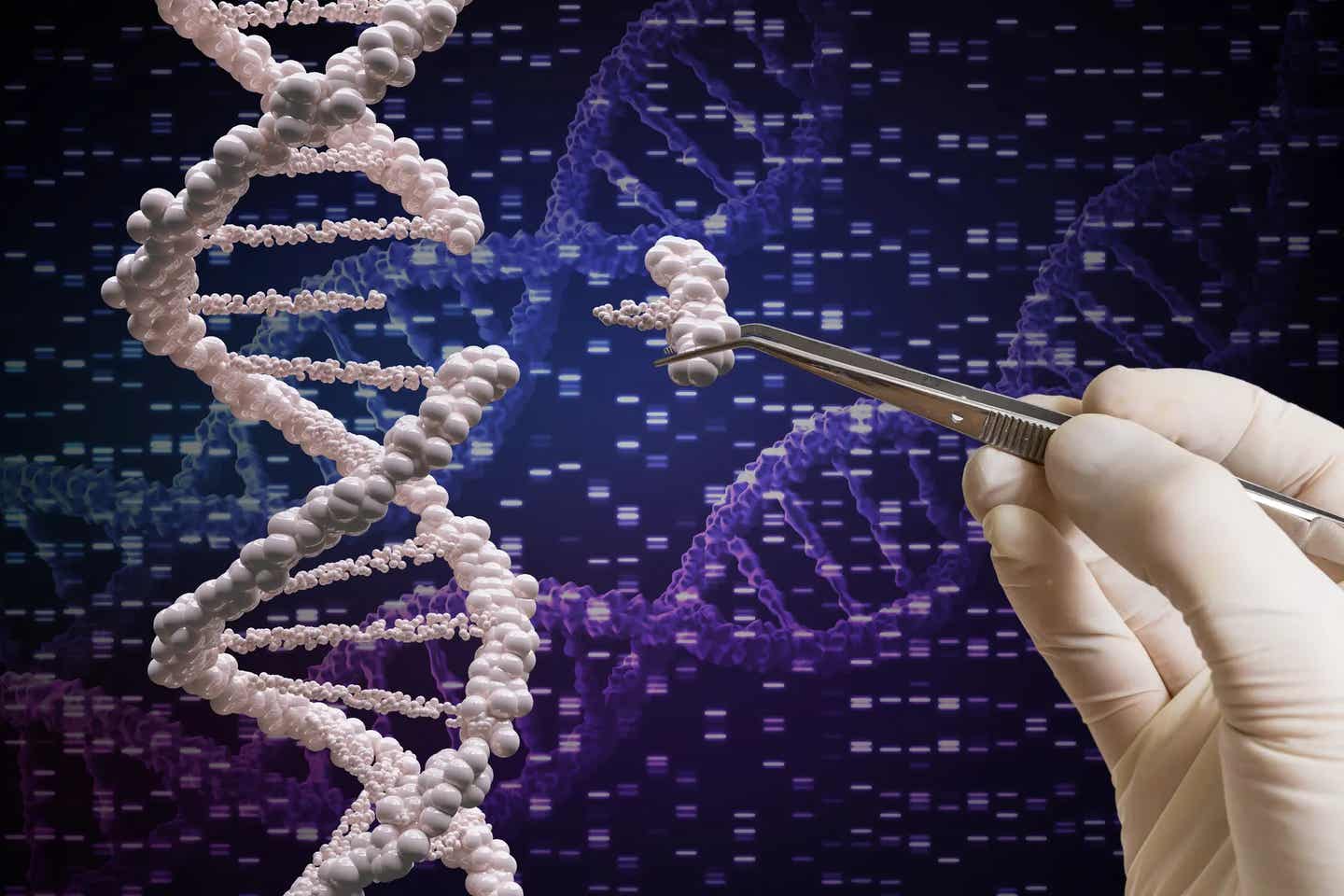
Scientists uncover active HIV-infected cells during treatment, using a new tool called HIV-seq to reveal how the virus persists. (CREDIT: Shutterstock)
A long-standing belief about HIV has quietly shaped how scientists think about the virus. For decades, researchers described the virus as hiding in a “latent reservoir,” a group of infected cells that stay silent during treatment. New research now challenges that idea, revealing a more active and complex picture inside the body.
For people living with human immunodeficiency virus, antiretroviral therapy has transformed the disease. These drugs stop the virus from making new copies, which prevents illness and reduces transmission. Yet even with treatment, HIV does not fully disappear.
“But notion that the entirety of the HIV reservoir is latent is actually a misleading description, because some reservoir cells can still be quite active,” said Nadia Roan, PhD, senior investigator at Gladstone Institutes. “Even though antiretroviral therapy keeps full-fledged HIV virus from being made, some of the infected cells continue spitting out viral products.”
That activity, though subtle, can have real consequences. Viral fragments remain in the body, which can drive chronic inflammation. Over time, that inflammation can contribute to organ damage and increase the risk of heart disease. It also means the virus can rebound quickly if treatment stops.
A Hidden Layer of Activity Inside HIV
Scientists have known for years that HIV persists in the body through infected immune cells. These cells can live for decades, even under treatment. The long-held assumption was that most of these cells remained completely inactive.
The new study shows that this view is incomplete. Some of these reservoir cells are not silent. Instead, they continue producing pieces of viral RNA, even when therapy suppresses full viral replication.
This discovery helps explain why HIV can return so quickly. It also explains why many patients still experience immune system activation despite effective treatment.
Understanding these active cells has been difficult. They are rare and hard to detect. Traditional methods often miss them, leaving scientists with only a partial view of the reservoir.
A New Tool To Find Elusive Cells
To solve this problem, researchers developed a new method called HIV-seq. This tool builds on single-cell RNA sequencing, which allows scientists to study gene activity in individual cells.
Standard sequencing methods rely on specific RNA features. Many HIV RNA fragments do not meet those criteria, which causes infected cells to slip through unnoticed.
“When single-cell RNA sequencing was applied to blood samples from patients on therapy, it oftentimes only detected one or two of these cells per person,” said Julie Frouard, PhD, a scientist in Roan’s Lab. “That’s not enough for a meaningful analysis.”
HIV-seq was designed to fix that gap. It uses targeted primers that recognize multiple regions of the HIV genome. This allows the method to capture viral RNA fragments that older tools miss.
“Pitting HIV-seq head-to-head with the standard approach, we recovered and analyzed more HIV-infected cells, and higher numbers of HIV RNA within those infected cells,” said Steven Yukl, MD, a physician-scientist at the San Francisco VA Medical Center. “Now, for the first time, we can actually characterize these cells in a meaningful manner for people whose HIV is suppressed by antiretroviral therapy.”
The improvement was striking. In untreated patients, the method identified more than 1,000 infected cells from four individuals. In patients on therapy, it detected 25 cells from three individuals. While still rare, these cells are now visible in a way they were not before.
Two Very Different Types of HIV-Infected Cells
With this clearer view, scientists found that HIV-infected cells behave very differently depending on treatment status.
In people who had not started therapy, infected cells showed strong inflammatory and aggressive features. These cells expressed proteins linked to killing other cells. They also had lower levels of genes that normally suppress HIV.
“In a general sense, I would say that these cells were rather inflammatory, or fiery,” Roan said.
These cells appear primed for viral production. They support active infection and rapid spread of the virus.
In contrast, infected cells from people on therapy looked very different. They were quieter and less inflammatory. They lacked the aggressive features seen in untreated infection.
Instead, these cells showed signs of long-term survival. They expressed genes that help them avoid cell death and persist for years. Some of these genes are already targets of ongoing clinical research.
“This is noteworthy because there is an ongoing clinical trial testing a drug targeting a pathway that HIV may use to preferentially promote survival of its host cell,” Yukl said. “Our data provide further support for that research.”
How HIV Adapts To Survive
The study reveals a striking shift in strategy. When untreated, HIV thrives in active, inflammatory cells. These cells help the virus spread quickly.
Under treatment, the virus adapts. It remains inside cells that are built to survive. These cells divide slowly and avoid detection by the immune system.
Researchers also found that these long-lived cells express proteins that suppress both HIV production and immune responses. This may help them stay hidden for years, even decades.
Other proteins linked to steady cell growth were also elevated. This suggests the virus may use the body’s own survival pathways to maintain its presence.
“We’re already building on some of our new findings by testing, in various laboratory models, whether we can stop HIV reservoir cells from multiplying by targeting these pro-survival pathways,” Roan said. “We hope this is just the beginning of all that could be discovered with HIV-seq.”
A New Understanding of HIV Persistence
These findings help explain a long-standing mystery. When patients stop treatment, the virus often returns within weeks. Scientists once believed this rebound came mainly from silent cells waking up.
The new evidence suggests active reservoir cells may also play a role. These cells are already producing viral material, which may allow the virus to restart more quickly.
The study also sheds light on chronic inflammation in treated patients. Even low levels of viral activity can keep the immune system on alert. Over time, this can lead to serious health problems.
By identifying these active cells, researchers now have a clearer target for future therapies. Instead of focusing only on silent cells, scientists can also study the active reservoir.
Practical Implications of the Research
This research could reshape how scientists approach HIV treatment and cure strategies. By revealing that some reservoir cells remain active, it opens new paths for targeting these cells directly. Therapies could be developed to block the production of viral fragments or eliminate cells that continue to produce them.
The discovery of survival pathways in these cells also provides new drug targets. If scientists can disrupt these pathways, they may be able to reduce the long-lived reservoir that allows HIV to persist. This could help delay or even prevent viral rebound when treatment stops.
For patients, this work may lead to treatments that reduce chronic inflammation and its long-term health effects. Lower inflammation could mean a reduced risk of heart disease and organ damage.
For the broader scientific community, HIV-seq offers a powerful new tool. It allows researchers to study rare infected cells with much greater precision. This could lead to deeper insights into how HIV behaves over time and how it interacts with the immune system.
In the long term, these advances bring researchers closer to a goal that has remained out of reach for decades, a true cure for HIV.
Research findings are available online in the journal Nature Communications.
The original story "New discovery helps explain why HIV can return so quickly" is published in The Brighter Side of News.
Related Stories
- Lifesaving new antibody blocks 98.5% of all known HIV strains
- Game-changing molecule turns HIV against itself to halt activity
- New portable testing device rapidly detects HIV and COVID-19 with high accuracy
Like these kind of feel good stories? Get The Brighter Side of News' newsletter.
Mac Oliveau
Writer
Mac Oliveau is a Los Angeles–based science and technology journalist for The Brighter Side of News, an online publication focused on uplifting, transformative stories from around the globe. Passionate about spotlighting groundbreaking discoveries and innovations, Mac covers a broad spectrum of topics including medical breakthroughs, health and green tech. With a talent for making complex science clear and compelling, they connect readers to the advancements shaping a brighter, more hopeful future.