Origami 3D printed belt uses AI to spot dangerous heart rhythms in real time
Reusable 3D printed electrodes and AI software turn a soft chest belt into a smart heart monitor for faster, cleaner arrhythmia checks.

 Edited By: Joseph Shavit

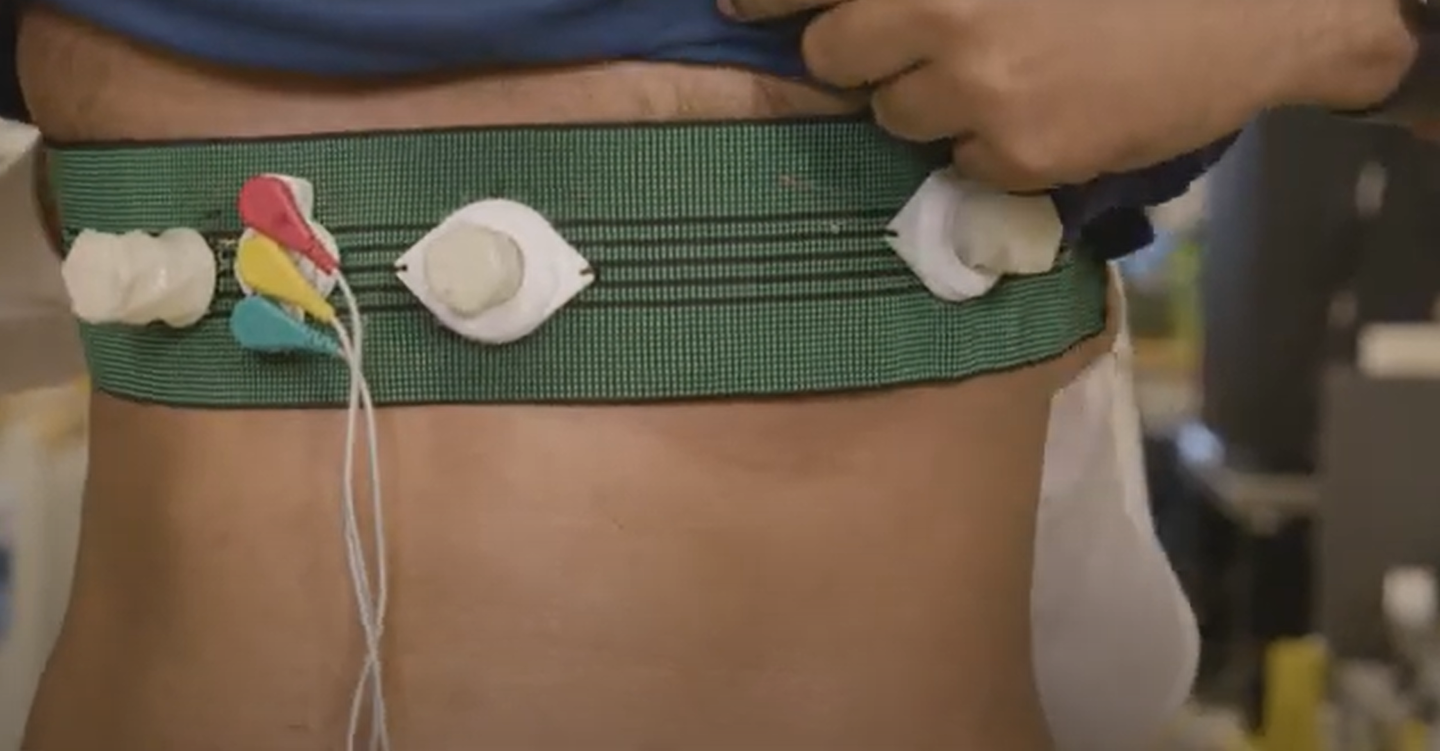
A team at Simon Fraser University has built a soft chest belt with 3D printed suction cup electrodes and built in AI that can pre diagnose 10 types of irregular heart rhythms, offering cleaner, faster monitoring in hospitals and remote communities. (CREDIT: Simon Fraser University)
Rising rates of heart rhythm problems are colliding with an aging population and crowded hospitals. At the same time, many people still rely on bulky monitors and sticky disposable patches to track their heart. A team at Simon Fraser University believes that can change with a soft, reusable belt that listens to your heartbeat and an artificial intelligence system that helps read it in real time.
A Softer Way to Track the Heart
Researchers in SFU’s School of Mechatronic Systems Engineering have built a new heart monitoring system that wraps around your chest like a flexible band. Instead of cold, sticky pads, the belt holds small 3D printed cups that fold in an origami inspired shape and attach with gentle suction.
Those cups act as “dry” electrodes. They use a carbon based ink, printed directly onto the plastic, to carry the heart’s electrical signals from your skin to a compact wearable device. There is no electrolyte gel to smear on and no disposable pads to peel off later.
“Current ECG testing relies on single use sticky patches and gel, which can dry out and fall off,” says Woo Soo Kim, a professor at SFU. “Our dry electrodes are just as accurate as gel based sensors, but they are more comfortable for patients and easier to use.”
Fixing Problems With Standard ECGs
If you have ever worn a hospital ECG or a Holter monitor, you know the routine. Nurses shave or clean small spots on your chest, place adhesive pads, add gel, and then connect wires. Over hours or days, patches can itch, shift, or fall off. Gel dries. Staff must replace supplies and later remove the sticky residue from your skin.
Each test also creates medical waste from single use pads, gels, and backing paper. After recording, a physician still has to review the data line by line. That takes time in systems already stretched thin.
The SFU belt is designed to skip many of these hassles. Because the dry electrodes do not rely on gel, nurses and patients do not have to worry about drying or mess. When a suction cup loses contact, you simply press it down again to restore the seal. The electrodes can be cleaned and reused, which cuts both cost and waste.
Built In Intelligence For Faster Answers
On top of the new hardware, the team added brainpower in the form of artificial intelligence. The wearable device linked to the belt runs built in software that can pre diagnose up to 10 common types of arrhythmias, or irregular heart rhythms.
“Most importantly, the AI algorithm can help doctors make faster, more accurate diagnoses,” Kim says. Test results can be sent electronically to physicians for confirmation instead of waiting for in person review of printed strips.
For patients, that speed can matter. One in three people worldwide will develop some kind of cardiac arrhythmia, according to the European Heart Rhythm Association. The most common disorder, atrial fibrillation, is on track to rise by more than 60% globally by 2050. Earlier detection can reduce the risk of stroke, heart failure, and emergency visits.
What Nurses Saw On the Front Line
To see how the system might work in real clinics, the researchers partnered with nurses from the cardiac monitoring unit at Vancouver General Hospital. In a study led by SFU postdoctoral researcher Yiting Chen and published in the journal Biosensors and Bioelectronics, the team tested the dry electrodes and belt design in real monitoring conditions.
Nurses reported that the belt could greatly improve comfort and compliance, especially during long term monitoring. Right now, many patients go home with Holter monitors that hang on straps, pull at wires, and snag on clothing. Pads may peel off during sleep or showering, forcing people to reattach them or even repeat tests.
With the origami shaped cups, staff did not need to juggle fresh patches and gel whenever one fell off. A simple press re created suction. That small change can make it much easier for you, or a caregiver, to manage your own device over days.
Reaching Remote Patients and Busy Wards
Kim and his colleagues see the system as more than a research prototype. They picture it as an eco friendly, user friendly tool for a wide range of settings, from hectic emergency rooms to quiet long term care homes.
The belt and device could also be a lifeline in rural or remote communities where access to cardiologists is limited. “It is important that diagnostic tools are affordable and easy to access,” Kim says. One goal is to deploy the technology in First Nations and remote communities.
In that setting, a person who needs monitoring could wear the belt at home and take their own measurements. The AI software would analyze the rhythm and flag potential problems. That early assessment could then be sent to a doctor elsewhere for a full diagnosis, saving long trips for simple checks and catching danger signs sooner.
What Comes Next For the Smart Belt
The SFU team is now working to refine the intelligence behind the device and shrink the hardware even further. They aim to improve the accuracy and reliability of the pre-diagnostic algorithm so it can better sort harmless irregular beats from those that need urgent care.
Engineers are also trying to make the 3D-printed origami electrode about one third of its current height. A slimmer profile would make the belt even less noticeable under clothing and more comfortable during sleep or daily activity.
Kim believes that this blend of reusable materials, 3D-printing, and AI points to a new generation of personalized heart monitoring, where you can check your heart health in many places, not just in a hospital bed.
Practical Implications of the Research
This new system could speed up heart care and widen who can receive it. Reusable dry electrodes and a soft belt may replace many single use patches, which reduces waste and cuts supply costs. That matters for hospitals under budget pressure and for a health system trying to lower its environmental footprint.
For patients, better comfort and ease of use mean you are more likely to complete long term monitoring, which improves the chance of detecting dangerous rhythms. Built in AI triage can help doctors focus on the most urgent cases first, while still reviewing every result.
In remote and underserved communities, a portable belt and smart device can bring specialist level monitoring closer to home. That can lower barriers for Indigenous communities, older adults, and people who cannot easily travel.
Finally, the work shows how 3D printing and machine learning can combine to create flexible medical tools that grow with future needs. As algorithms improve and components shrink, similar systems could track other vital signs or support at home care for many chronic conditions, helping people stay healthier and more independent.
Research findings are available online in the journal Biosensors and Bioelectronics.
Related Stories
- Real-time glucose and heart monitoring in a smart wearable device
- Scientists develop the first fully integrated wearable system for life-saving heart monitoring
- Breakthrough drug-delivery patch promotes regeneration of heart tissue
Like these kind of feel good stories? Get The Brighter Side of News' newsletter.
Shy Cohen
Writer