Researchers discover massive hydrogen system beneath the Pacific Ocean
A new study reveals a giant hydrogen producing system hidden beneath an ancient Pacific trench.

Scientists uncover a vast hydrogen rich geological system deep beneath the Pacific Ocean seafloor. (CREDIT: AI-generated image / The Brighter Side of News)
Far below the surface of the western Pacific Ocean, scientists have uncovered a geological system that reshapes how you may think about Earth’s hidden energy potential. Deep beneath thousands of meters of water, a massive network of ancient underground structures points to the presence of large amounts of natural hydrogen formed deep within the planet.
Hydrogen is the most common element in the solar system and a promising clean fuel. Yet on Earth, large natural stores have been difficult to find. Most hydrogen used today is produced through industrial methods that rely on fossil fuels. This new discovery suggests the planet itself may generate far more hydrogen than once believed.
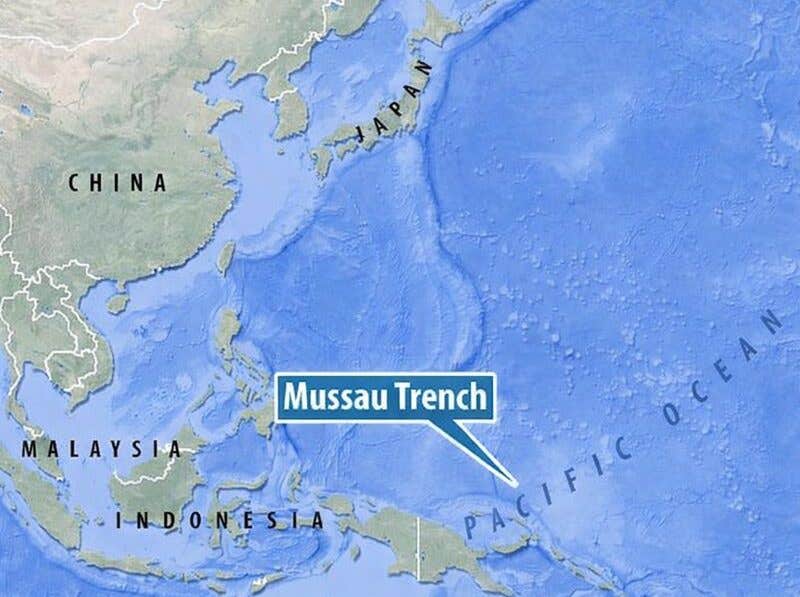
Researchers from the Institute of Oceanology of the Chinese Academy of Sciences, working with international collaborators, identified the system on the east Caroline Plate, west of the Mussau Trench. The team analyzed a vast group of underground formations that show clear signs of intense hydrogen driven activity in the distant past.
An Ancient Trench with New Secrets
The Mussau Trench is not active today. It began forming about 25 million years ago and has long since stopped moving. Despite this quiet history, the seafloor nearby holds dramatic clues of powerful forces that once shaped the region.
The scientists discovered a cluster of huge cylindrical structures known as breccia pipes. They named the formation the Kunlun pipe swarm. Each pipe measures between 450 and 1,800 meters wide, making them some of the largest known structures of their kind beneath the ocean.
These pipes are filled with broken rock fragments, showing signs of violent formation. Their steep walls and layered shapes resemble kimberlite pipes found on land, which are created by explosive geological events. Several smaller bowl shaped craters sit within the larger pipes, suggesting repeated bursts of energy over time.
Based on energy estimates, forming structures this large would require explosive force equal to millions of tons of TNT. Scientists believe hydrogen provided that power.
Traces of a Hydrogen Driven System
The team also found clear evidence of hydrothermal activity tied to hydrogen rich fluids. Hydrothermal fluids are hot mixtures of water and minerals that rise through cracks in the Earth’s crust. In the Kunlun pipes, these fluids once sprayed through tiny channels along pipe walls and through cracks in rock piles.
Many of the rocks show yellowish coloring, likely caused by microbial mats. These mats are layers of microorganisms that thrive in chemically rich environments. Their presence suggests the system supported life fueled by chemical energy rather than sunlight.
Hydrothermal life was not limited to microbes. Researchers observed entire biological communities near the pipes. Scorpionfish, which sit at the top of the local food chain, were common. Because predators need a large food supply, scientists believe extensive microbial growth exists within the rock piles at the base of the pipes, even if much of it remains hidden.
Seismic Signals Point to Gas Movement
The discovery did not rely on visual evidence alone. Over 28 days, researchers recorded more than 800 small earthquakes along a 150 kilometer stretch crossing the trench. These short seismic events point to ongoing gas movement beneath the seafloor.
Chemical testing of hydrothermal fluids added another clue. Nitrogen isotope analysis showed a strong atmospheric gas component, meaning gases from the surface likely mixed with hydrogen rising from deep within the Earth.
Unlike previously known hydrogen rich systems, this one sits far from active plate boundaries. Most similar discoveries occurred near spreading ridges or active faults, such as the well known Lost City hydrothermal field. Kunlun lies about 80 kilometers from active plate margins, showing that hydrogen formation does not require ongoing tectonic motion.
Why Hydrogen Fits the Evidence
Hydrogen can store and release enormous energy under pressure. Scientists calculated that one ton of hydrogen expanding rapidly from deep pressure levels to seafloor pressure could release energy equal to 0.21 tons of TNT. If hydrogen reacted with oxygen, the energy release would be even greater, about 150 times stronger than simple expansion.
Such power matches what would be needed to blast out pipes of this scale. According to Prof. XIAO Yuanyuan, first author of the study, the results suggest a vast amount of hydrogen formed deep in the oceanic mantle and later escaped upward. “It could be economically mineable in the future,” XIAO said.
The hydrogen likely formed through reactions between seawater and mantle rocks, a process that produces both heat and hydrogen gas. Over time, pressure built until sudden releases carved out the pipes now seen on the seafloor.
Rethinking Earth’s Hidden Resources
This discovery changes how scientists view Earth’s natural hydrogen cycle. It shows that large hydrogen systems can form far from volcanic hotspots and remain hidden for millions of years. It also raises questions about how many similar systems exist elsewhere beneath the oceans.
For now, the Kunlun pipe swarm offers a rare window into deep Earth chemistry. It also shows how powerful chemical reactions can shape geology, ecosystems, and possibly future energy options.
Practical Implications of the Research
This research expands understanding of how hydrogen forms and moves inside Earth. It may guide future studies searching for natural hydrogen resources on land and under the sea.
While deep ocean mining is not currently practical, the findings could influence long term clean energy research.
Understanding these systems also helps scientists better model Earth’s geology, gas cycles, and deep life ecosystems, benefiting both environmental science and future energy planning.
Research findings are available online in the journal Science Advances.
Related Stories
- Oceans in the fire: How magma and hydrogen forge massive quantities of planetary water
- Scientists discovered a massive hydrothermal world hidden beneath the Pacific Ocean
- Vast white hydrogen reserve discovered hidden beneath the Earth's surface
Like these kind of feel good stories? Get The Brighter Side of News' newsletter.

Shy Cohen
Writer