Scientists reveal the hidden dangers of plastic pollution to marine life
New research reveals where plastic pollution poses the greatest danger to ocean life worldwide.

 Edited By: Joseph Shavit

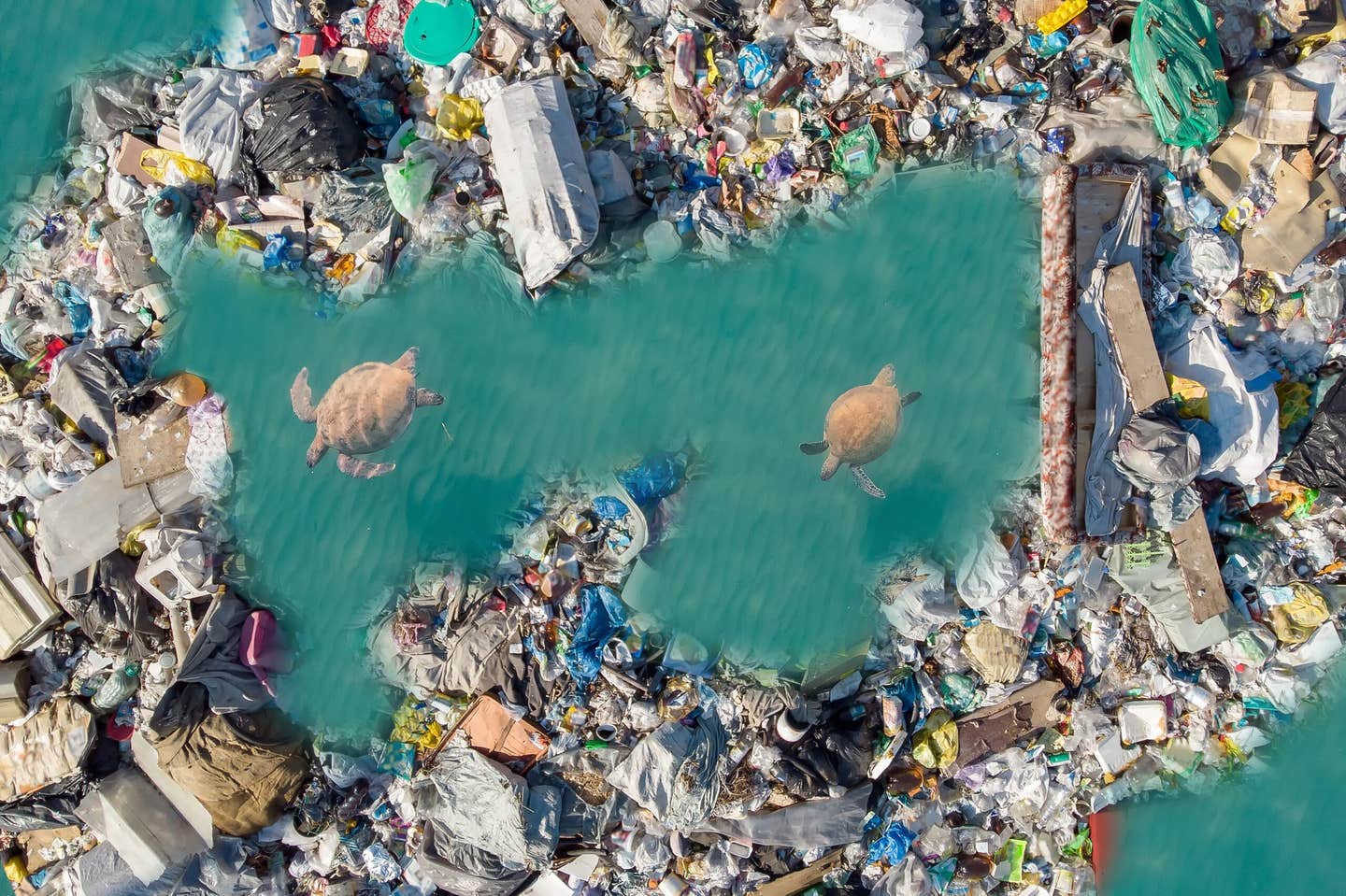
A sweeping global study shows plastic pollution threatens ocean life in complex and often hidden ways. (CREDIT: Shutterstock)
Plastic waste has quietly reshaped the oceans you depend on, and a new global study from Tulane University shows the danger runs deeper than floating bottles and bags. Scientists have now mapped where plastic pollution poses the greatest risk to marine life, and the findings reveal a complex web of harm that reaches far beyond what the eye can see.
This research marks the first worldwide effort to measure ecological risk from plastic by combining several threats into one picture. Instead of only counting plastic pieces, the study looks at how debris interacts with ocean animals, chemical pollution, and entire ecosystems. The results offer a sharper view of where marine life faces the greatest danger and why some areas suffer more than others.
What emerges is unsettling. Even regions that appear clean on the surface can hide serious risks below. Tiny plastic fragments and toxic chemicals often overlap with rich habitats and food sources, putting fish, seabirds, and marine mammals at risk. Earlier maps focused on large garbage patches, but this new work digs deeper, identifying danger zones that had been overlooked.
Researchers say this broader approach can help guide smarter conservation efforts and support stronger global action to curb plastic waste before the damage grows worse.
How Plastic Enters the Food Web
One of the most common ways plastic harms ocean life is through ingestion. Many sea creatures mistake plastic for food. Small fragments can resemble plankton, while larger pieces may look like prey. Once swallowed, plastic can block digestion, reduce appetite, or carry harmful chemicals into the body.
The study shows ingestion risk changes depending on where animals live and how large they are. Areas with dense marine life face higher danger, even if plastic levels are moderate. When many organisms share the same space, plastic moves more easily through the food web, passing from smaller species to larger ones.
Entanglement adds another layer of harm. Turtles, seals, whales, and seabirds can become trapped in discarded fishing lines, nets, and packaging loops. These encounters often lead to injury or death. The research highlights coastal regions as major hotspots for entanglement, especially where fishing activity is heavy. In these places, risk stays high even when plastic levels seem lower.
Chemical exposure makes the threat even more serious. Plastics attract pollutants already in the water, acting like magnets for toxic substances. Two chemicals stood out in the study: methylmercury and PFOS. Both can stick to plastic surfaces and travel long distances, spreading contamination across the ocean.
Toxic Chemicals Ride on Plastic
Once plastic absorbs harmful chemicals, it becomes a delivery system for pollution. When animals eat or brush against contaminated plastic, those chemicals can enter their bodies. The study found that PFOS and methylmercury are unevenly distributed across the globe, with high levels along parts of Asia’s coastline and sections of the Atlantic and Indian Oceans.
Plastic also releases its own chemicals as it breaks down. Additives such as bisphenol A and phthalates can leak into the water. These substances have been linked to growth and reproductive problems in marine organisms. The research shows that chemical release risk peaks in parts of the North Pacific, Atlantic, and northern Indian Oceans, regions that support major fisheries and large ecosystems.
These overlapping threats mean plastic pollution is never just one problem. Physical harm, toxic exposure, and ecosystem stress often occur together, making recovery harder for marine life.
A Global Map of Overlapping Risks
To capture this complexity, scientists created global risk maps that combine plastic movement, marine life data, and chemical pollution. They developed risk scores that reflect how ingestion, entanglement, and toxicity stack together in different regions.
The maps reveal that open ocean areas, once thought to be safer, can still pose serious danger. In places with high biological activity, even small amounts of plastic increase risk. Near heavily populated or industrial regions, plastics carry higher chemical loads, raising the chance that toxins will enter the food chain.
This approach changes how plastic pollution is understood. It is not just about where trash collects, but where multiple threats collide.
What the Future Could Bring
The study also looks ahead. Using projections through 2060, researchers examined how risk could grow under different pollution scenarios. If plastic waste continues to rise, some regions could see ingestion and toxicity risks more than triple. Marine ecosystems already under strain would face even greater pressure.
Stronger action could change that path. Reducing plastic emissions and improving waste systems would cut both debris and chemical spread. Targeted efforts in high risk regions could protect vulnerable species and ecosystems before damage becomes irreversible.
Scientists stress that solutions must match the problem’s complexity. That means reducing single use plastics, improving waste handling, cleaning coastal pollution sources, and protecting areas where threats overlap.
Plastic pollution is not a single issue with a quick fix. It is a network of problems tied to how people produce, use, and discard plastic every day.
Practical Implications of the Research
This research gives policymakers and scientists a clearer guide for action. By identifying where and how plastic causes the most harm, efforts can focus on the most vulnerable regions and species.
It supports stronger international agreements on plastic reduction and helps shape smarter cleanup and prevention strategies.
In the long run, protecting marine ecosystems also protects food supplies, coastal jobs, and ocean health for future generations.
Research findings are available online in the journal Nature.
Related Stories
- Artificial light pollution emerges as a major climate threat
- Utah teens create award-winning invention to solve microplastic pollution
- Rising temperatures and widespread pollution are making glaciers melt at record rates, study finds
Like these kind of feel good stories? Get The Brighter Side of News' newsletter.
Rebecca Shavit
Writer
Based in Los Angeles, Rebecca Shavit is a dedicated science and technology journalist who writes for The Brighter Side of News, an online publication committed to highlighting positive and transformative stories from around the world. Her reporting spans a wide range of topics, from cutting-edge medical breakthroughs to historical discoveries and innovations. With a keen ability to translate complex concepts into engaging and accessible stories, she makes science and innovation relatable to a broad audience.