Smarter farming could pull billions of tons of carbon from the air
New research shows how smarter farming and synthetic biology could turn global croplands into a major climate change solution.

 Edited By: Joseph Shavit

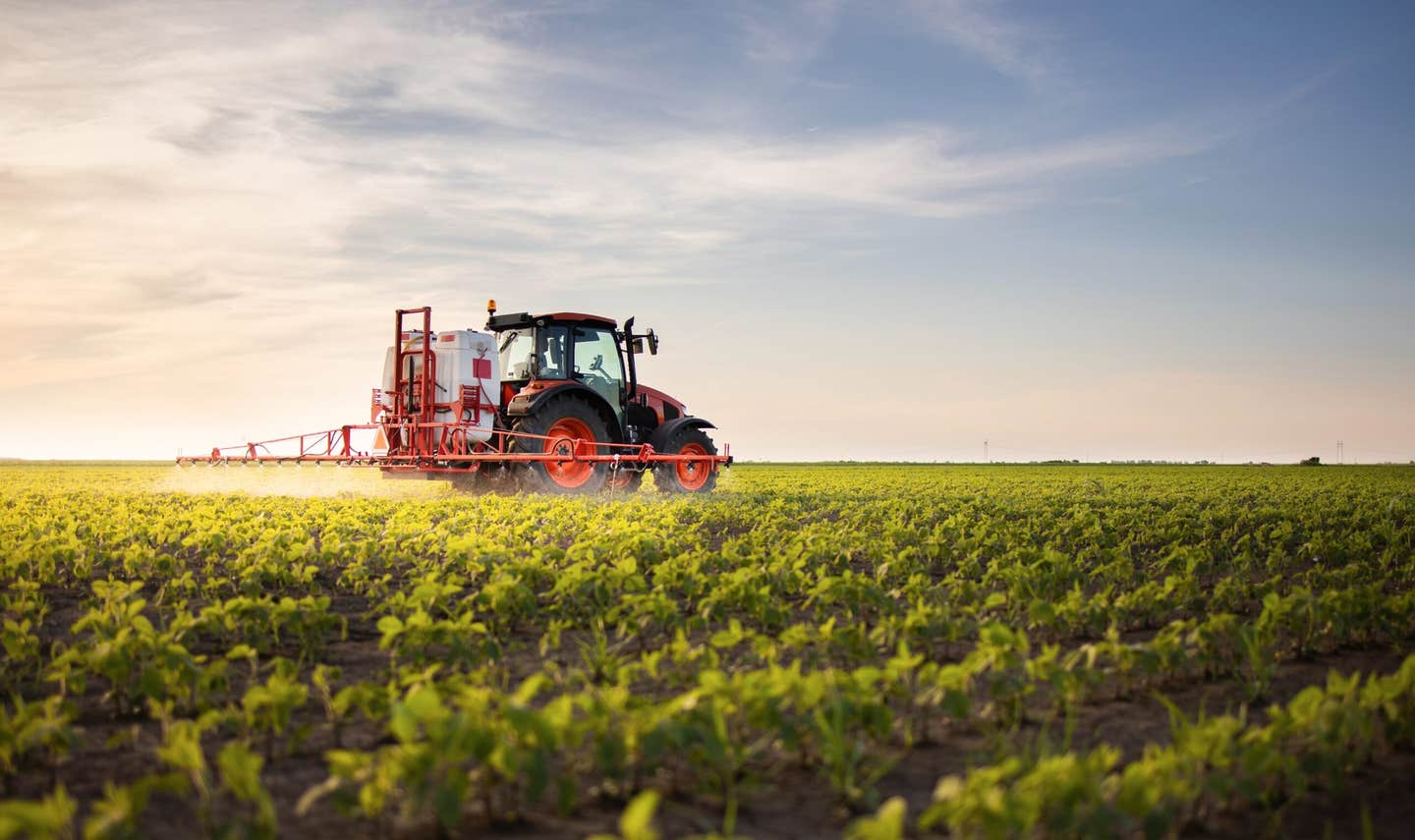
A new international study argues that the world’s farms can be more than food factories. By changing how crops use and store carbon, and by cutting reliance on synthetic fertilisers, agriculture could deliver gigatonne scale climate benefits while still feeding a growing population. The work offers a clear roadmap to decide which ideas are truly worth backing. (CREDIT: Shutterstock)
Fields of wheat, rice and corn might feel far from climate negotiations, yet they hold surprising power over the planet’s future. A new international study led by researchers at Queensland University of Technology argues that the world’s farms could become one of the biggest tools in the fight against global warming if you change how they work.
Lead author Professor Claudia Vickers said the basic starting point is simple but huge. “Global croplands are estimated to capture more than 115 gigatons of carbon dioxide annually through photosynthesis,” she said. That number is staggering. It means your food system already pulls massive amounts of carbon out of the air every year.
Her team’s message is hopeful and blunt at the same time. “Even modest improvements in how crops capture, use, and store that carbon, if applied across existing farmland, could deliver huge climate benefits.”
Farms as a Hidden Climate Engine
Modern agriculture gives and takes from the climate. On one side, it releases a large share of global emissions through fertiliser use, soil disturbance and other practices. On the other, it covers vast areas of land and runs on photosynthesis, the original carbon capture technology.
Because farms reach across continents, small efficiency gains can scale into global change. That is the core of the study’s argument. If you improve how plants handle carbon on land that already exists, you do not need to invent a new industry or carve out extra space. You work with fields that already grow your food, feed and fibre.
The authors look at both genetic and non-genetic ideas. Bioengineered traits that change root systems or photosynthesis sit alongside tools such as biochar, smarter fertilizer use and reforestation in farming landscapes. Instead of treating these as competing visions, the study places them on the same scoreboard.
To do that, the group built a quantitative framework. It asks a simple question: how do you compare a new crop trait with something like adding carbon rich charcoal to soil across a region? The framework tries to make that comparison fair.
A New Way to Compare Climate Solutions
Professor Vickers said the goal is to help science and policy “compare apples with apples.” That means looking at more than carbon per hectare. The study evaluates each strategy against several lenses.
One lens is scale. A technique that locks away lots of carbon on a small test plot may fail when you try to use it across millions of hectares. Another is durability. Carbon that stays in the ground for a century matters more than carbon that leaks back in a few years.
The framework also checks technical feasibility. Can the idea work outside a lab or a controlled trial? Socioeconomic fit is just as important. A practice that hurts farmer income, or clashes with local culture, is unlikely to spread, no matter how strong the chemistry looks.
When the team ran the numbers, some patterns stood out. Reducing reliance on synthetic nitrogen fertilisers emerged as one of the fastest levers for large scale change. Cutting these inputs could deliver gigatonne level climate benefits in the near term.
Short Term Levers and Long Term Moonshots
Fertilisers sit at the centre of many high yield systems. They also drive serious emissions. The new analysis suggests that easing dependence on synthetic nitrogen, through better management or new biological tools, could pay off quickly at the planetary scale.
In parallel, the study highlights synthetic biology as a longer term play. Engineered crops and other plant based systems could boost carbon drawdown or reduce emissions in ways that layer on top of existing practices. Over the next century, these approaches together could deliver up to 260 gigatons of carbon dioxide equivalent in additional drawdown, according to the paper’s estimates.
The authors stress that different ideas capture very different amounts of carbon per hectare. Some interventions pack a big punch on each parcel of land. Others are lighter but much easier to spread. In the end, the biggest driver of impact is deployment scale.
No single tactic is enough on its own. The researchers argue for a portfolio approach, much like a diversified investment plan. That portfolio would blend mature options you can roll out now with emerging tools that still sit in the research pipeline.
Designing Climate Smart Farming Systems
For this portfolio to matter in the real world, every piece must do more than look good on paper. Professor Vickers said any successful intervention needs to be technically feasible, economically viable, durable and scalable. It also needs to protect ecosystems instead of causing new harm.
The study frames these ideas as “triple bottom line” solutions. That means they should support social, environmental and economic goals at the same time. Better carbon sequestration, for example, should not come at the expense of food security or farmer livelihoods. In fact, the work argues the opposite. Well designed strategies can support yield, animal feed, fibre production and income while they help the climate.
“Agriculture is uniquely positioned to both feed the world and fight climate change,” Professor Vickers shared with The Brighter Side of News. "That dual role gives farming a special place in climate planning. It also sets a high bar. Any plan must balance hunger, jobs and planetary limits," she continued.
The authors warn against chasing flashy projects that cannot show clear results. “We need to focus on the interventions that can deliver meaningful, measurable outcomes,” Professor Vickers said. The framework in Plant Physiology is meant as a roadmap for that focus.
The study’s framework gives governments, companies and researchers a shared way to judge farm based climate ideas. Instead of backing projects based on hype, you can ask hard questions about carbon impact, cost and farmers’ realities.
In the near term, the findings point toward practical actions such as cutting synthetic nitrogen fertiliser use while protecting yields. That may involve better management, different crop rotations or new biological tools that improve soil fertility. Because these changes work across vast cropland, even moderate improvements could shift emissions at the gigatonne scale.
Over the longer run, the work outlines how engineered crops and other plant based technologies might plug into this system. Synthetic biology will not replace management fixes. It will likely layer on top of them, creating crops that store more carbon, use nutrients more carefully or support soil health in new ways.
For farmers, the message is that climate smart practices can also build resilience and income. Strategies that increase soil carbon often improve water holding capacity and fertility, which can soften the blow of droughts or heatwaves. Policies informed by this framework could reward you for these benefits, not just for the food you deliver.
At the global level, the analysis shows that farms can sit alongside forests, energy systems and industry as a central part of climate planning. Agriculture no longer appears only as a problem to fix. It becomes a partner that, with the right tools and incentives, can feed people and help stabilize the climate at the same time.
Research findings are available online in the journal Plant Physiology.
Related Stories
- Farming gets a boost from an unlikely source: Human urine
- New research reveals how early humans transformed the world through farming
- Plant genetics discovery could revolutionize fertilizer use in farming
Like these kind of feel good stories? Get The Brighter Side of News' newsletter.
Rebecca Shavit
Writer
Based in Los Angeles, Rebecca Shavit is a dedicated science and technology journalist who writes for The Brighter Side of News, an online publication committed to highlighting positive and transformative stories from around the world. Her reporting spans a wide range of topics, from cutting-edge medical breakthroughs to historical discoveries and innovations. With a keen ability to translate complex concepts into engaging and accessible stories, she makes science and innovation relatable to a broad audience.