‘Superior memory’ helps reprogrammed T cells hit tumors harder
Georgetown researchers report PARP inhibition boosts CD8 T cell memory, which may strengthen immunotherapy across more cancers.

 Edited By: Joseph Shavit

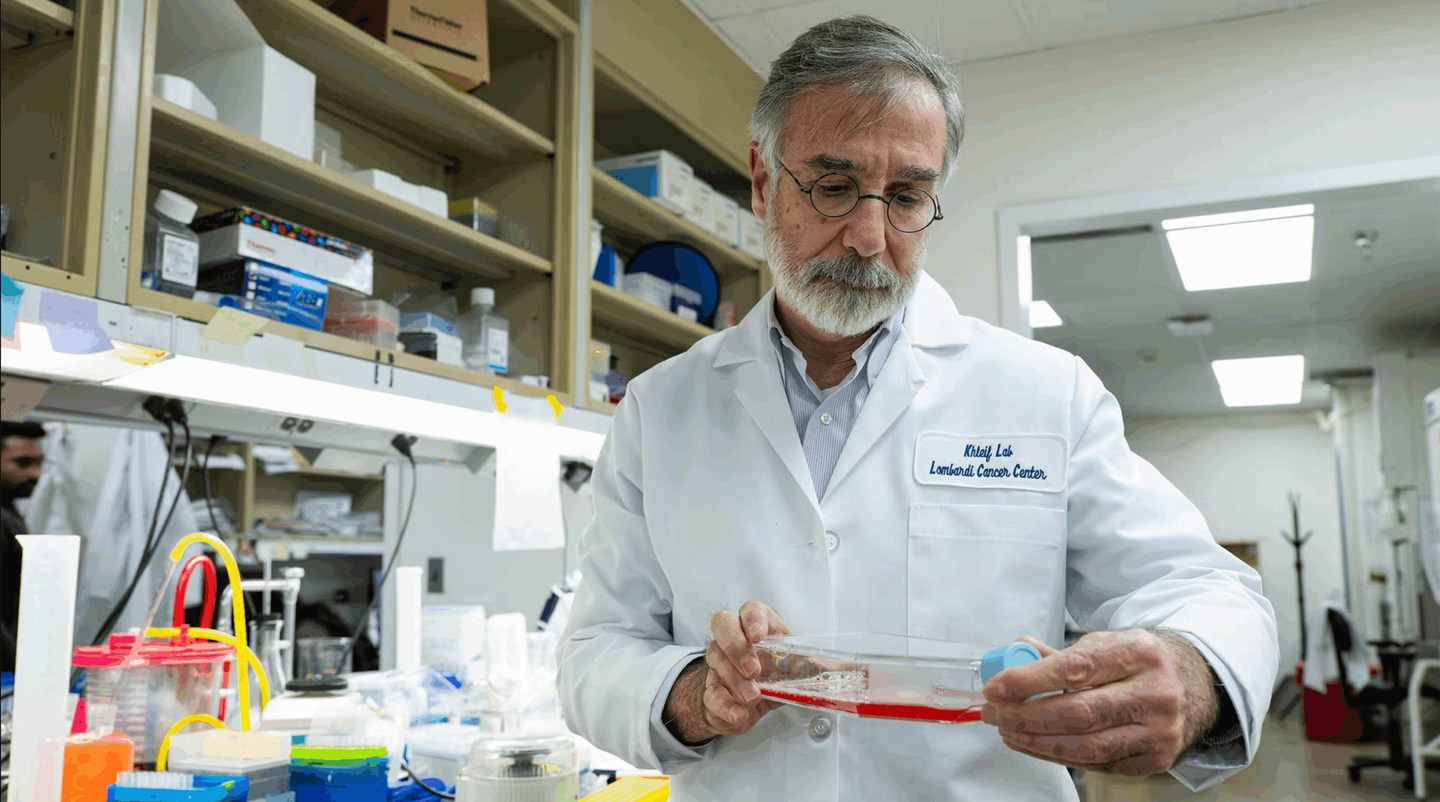
A Nature Immunology study suggests PARP inhibitors can reprogram CD8 T cells into longer-lasting “superior memory” cancer fighters. (CREDIT: University of Georgetown)
A cancer drug class best known for attacking tumors may also help your immune system remember them better.
Researchers at Georgetown University’s Lombardi Comprehensive Cancer Center report that blocking an enzyme called PARP can reprogram key immune cells into a stronger, longer-lasting form. The work focuses on CD8 T cells, white blood cells that hunt infected and cancerous cells.
The team says PARP inhibition helps these CD8 T cells develop what they call “superior memory.” In lab and mouse studies, the reprogrammed cells activated more effectively and hit tumors harder. They also survived longer, a quality that matters when cancer tries to return.
“This opens the door to a new area of research in understanding how our immune system works, and as importantly, it opens the way for the development of new strategies for the treatment of cancer,” said Samir N. Khleif, MD, director of The Center for Advanced Immunotherapy Research and the director of Loop Immuno-Oncology Research Laboratory at Georgetown’s Lombardi.
A Familiar Cancer Target Gets a New Role
PARP is an enzyme that detects DNA abnormalities and helps repair them. In many cancers, PARP activity can run in overdrive. That can support tumor growth.
Drugs that block PARP, called PARP inhibitors, already play a role in treatment for certain cancers. They can be effective when tumors carry specific mutations, such as BRCA mutations, that disrupt DNA repair.
The new Georgetown finding shifts the spotlight. The researchers found PARP inhibition can strengthen anti-tumor immunity regardless of whether a tumor has those DNA repair mutations.
That matters because it could widen who might benefit. It also suggests a new reason these drugs may help, beyond their direct impact on cancer cells.
Reprogramming CD8 T Cells for Stronger Recall
The study centers on CD8 T cells, often described as the immune system’s frontline fighters. These cells can kill tumor cells, but they do not always last. Cancer can also wear them down.
In the Georgetown experiments, inhibiting PARP helped CD8 T cells develop into a “superior memory” form. Memory matters because it shapes how the immune system responds the next time it sees the same threat. In cancer, that could mean quicker recognition and a more durable response.
The researchers reported several linked effects. PARP inhibition helped CD8 T cells activate more effectively. It also made them attack cancer cells more forcefully. The team says the process works by changing the cells’ metabolism, which supports strength and staying power.
In plain terms, the cells did not just fight harder. They also held on longer.
“The new T cells that we identified are superior memory T cells. They exhibit a stronger response to foreign antigens and possess prolonged survival, leading to greater and more robust anti-tumor activity. They are crucial for strong, long-lasting anti-tumor immune responses, which can be linked to better patient outcomes,” Khleif said. “By promoting these T cells, PARP inhibitors could potentially make cancer immunotherapy more effective.”
Why Small-Molecule Drugs May Fit Immunotherapy
One reason this approach stands out is how these drugs work in the body.
The study notes that small molecule inhibitors, such as olaparib, can easily enter cells. That differs from large antibody drugs, which often target the outside of cells. By entering cells, small molecules can hit internal signaling targets.
The research team emphasizes practical benefits too. These drugs can be delivered orally. Their effects can also be tuned or reversed by changing the dose.
That flexibility matters for immune therapies. Cancer care often requires careful balancing. You want strong tumor attack, but you also want control.
A Broader Strategy Taking Shape
Khleif’s team frames the PARP finding as part of a bigger push. In previous work, they reported another T cell reprogramming strategy, this one involving the MEK pathway. That pathway differs from the PARP pathway.
“Together, our two recent studies pave the way for a new and important field of investigation, which is targeting signaling pathways by using small molecules for reprogramming T cells into novel and specific subtypes,” Khleif said.
The idea is not just to boost the immune system in a general way. It is to shape T cells into more useful versions, ones that keep fighting when cancer tries to outlast them.
What Comes Next for Patient Testing
The researchers say their next step is translating the discovery into strategies that could be tested in clinical trials, especially for difficult-to-treat cancers.
They also point to a gap in the current trial landscape. They note there are no clinical trials combining PARP inhibitors with ACT, adoptive cell therapy, or CAR-T therapies, chimeric antigen receptor T cell therapies. Both ACT and CAR-T are personalized immunotherapy approaches.
Khleif and colleagues are exploring the possibility of developing such a clinical trial. They mention potential patient groups, including people with ovarian, breast, or prostate cancers, using combination approaches.
The work remains early, based on in vitro and mouse studies. Still, the team argues the direction is clear. If PARP inhibitors can help build better immune memory, they may help other immunotherapies last longer and work more reliably.
Practical Implications of the Research
This research points toward a new way to think about cancer drugs you may already hear about in clinics. PARP inhibitors are often discussed as tools that target tumor DNA repair. The Georgetown findings suggest they may also reshape the immune response by strengthening CD8 T cell memory. That could influence future research priorities, pushing scientists to study immune effects alongside direct tumor effects when evaluating drug impact.
If future trials confirm the results, PARP inhibitors could become more broadly useful than before. The study suggests these drugs might boost anti-tumor immunity even when a cancer lacks specific DNA repair mutations. That wider reach could support new combination plans, pairing PARP inhibitors with immunotherapies to aim for longer-lasting control of disease.
The work also highlights a practical advantage for treatment design. Small molecule inhibitors like olaparib can enter cells, can be adjusted by dose, and can be delivered orally. Those traits may make it easier to test how immune cell “reprogramming” can be tuned for safety and effect.
Over time, that could help researchers build more precise immune-based strategies that extend durable responses and reduce relapse.
Research findings are available online in the journal Nature Immunology.
The original story "'Superior memory' helps reprogrammed T cells hit tumors harder" is published in The Brighter Side of News.
Related Stories
- Scientists create special antibody that shuts down rogue T cells safely
- Scientists re-engineer a patient’s own T cells to target and destroy cancer cells
- CRISPR transforms ordinary fat cells into cancer killing machines
Like these kind of feel good stories? Get The Brighter Side of News' newsletter.
Rebecca Shavit
Writer
Based in Los Angeles, Rebecca Shavit is a dedicated science and technology journalist who writes for The Brighter Side of News, an online publication committed to highlighting positive and transformative stories from around the world. Her reporting spans a wide range of topics, from cutting-edge medical breakthroughs to historical discoveries and innovations. With a keen ability to translate complex concepts into engaging and accessible stories, she makes science and innovation relatable to a broad audience.