What TV Dramas Get Wrong About CPR—and the Real-World Cost
A University of Pittsburgh study shows scripted TV still relies on outdated CPR techniques, which may delay lifesaving action in real emergencies.

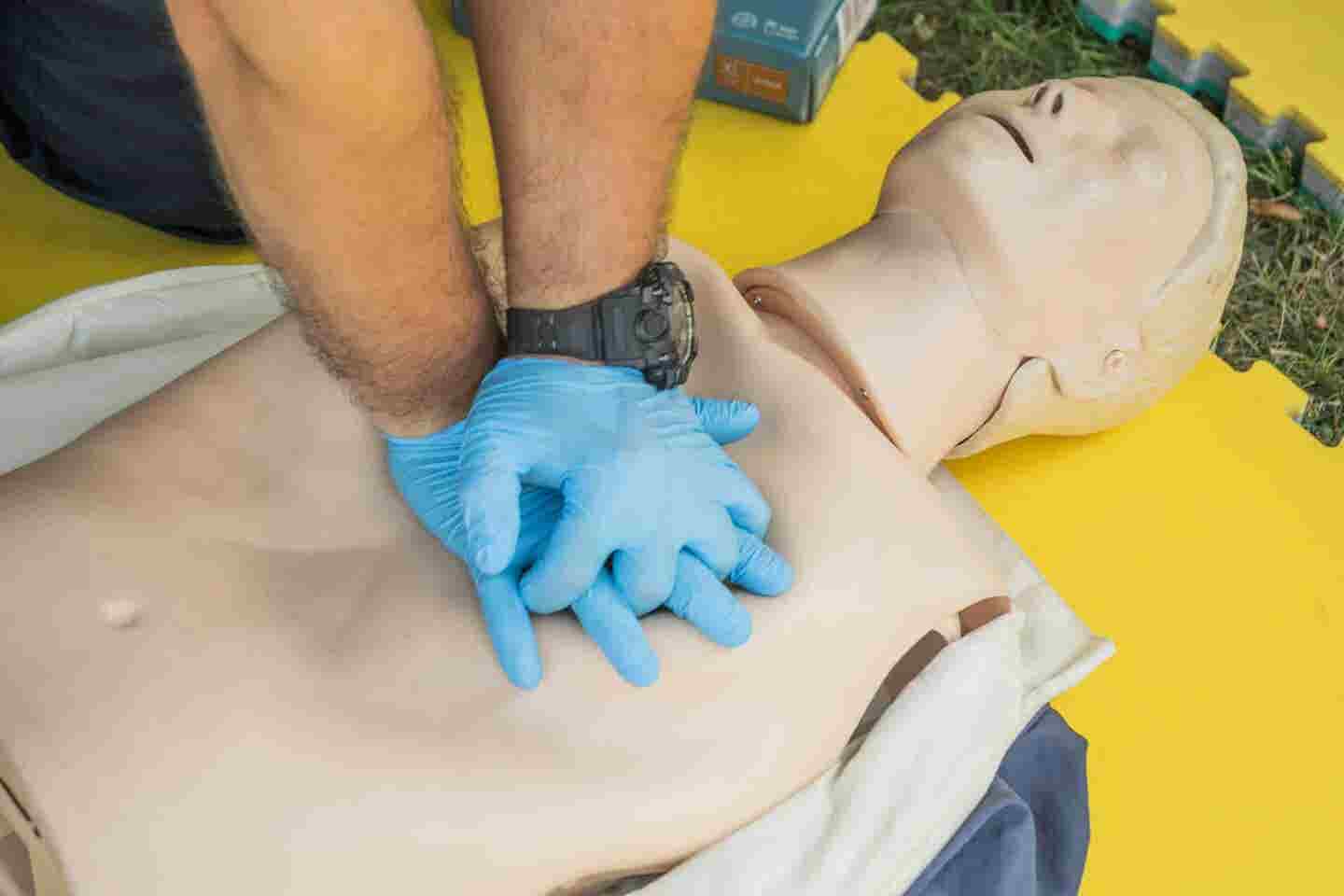
University of Pittsburgh researchers find TV shows often portray outdated CPR, risking confusion during real cardiac arrests. (CREDIT: Wikimedia / CC BY-SA 4.0)
TV varies dramatically in informing viewers about medical emergencies, but it also teaches audiences how not to perform cardiopulmonary resuscitation (CPR). As part of a new study conducted at the University of Pittsburgh School of Public Health and the University of Pittsburgh School of Medicine, researchers found that existing portrayals of CPR across scripted television in the U.S. depict many outdated practices. These practices could mislead viewers when confronted with an actual cardiac arrest and cause them to delay responding with the lifesaving action they would have otherwise taken.
This research, which appears in the journal Circulation: Population Health and Outcomes, is the first to comprehensively assess how bystander CPR is portrayed in scripted television programming in the U.S. It was conducted by assistant professor Beth L. Hoffman, Ph.D., MPH, of the Pitt School of Public Health, and recent Pitt graduate Ore Fawole, B.S., B.A., who was the lead author on the research.
This study arrives almost 20 years after the American Heart Association issued its first public guidance regarding CPR. The association's recommended approach for bystanders, as stated in 2008, was to use a hands-only approach, or lean on only two steps: make the call to 911, and then immediately begin performing hard, fast chest compressions, without doing any breaths or checking for a pulse, which hinders getting timely help.
Hands-Only CPR Eliminates Hesitation
Hands-only CPR was designed to eliminate the hesitation that bystanders commonly feel when they witness someone undergoing cardiac arrest. Research indicates that hands-only CPR has been demonstrated to be comparable to traditional CPR in terms of maintaining blood and oxygen flow to the brain and heart within the first critical moments after a sudden cardiac arrest. When minutes are lost without immediate assistance, the chance of survival is drastically diminished.
“There’s tremendous uncertainty about CPR training among the younger generations,” Hoffman told The Brighter Side of News. "Students have stated the first thing they do when they encounter someone in cardiac arrest is check for a pulse. However, this is not something that is included in the bystander CPR guidelines anymore," she continued.
During training sessions, Hoffman observed a consistent trend among students who stated they learned about CPR from television or social media. This led him to conduct the study he is discussing.
How the Study Was Conducted
The study was conducted by using the Internet Movie Database to identify scripted U.S. television episodes aired after January 1, 2008, that have been tagged with any terms related to CPR, cardiac arrests, or resuscitation based on criteria defined by the study team. Reality shows were excluded from consideration, and duplicate episodes were removed, as well as episodes from outside the United States.
The final data set includes a total of 169 scripted episodes. Of these, 93 depict what would be generally identified by viewers as a cardiac arrest occurring outside of the hospital. It should be noted that due to the lack of accurate medical detail in the majority of these episodes, they should not be considered clinical examples of a cardiac arrest occurring outside of the hospital.
Of these 93 episodes, 85 depicted the act of performing CPR; of these 85 episodes, 54 depicted the act of performing CPR by a layperson outside of a hospital setting. Based upon these criteria, these 54 episodes are directly related to the guidelines for hands-only CPR.
Each episode was viewed and double-coded by the researchers, who were trained in this research method, and the researchers determined if the scene depicted in the episodes followed the recommended steps for responding to a cardiac arrest and whether they noted the gender, race, and age of the person experiencing the medical emergency and the person assisting them.
What Viewers See on Screen
The researchers found substantial differences between the way CPR is depicted on television and in comparison to real-life situations. Less than 30% of the relevant episodes accurately depicted hands-only CPR being performed on the victim properly. Almost half of the examples of CPR shown on television involved rescue breathing through mouth-to-mouth contact, while over 40% involved checking for pulse. Both techniques are outdated methods that would be used by bystanders.
“These depictions are not meant to be interpreted as humorous,” said Dr. Fawole. “Just because the scenes are not accurate doesn't mean they were created with a satirical intent.”
According to the study, television also showed a skewed view of who is at risk for cardiac arrest. Most shows represented 44% of individuals receiving CPR as being between 21 and 40 years old; however, in actuality, the average age of someone who requires CPR is closer to 62 years old.
In terms of location, 80% of the cases depicted in the shows studied were depicted as occurring in a public place; however, it has been found that more than 80% of all cardiac arrests occur at home.
Dr. Fawole stated, “This could create a false perception in the minds of the public, if they believe that all cardiac arrests only occur in public or only happen to younger individuals, they may not consider CPR training to be relevant to their life experience, but the vast majority of cardiac arrests take place in the home, and the person who could be helped is someone who you care about.”
Disparities and Representation
The study found that the majority of individuals represented on television who received CPR were white men. In real life, women, Black, and Latino individuals are less likely than white men to receive bystander CPR.
According to Dr. Hoffman, “The question we need to ask ourselves is whether these representations are accurately representing reality, or creating the perception of reality. Future research could address this issue to answer this question."
This statement addresses the need for future research to explore the effects of repetitive portrayals of groups associated with receiving/performing CPR, which may lead to reinforcement of unconscious bias. Conversely, television shows have higher rates overall of CPR usage, and thus send an implicit message to take action.
Why Accuracy Still Counts
Why continued accuracy is important: The United States sees over 350,000 out-of-hospital arrests each year. Call to Action: Bystander CPR doubles/triples the chance of survival on the actual site of the incident. Despite all of this evidence, over half of all cases have hands-only CPR, and the rates decrease further down the scale to women and minorities.
Public health campaigns have attempted to simplify the message; however, the concern from Pitt's investigation has raised a similar concern in that the additional presentation of "extra steps" is giving the impression that CPR is more difficult than it is.
While there are limitations to this study, such as some content/scenes were missed, and demographic information was inferred from the actor's public profiles, Pitt et al. see this study as an step forward.
Partnership between public health experts and content creators could represent new opportunities to align entertainment with current scientific and medical understanding. Changes made in how the information is portrayed could support the idea that anyone, anywhere, can assist without fear of causing harm.
Practical Implications of the Findings
The findings highlight how the media shapes real-world behavior during emergencies. When CPR is shown as complicated or outdated, viewers may hesitate in moments when speed matters most. Clear, accurate portrayals could build confidence and reduce fear about stepping in.
For researchers and educators, the study points to television as a potential partner in public health. Aligning scripts with modern CPR guidelines could support existing training campaigns. Over time, that shift may help increase bystander response rates and reduce disparities in who receives help.
For the public, the message is simple. Cardiac arrest often happens at home, to older adults, and to people close to you. Knowing the correct steps, calling 911, and starting chest compressions can save a life.
Research findings are available online in the journal Population Health and Outcomes.
Related Stories
- Heart attack deaths in the US drop 90% as new heart risks rise
- Leading cardiologist says Taylor Swift could save lives
- Experimental RNA drug helps hearts heal after heart attacks
Like these kind of feel good stories? Get The Brighter Side of News' newsletter.

Mac Oliveau
Writer
Mac Oliveau is a Los Angeles–based science and technology journalist for The Brighter Side of News, an online publication focused on uplifting, transformative stories from around the globe. Passionate about spotlighting groundbreaking discoveries and innovations, Mac covers a broad spectrum of topics including medical breakthroughs, health and green tech. With a talent for making complex science clear and compelling, they connect readers to the advancements shaping a brighter, more hopeful future.