Fishing nets and recycled plastic trash are being paved into Hawaii’s roads
An Oahu road made with recycled plastic shows promising results without increased microplastic pollution.

 Edited By: Joseph Shavit

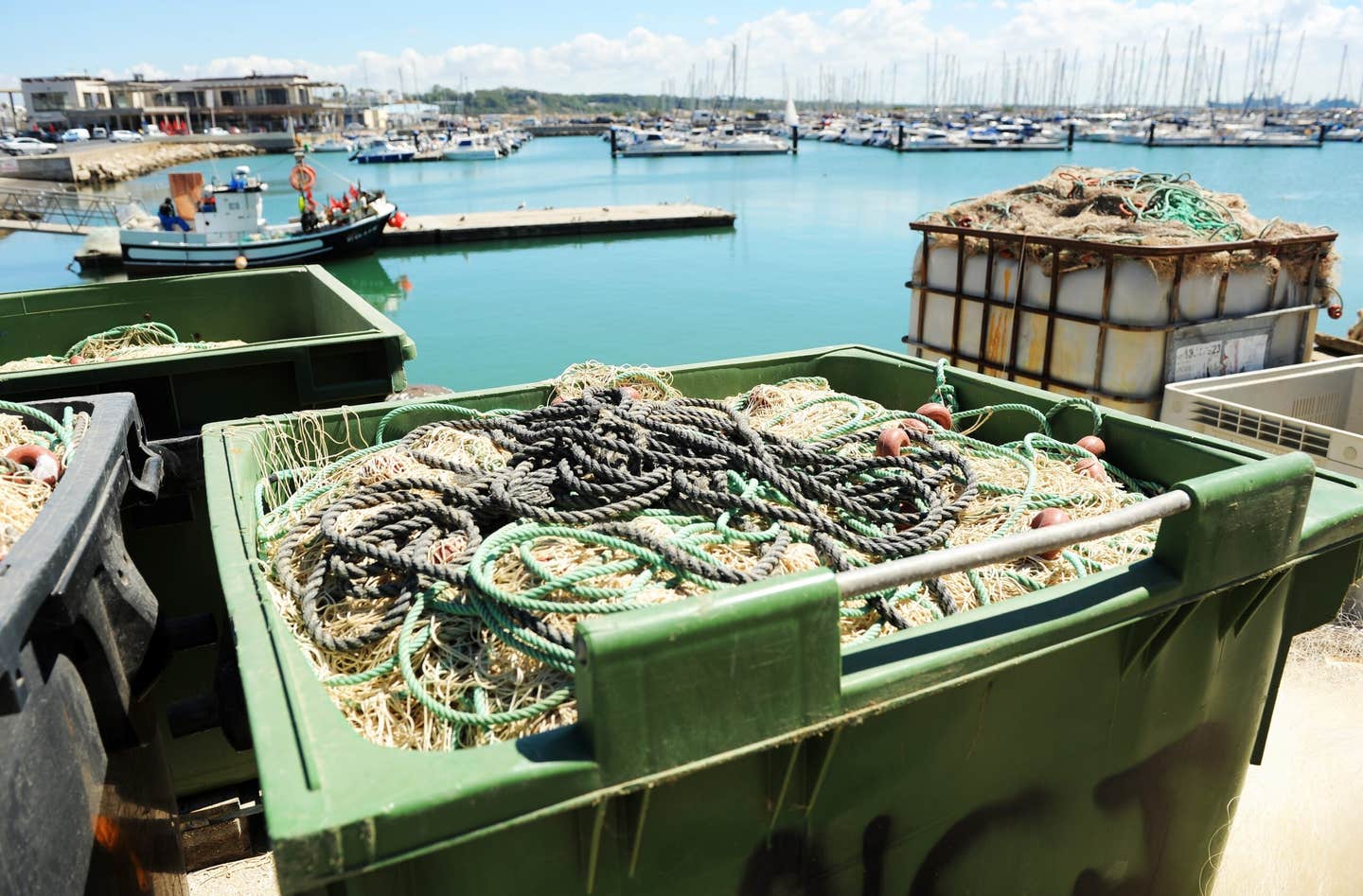
Hawaii tests roads made from recycled plastic and fishing nets, with early results showing no increase in microplastic shedding. (CREDIT: Shutterstock)
Sand, rock, and melted plastic now sit beneath the tires on a quiet residential street in Oahu. For nearly a year, cars have rolled over an experiment that could reshape how Hawaii deals with its mounting plastic waste.
The test road looks ordinary. What sets it apart is what holds it together.
Researchers at the Center for Marine Debris Research at Hawaiʻi Pacific University have been working with the Hawaii Department of Transportation to turn discarded plastic, including fishing nets pulled from the Pacific, into asphalt. Early results suggest the idea may be more than a symbolic fix.
“This work investigates whether it’s responsible to use recycled plastics in Hawaii’s roads,” said Jeremy Axworthy, a researcher involved in the project. “By reusing plastic waste that is already in Hawaii, we can reduce the environmental and economic impacts of transporting waste plastics from the islands, incinerating it or dumping it in Hawaii’s overflowing landfills.”
Roads built from a waste problem
Plastic disposal has long been complicated in Hawaii. Shipping waste off the islands is expensive, and landfill space is limited. At the same time, ocean currents carry in large amounts of debris, especially abandoned fishing gear.
“Foreign plastic derelict fishing gear is the largest contributor of Hawaii’s marine debris problem,” said Jennifer Lynch, director of the research center leading the study. Her team’s Bounty Project has already removed 84 tons of large fishing gear from the ocean by paying commercial fishers to collect it.
The question was whether some of that material could be put to use locally.
Hawaii already relies on a form of pavement designed for durability. Since 2020, most roads have used polymer-modified asphalt, which blends petroleum-based binder with a synthetic polymer to make surfaces more flexible and resistant to cracking, water damage, and heat.
Replacing that polymer with recycled plastic seemed like a logical next step. It also raised concerns.
Would roads made with waste plastic hold up under traffic? And could they shed microplastics into the surrounding environment?
Testing what the road leaves behind
To find out, transportation officials partnered with Lynch’s team and a U.S.-based company that processed the waste into a usable form. A paving company then laid three types of asphalt on sections of a residential road: standard polymer-modified asphalt, asphalt containing recycled polyethylene from household waste, and asphalt made with polyethylene from fishing nets.
The road stayed in use for about 11 months.
After that, researchers returned to collect dust from each section. Road dust can carry tiny particles worn down from pavement, tires, and other materials. If plastic-modified asphalt were shedding microplastics, this is where they would show up.
Back in the lab, the team separated the dust into its components and analyzed it using pyrolysis gas chromatography-mass spectrometry, a method that identifies materials by breaking them down into chemical signatures.
They looked for markers linked to each source. Standard pavement produces signals tied to styrene and butadiene. Recycled plastics show up as polyethylene. Tires leave behind their own chemical traces.
What the research found
The results were not what some might expect.
Pavement made with recycled plastic did not release more polymer material than standard asphalt. Microplastic-sized particles were present, but only a small fraction came from polyethylene, regardless of the type of pavement tested.
That may be because the plastic is not sitting in the road as loose fragments. It is melted into the asphalt binder. When pieces wear away, they tend to break off as a mixture of rock, binder, and polymer rather than plastic alone.
One source stood out clearly in the data.
“In our initial Py-GC-MS data,” Lynch said, “we saw tire wear swamps the signal of polyethylene by orders of magnitude, like gigantic peaks! We had to search the weeds of the chromatogram to find signs of polyethylene.”
Durability still under watch
The findings address one major concern, but not all of them.
Researchers are continuing to study how these plastic-infused pavements hold up over time. Strength and longevity will determine whether the approach can move beyond pilot projects.
For now, the early performance appears comparable to existing materials. That is enough to keep interest growing among transportation officials and environmental researchers.
The work is being presented at the American Chemical Society’s spring meeting in 2026, where thousands of scientists are sharing research across disciplines.
A different path for plastic
The idea of recycling plastic has often faced skepticism. Sorting, processing, and reusing materials can be costly and technically challenging. Some critics argue that much of it ends up discarded anyway.
Lynch sees this project as a counterexample.
“Some people think plastic recycling is a hoax, that it doesn’t work; it’s too challenging,” she said. “But this work demonstrates that recycling can work when society prioritizes sustainability.”
The road in Oahu does not solve Hawaii’s plastic problem on its own. It does, however, suggest a way to keep some of that waste in use rather than in landfills or drifting in the ocean.
Practical implications of the research
If further testing confirms durability, recycled plastic asphalt could offer Hawaii a local solution to two persistent challenges: waste management and infrastructure maintenance.
Using materials already on the islands could reduce shipping costs, ease landfill pressure, and give new purpose to marine debris that would otherwise remain in the environment.
The approach may also guide other coastal regions facing similar issues.
Research findings are available online at the American Chemical Society.
The original story "Fishing nets and recycled plastic trash are being paved into Hawaii's roads" is published in The Brighter Side of News.
Related Stories
- Researchers convert recycled household plastics into anti-cancer medication
- New technology uses air moisture to quickly recycle plastics with 94% efficiency
- Majestic '8th continent' collects and recycles plastic from the ocean
Like these kind of feel good stories? Get The Brighter Side of News' newsletter.
Mac Oliveau
Writer
Mac Oliveau is a Los Angeles–based science and technology journalist for The Brighter Side of News, an online publication focused on uplifting, transformative stories from around the globe. Passionate about spotlighting groundbreaking discoveries and innovations, Mac covers a broad spectrum of topics including medical breakthroughs, health and green tech. With a talent for making complex science clear and compelling, they connect readers to the advancements shaping a brighter, more hopeful future.