How ancient shorelines played a crucial role in the survival of early sea creatures
Oxford-led study links ancient extinctions to coastline direction; north-south coasts aided survival as climates shifted.

 Edited By: Joseph Shavit

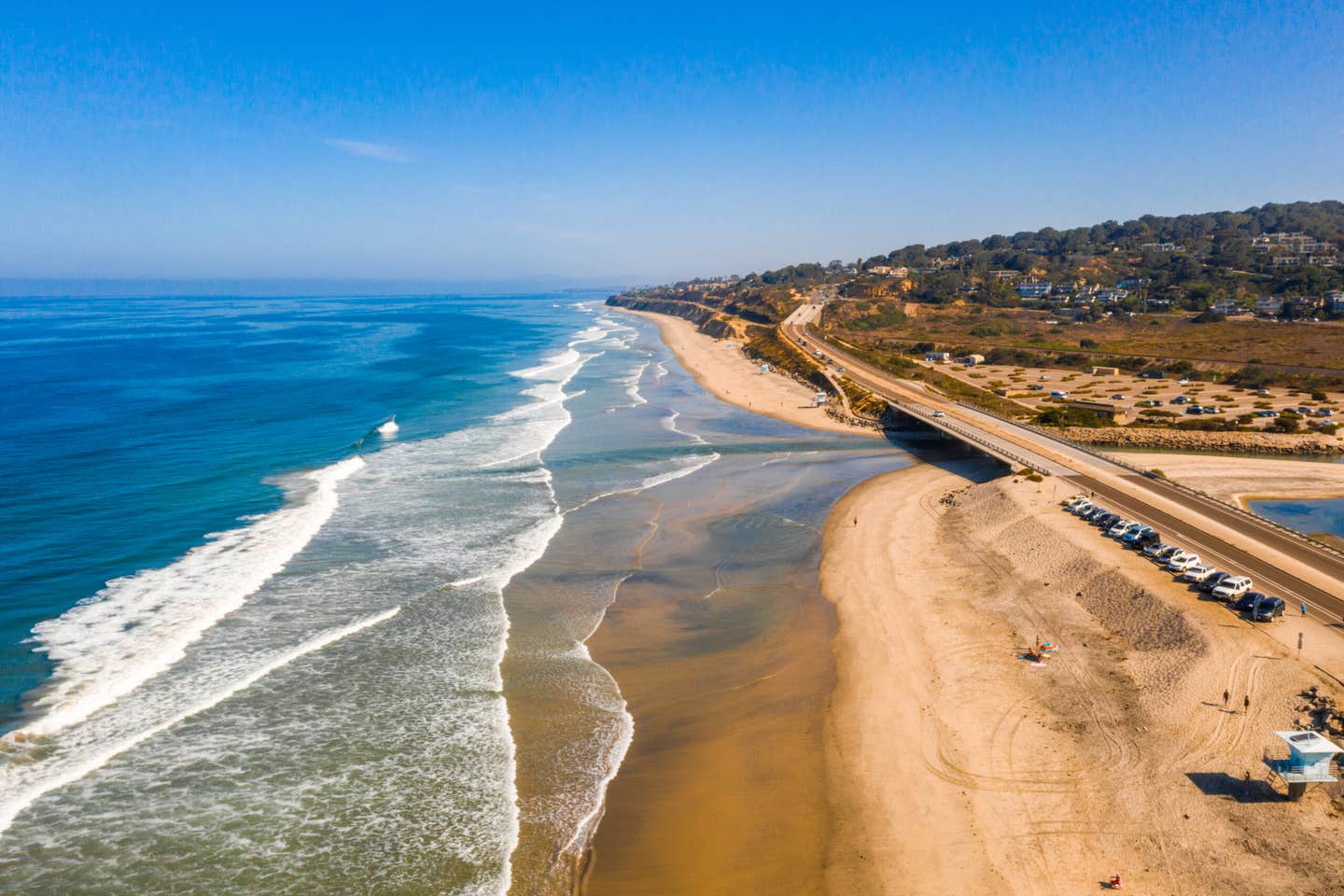
A Science study using 300,000 fossils finds east-west coastlines trapped species at one latitude, raising extinctions over 540 million years. (CREDIT: Science)
Coastlines can look like simple lines on a map. Over Earth’s history, they acted more like gates and traps. A new study led by researchers at the University of Oxford suggests that the shape and direction of coastlines helped decide which shallow-sea animals survived, and which vanished, across the last 540 million years.
The study links extinction risk to a detail you might overlook: whether a coastline runs mostly north to south, or east to west. The team reports that marine invertebrates living along convoluted coastlines, or coastlines that stretch east to west, faced higher odds of extinction than those living along north to south coasts.
That pattern matters because coastlines can either help you move with changing temperatures, or block your escape. When the climate shifts, the ability to migrate toward cooler or warmer waters can decide survival. The new results suggest many species did not die out only because conditions worsened; many disappeared because geography limited their options.
A Fossil Record With a Geographic Twist
The researchers built their test on a huge fossil dataset. They analyzed more than 300,000 fossils representing over 12,000 genera of marine invertebrates. They then paired those records with reconstructions of where continents and shallow seas sat at different times in the past.
That combination let the team do something rare. They could estimate not just when groups went extinct, but where they lived when conditions changed. Then they could ask whether the coastline itself influenced the odds.
To run that test, the researchers used a statistical model designed to measure extinction risk. The model focused on “palaeogeographic context,” meaning the ancient layout of coasts, islands, and seaways. It tested whether coastline orientation and coastline shape predicted extinctions over deep time.
The results pointed to a consistent disadvantage. Species living in places where shifting to a new latitude was difficult faced higher risk, again and again, across hundreds of millions of years.
Why North-South Coasts Can be a Lifeline
The study highlights a basic problem during climate change: temperature zones move. To stay within a tolerable range, you often need to follow those zones by moving north or south.
North to south coastlines tend to make that easier. They offer continuous habitat that spans many latitudes. That can allow a species to track shifting conditions without leaving the shallow coastal world it depends on.
East to west coastlines often create the opposite situation. They can hold you at one latitude for long stretches. If local waters warm or cool beyond your tolerance, you may not have a clear route to follow the temperature you need.
“Generally, coastlines with a north-south orientation better allowed species to migrate during periods of climate change, enabling them to stay within their ideal temperature tolerance range,” said study co-author Professor Erin Saupe of the Department of Earth Sciences at the University of Oxford. “This reduces their risk of extinction. Conversely, groups that are trapped at one latitude, because they live on an island or an east-west coastline, for example, are unable to escape unsuitable temperatures and are more likely to become extinct as a result.”
The researchers describe these settings as barriers to latitudinal migration. In the model, islands and inland seaways also raised extinction risk. These environments can limit travel routes, even when nearby waters might offer relief.
Modern examples help you picture the geometry. Coastlines like those around the Mediterranean and the Gulf of Mexico often run broadly east to west. The study suggests similar layouts in the past could have raised risks for shallow-water animals.
When Extinction Pressures Spike, Geography Matters More
The team also found that coastline geometry mattered most during the worst moments. The effect grew stronger during mass extinctions and during hyperthermal periods, which are extremely warm intervals in Earth’s past.
Those were times when climate stress could rise fast and spread widely. In such moments, being able to move becomes more important. If geography blocks you, the danger climbs.
Lead author Dr. Cooper Malanoski, also from Oxford’s Department of Earth Sciences, says the findings show how survival can depend on the map as much as on biology.
“This shows how important palaeogeographic context is; it allows taxa to track their preferred conditions during periods of extreme climate change,” Malanoski said. “And palaeogeography could provide one explanation for why some mass extinctions are more severe than others; some continental configurations may make it harder for groups to avoid the extreme climate changes during these events.”
That idea reframes how you think about past die-offs. Temperature, oxygen, sea level, and chemistry still matter. But the study suggests the planet’s layout can amplify or soften the blow by shaping escape routes.
A coastline that runs north to south can function like a corridor. A coastline that runs east to west can function like a wall. Over time, repeated climate swings can turn those differences into long-term patterns in extinction.
What the Findings Suggest About Today’s Oceans
The study focuses on ancient marine invertebrates in shallow seas. Still, the authors say the results can help identify modern vulnerabilities. Today’s climate change is human-driven, and it is already altering ocean temperatures.
If a species needs to follow a preferred temperature band, it may need to move across latitudes. Populations in isolated settings may struggle more. That includes species living on islands, in enclosed seas, or along coastlines that do not support easy north to south movement.
The research also points to a conservation challenge. Risk does not depend only on a species’ traits. Location can increase danger by limiting options during change. That matters for planning and priorities, especially where people depend on marine life for ecosystem services.
Saupe says the work supports an idea many scientists have suspected, and it now tests it at a large scale.
“This work confirms what many palaeontologists and biologists have suspected for years; that a species’ ability to migrate to different latitudes is vital for survival,” she said. “By examining the fossil record of marine invertebrates restricted to shallow marine environments, we have been able to test this hypothesis with rigorous statistical analyses. An exciting next step is to see if we can observe this effect today.”
Practical Implications of the Research
The study offers a practical lens for forecasting marine risk under climate change. If ocean warming pushes species to shift their ranges, populations that cannot move across latitudes may face higher danger. That risk may be especially relevant in isolated habitats, enclosed seas, island chains, and regions with coastlines that limit north to south migration.
For researchers, the work adds a geographic factor that can be tested in modern datasets. It suggests that conservation models should consider not only temperature projections, but also “escape routes” shaped by coastline layout. That could help scientists identify which marine populations might need stronger protections, more monitoring, or targeted management.
For society, the benefit is foresight. Shallow marine ecosystems support fisheries, coastal protection, and biodiversity. If conservation planners can spot geographic traps early, they can focus efforts where species have the fewest options, and where losses would carry the greatest cost.
Research findings are available online in the journal Science.
The original story "How ancient shorelines played a crucial role in the survival of early sea creatures" is published in The Brighter Side of News.
Related Stories
- Melting Antarctic ice could cripple a deep ocean climate engine
- Ocean storms under Antarctic ice found to rapidly boost melting
- Nearly half of the beaches on Earth will disappear by the end of the century, study finds
Like these kind of feel good stories? Get The Brighter Side of News' newsletter.
Rebecca Shavit
Writer
Based in Los Angeles, Rebecca Shavit is a dedicated science and technology journalist who writes for The Brighter Side of News, an online publication committed to highlighting positive and transformative stories from around the world. Her reporting spans a wide range of topics, from cutting-edge medical breakthroughs to historical discoveries and innovations. With a keen ability to translate complex concepts into engaging and accessible stories, she makes science and innovation relatable to a broad audience.