Scientists discover a bacterial molecule that tricks deadly fungi into starving
Gladiolin Candida albicans research shows a bacterial molecule can disarm an invasive fungal form and boost antifungal drugs.
 Monash University Writer: Alyssia Lonsing

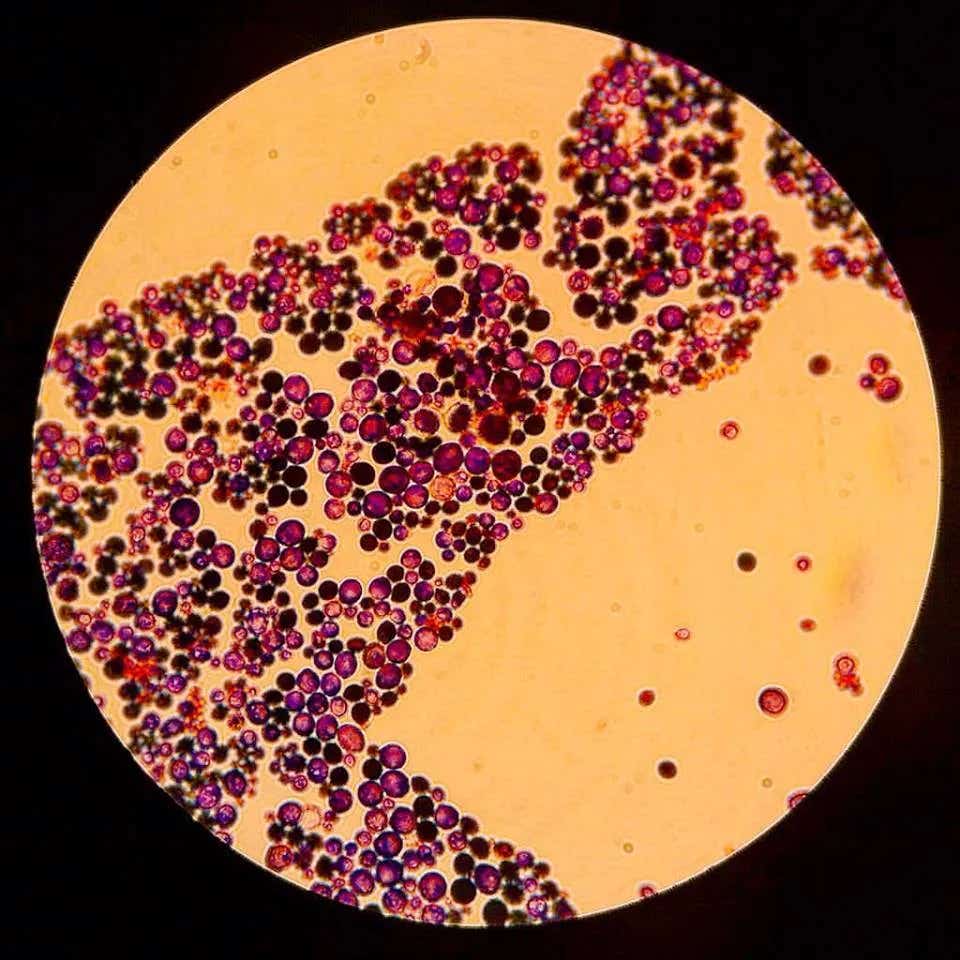
A bacterial compound changes how Candida uses glucose, weakening a shape shift linked to dangerous infections. (CREDIT: Wikimedia / CC BY-SA 4.0)
- A bacterial molecule called gladiolin can push Candida albicans away from its invasive, tissue-damaging form and back toward a less harmful yeast state.
- The compound appears to do this partly by changing how the fungus uses glucose, a sugar it needs to keep growing in its invasive form.
- The work could guide new antifungal strategies, including ways to make existing drugs work better against dangerous fungal infections.
Candida albicans can live quietly in the body, until it changes shape. In its round yeast form, it may remain relatively harmless. In its thread-like form, it can invade tissue, build biofilms and help drive dangerous infections.
A study led by Monash University researchers, in collaboration with the University of Warwick, points to a bacterial molecule that can push the fungus back toward the safer state. The molecule, called gladiolin, was already known as an antibiotic made by bacteria. Its effects on fungal pathogens had been less clear.
The work comes from the Monash Warwick Alliance Programme in Antimicrobial Resistance. The study was led by researchers from the Monash Biomedicine Discovery Institute.
Professor Ana Traven, from the institute, said the shape change matters because Candida’s invasive form helps it cause damage.
“The thread-like hyphae of Candida albicans allow the fungus to penetrate and damage human tissue and form drug-resistant biofilms, leading to dangerous infections,” Professor Traven said.
A fungus with two very different faces
Candida albicans normally lives in the human body. But in critically ill or immunocompromised patients, it can cause life-threatening infections, especially when it grows on medical devices such as catheters.
Its danger depends partly on its ability to switch forms. Yeast cells are round and less invasive. Hyphae are long, thread-like structures that help the fungus push into tissue and form biofilms. Biofilms are organized microbial communities that can resist drug treatment.
The new work focuses on how gladiolin affects that switch.
“We’ve discovered gladiolin effectively ‘switches off’ this aggressive behaviour, pushing the fungus back into its less harmful ‘yeast’ state,” Traven said.
That approach does not fit the usual model of simply killing a pathogen. Instead, it aims to weaken the traits that make the fungus dangerous.
“This gives us a different way to think about controlling fungal infections, not just by killing the fungus, but by disarming it,” Traven said.
Sugar use becomes the key clue
First author Dr Manasa Bharathwaj, a research fellow at the Monash Biomedicine Discovery Institute, said gladiolin changes the metabolism of Candida albicans. Metabolism means the way a living cell uses nutrients and energy.
The key nutrient in this case is glucose, a sugar in the fungus’s environment. The invasive hyphae need glucose to grow.
“Since glucose is important for the invasive hyphae to grow, gladiolin tricks Candida to use up its glucose supply more quickly, forcing it to switch back to its less invasive yeast state,” Dr Bharathwaj said.
The research showed that gladiolin can drive Candida away from the hyphae form and toward the yeast form. That does not mean gladiolin simply stops all fungal growth. Rather, the compound changes the conditions that help the invasive form persist.
The study also builds on a 2024 discovery involving Traven, Professor Mibel Aguilar from the Monash Biomedicine Discovery Institute and Professor Greg Challis. Traven and Challis are co-directors of the Monash Warwick Alliance Program in Antimicrobial Resistance.
Together, the two studies suggest that naturally occurring bacterial molecules can act against dangerous fungi in more than one way. Gladiolin can alter one of Candida’s disease-causing behaviors. It can also boost the effect of an important antifungal drug.
Helping an old antifungal hit harder
The latest research showed that gladiolin dramatically boosts the effectiveness of amphotericin B, one of the world’s most important antifungal medicines.
That matters because amphotericin B remains a major tool against serious fungal disease, but antifungal treatment options remain limited. Some available drugs can also be highly toxic.
Professor Challis said the finding points to new ways to tackle infections that have become harder to treat.
“Importantly, our findings suggest that gladiolin could help existing drugs kill dangerous fungal pathogens, including drug-resistant biofilms that can form on medical devices, while potentially allowing lower, less toxic doses of antifungal drugs to be used,” Professor Challis said.
He also tied the result to the value of international research across disciplines.
“This is an exciting example of how interdisciplinary and international collaboration can open up new approaches to antimicrobial resistance,” Challis said.
The study adds to research from the Monash Warwick Alliance’s investment in antimicrobial resistance. The alliance is approaching its 15th anniversary and links Monash University and the University of Warwick.
A growing threat with few defenses
Fungal infections are a major global problem. Traven said they kill an estimated two million people worldwide each year.
“Fungal infections kill an estimated two million people worldwide each year, yet treatment options remain limited,” Professor Traven said.
The stakes extend across modern health care. Surgery, cancer treatment, organ transplantation and intensive care all depend on the ability to prevent and treat severe fungal infections.
“Modern medicine, from surgery and cancer treatment to organ transplantation and intensive care, depends on our ability to prevent and treat these life-threatening infections.
“There are no vaccines for fungal infections, and some of the antifungal medicines we do have can be highly toxic, highlighting the urgent need for new ways to prevent and treat these diseases.”
Candida albicans illustrates the problem well. It can live harmlessly, then become dangerous in vulnerable patients. Once it forms biofilms on medical devices, treatment becomes more difficult.
That is why a compound that disarms the fungus, rather than only trying to kill it, could matter. Gladiolin appears to interfere with one of the behaviors that lets Candida cause disease.
Microbial warfare as a medicine guide
Gladiolin comes from bacteria. In nature, microbes compete with each other for nutrients and space. They often do this by producing molecules that harm or limit their neighbors.
Traven said that natural conflict can help guide medicine.
“In nature, microbes compete for nutrients and space by producing molecules that are toxic to their microbial neighbours,” Professor Traven said.
“We can harness these natural ‘microbial warfare’ molecules to discover new medicines.
“Penicillin is perhaps the best-known example. It’s a molecule made by a fungus to kill competing bacteria, that’s become one of the world’s most effective antibiotics for treating human infections.
“We’re applying the same principle to gladiolin, exploring whether these naturally occurring bacterial molecules can inspire new ways to treat deadly fungal infections.”
The study does not present gladiolin as a finished treatment. It shows how the molecule affects Candida behavior and how it may help existing antifungal medicines. More work would be needed before any clinical use.
Practical implications of the research
The findings give scientists a clearer way to think about fungal infection control. Instead of focusing only on killing Candida albicans, researchers can also study how to block the behaviors that make it invasive.
That could help guide new antifungal strategies against hyphae and biofilms, especially on medical devices such as catheters. It could also help researchers explore drug combinations that make existing antifungal medicines more effective.
The work also strengthens the case for studying molecules made during microbial competition. Bacterial products such as gladiolin may reveal new ways to weaken fungal pathogens, reduce harmful growth forms and improve treatment approaches for infections that remain difficult to manage.
Dig deeper into Candida and antifungal research
These five resources explain gladiolin’s earlier activity, fungal dissemination, and the need for better antifungal treatments.
- Antifungal agents in clinical and preclinical development: overview and analysis: This report assesses the global antifungal development pipeline and identifies gaps in treatments for priority fungal pathogens. World Health Organization 2025.
- Gladiolin produced by pathogenic Burkholderia synergizes with amphotericin B through membrane lipid rearrangements: The earlier gladiolin study examines how the molecule enhances amphotericin B activity against fungal pathogens and biofilms through effects on membranes. mBio 2024.
- From intestinal colonization to systemic infections: Candida albicans translocation and dissemination: This review explains how Candida crosses tissue barriers and spreads through the bloodstream, providing context for the distinct roles of yeast and hyphal cells. Gut Microbes 2022.
- WHO fungal priority pathogens list to guide research, development and public health action: This assessment identifies fungal pathogens requiring urgent research and public-health attention, placing Candida research within the wider antimicrobial-resistance challenge. World Health Organization 2022.
- Discovery and Biosynthesis of Gladiolin: A Burkholderia gladioli Antibiotic with Promising Activity against Mycobacterium tuberculosis: The original discovery paper describes gladiolin’s bacterial source, biosynthesis, and antibacterial activity, establishing the background for its later investigation against fungi. Journal of the American Chemical Society 2017.
Research findings are available online in the journal Current Biology.
The original story "Scientists discover a bacterial molecule that tricks deadly fungi into starving" is published in The Brighter Side of News.
Related Stories
- Bacteria can turn toxic uranium into stable, environmentally safe form
- Mouth and gut bacteria may explain why peanut allergies vary so widely
- Scientists discover a gut bacteria linked to greater muscle strength in humans
Like these kind of feel good stories? Get The Brighter Side of News' newsletter.
Joshua Shavit
Writer and Editor
Joshua Shavit is a NorCal-based science and technology writer with a passion for exploring the breakthroughs shaping the future. As a co-founder of The Brighter Side of News, he focuses on positive and transformative advancements in technology, physics, engineering, robotics, and astronomy. Having published articles on AOL.com, MSN, Yahoo News, and Ground News, Joshua's work highlights the innovators behind the ideas, bringing readers closer to the people driving progress.