
The ‘Batman effect’ found to double acts of kindness
Seeing Batman on a Milan train doubled acts of kindness. A new study shows surprise can wake attention and nudge people to help.

 Edited By: Joseph Shavit

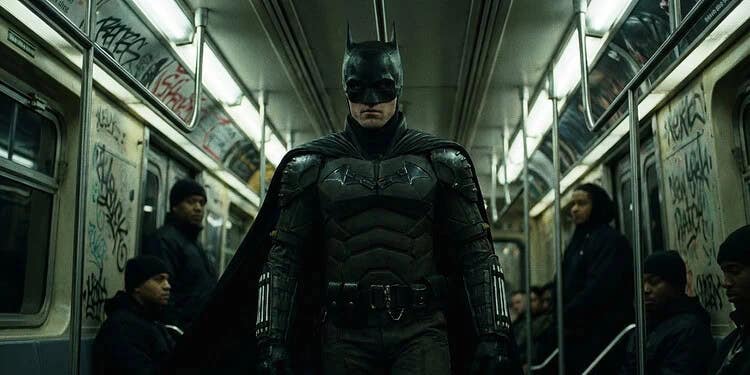
Seeing Batman on a Milan train doubled acts of kindness (CREDIT: Warner Bothers)
Holding a door or giving up a bus seat feels small. Yet those moments build trust between strangers. Psychologists call them prosocial acts. They happen for many reasons, from empathy to social pressure. Now, a new study suggests another trigger can play a role: surprise.
Researchers from the Università Cattolica del Sacro Cuore in Italy found that when something unexpected appears during a daily routine, people become more likely to help. Their proof came from an unlikely place, a crowded subway car. And the unexpected guest wore a cape.
The experiment unfolded in Milan, where trains run on tight schedules and riders move on instinct. Scientists wondered if breaking that pattern would change behavior. Their idea drew from mindfulness, which means paying attention to the present moment. Meditation can teach it, but a sudden odd sight might trigger a similar response. The team asked a simple question: Could a brief shock to the system make people kinder?
How the Test Worked Underground
Instead of a lab, the researchers chose real trains during busy times. In every test, a woman with a fake pregnancy belly boarded a crowded car and stood near seated riders. She never asked for help.
In half the rides, nothing else happened. In the others, a second researcher stepped in at the same time, dressed as Batman. He stood a few steps away and did not interact. The costume included the cape, logo and pointed headpiece but no full face mask.
Each ride lasted one stop, usually two to four minutes. The team only observed cars where all seats were filled and the woman stood within easy view. Observers watched from a distance and then moved to a new train to repeat the setup.
When someone stood to offer a seat, researchers asked for a quick reason. In the Batman rides, they also asked whether the person had noticed the costumed figure.
The Numbers Tell a Story
The team recorded 138 rides, 70 without Batman and 68 with him. The difference between the two scenes was stark.
When the superhero was absent, about 38 percent of riders offered their seat. When he was present, that rate jumped to just over 67 percent. In simple terms, people were nearly twice as likely to help when Batman rode along.
Statistics backed up the pattern. The presence of Batman strongly predicted whether help appeared. Riders were more than three times as likely to give up their seats when he stood nearby.
Who helped did not change much. Most helpers were women in both groups, and their estimated ages were similar, early forties on average. Why people helped also stayed steady. They cited duty toward a pregnant woman, safety or basic manners.
Here is the strange part. No one who gave up a seat said Batman influenced them. Nearly half said they did not even notice him.
A Moment That Wakes You Up
The study appeared in npj Mental Health Research, a Nature journal, and was led by Francesco Pagnini of the Università Cattolica del Sacro Cuore in Milan.
“We conducted an experimental field study on the Milan subway,” Pagnini said. The team observed behavior without tipping anyone off. “Our findings are similar to those of previous research linking present moment awareness to greater prosociality.”
The researchers believe surprise jarred riders out of mental autopilot. When a routine breaks, people may scan their surroundings again. That extra awareness can reveal a need they might miss.
They do not claim a sighting of Batman equals meditation. Instead, it likely caused a short shift in attention. That might be enough to notice a pregnant rider and choose to act.
Another idea centers on meaning. Superheroes represent bravery and rescue. Seeing one may remind people of values tied to helping. Studies on this type of mental priming have shown mixed results in the past. The team does not insist that symbolism alone did the work.
What seems clear is that the disruption mattered. Something odd entered a dull scene, and the mood changed.
Why Many Swore They Never Saw Him
The most curious finding was whether people noticed the cape. Many did not, or said they did not. Yet their behavior changed anyway.
The team suggests a ripple effect. In crowds, people often copy one another. When one rider becomes alert, that can spread. A few glances or quiet shifts after an odd event may reset the group’s attention, even for those who missed the cause.
Awareness, it seems, can be contagious.
A Hint for City Life
If a brief surprise can spark kindness, cities might use it. Art, short performances or playful signs could interrupt routine without causing stress. Such touches might not solve deep problems. But they could nudge people to look up and look around.
The study has limits. It took place in one city and used a well-known character. Results might differ elsewhere or with another surprise. Age and gender were guessed by sight, which is not perfect. And no one knows how long the effect lasts.
More research will test other settings and other forms of help. Future work may also track whether the glow fades fast or lingers.
A Cape With Quiet Power
No one became a hero that day. But a costume shifted dozens of choices.
A single moment of oddity made riders pause and notice. That pause led to seats offered and small acts of care.
In a crowded world, those pauses matter. And sometimes, a cape is all it takes to bring them back.
Research findings are available online in the journal npj Mental Health Research.
Related Stories
- Wild killer whales spotted sharing their food with humans in multiple acts of kindness
- Messages of kindness and peace from students around the world forms a chain 18 miles long
- Superheroes bring joy and smiles to hospitalized kids
Like these kind of feel good stories? Get The Brighter Side of News' newsletter.
Shy Cohen
Writer


