The Hidden Infrastructure Shaping Milano Cortina 2026’s Climate Strategy
Milano Cortina 2026 reshapes the Winter Games with renewable power, venue reuse and tighter snowmaking controls.

 Edited By: Joseph Shavit

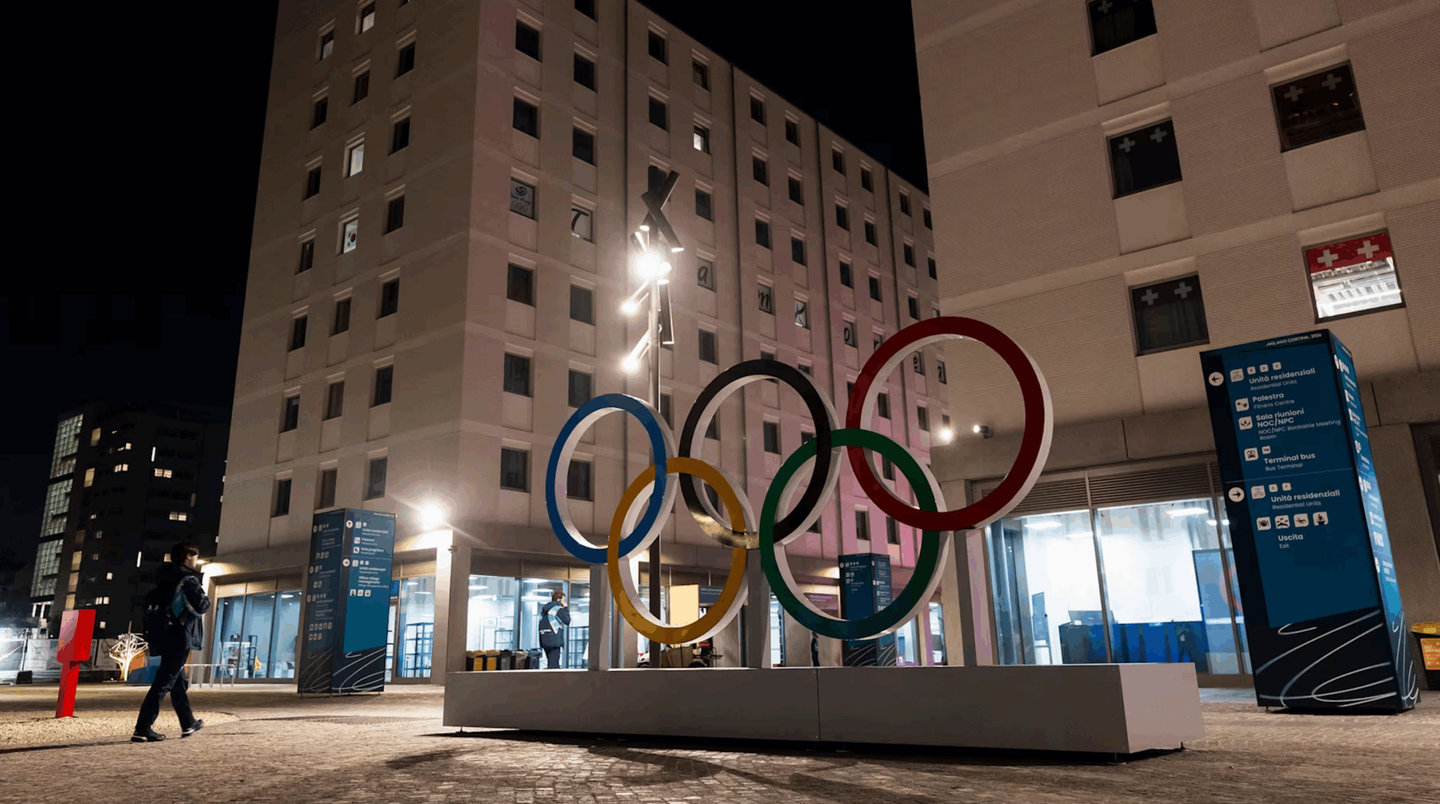
Milano Cortina 2026 uses existing venues, renewable energy and circular systems to reduce its climate footprint. (CREDIT: IOC/Alisha Lovrich)
Snow does not fall the way it once did.
In northern Italy’s alpine valleys, winter still draws skiers to Bormio and cross-country athletes to Val di Fiemme. Yet behind the postcard scenery, climate pressure has forced organizers to rethink how a Winter Games operates. Milano Cortina 2026 is emerging as a test of whether a global sporting event can reduce its footprint while still delivering world-class competition - a shift that is no longer optional for the International Olympic Committee.
“Sustainability is not a word. It’s actions that translate into results,” said Christophe Dubi, IOC Executive Director of the Olympic Games, during a sustainability press conference at the Milano Cortina 2026 Main Press Centre. “For the IOC, for sport in general, sustainability is a priority. We don’t have the choice.”
Built Around What Already Exists
Rather than centralize events in one newly built Olympic park, Milano Cortina 2026 spreads competitions across northern Italy. Eleven of the thirteen competition venues are either existing sites or temporary structures. Locations such as Bormio, Val di Fiemme and Anterselva already host international winter sport events.
That decision reduces new construction and long-term land disruption. The Games are designed around venues that have proven track records, rather than buildings constructed solely for a single edition - a more practical approach.
Organizers describe the approach as tailored to local conditions. The aim is to deliver strong sporting conditions while limiting environmental strain in a warming climate.
Electricity, Transport and a Smaller Fleet
Energy use remains one of the largest factors in the footprint of a Winter Games. Across almost all competition and non competition venues, certified renewable electricity will provide power. Temporary generators are limited to emergency situations, and most operate on the renewable biofuel HVO.
Mobility plans reflect the same mindset. With events distributed across regional clusters, public and collective transport take priority. Trains and shuttle systems are meant to reduce private car use among spectators and workforce members.
The official vehicle fleet will also shrink - a 20 percent reduction compared to Torino 2006. Also, about 20 percent of the vehicles are electric, and carpooling is encouraged. Where possible, vehicles run on HVO rather than conventional fuel.
The shift is incremental rather than radical. But the direction is clear.
Snowmaking Under Tighter Control
Snow production often draws scrutiny at Winter Games. Milano Cortina 2026 plans to keep snowmaking to the minimum required to ensure safe competition.
Updated systems aim to improve efficiency in both energy and water use. Renewable electricity powers snowmaking at ski venues. Organizers are using IT tools, including GPS and snow-depth systems, to avoid overproduction.
Food-grade dyes mark courses to avoid chemicals.
In an era of unpredictable winters, finding the right balance has become central to the survival of winter sport.
Circular Systems and Regional Resilience
Sustainability extends beyond snow and power lines.
Food leftovers from venues are being recovered and redistributed. Roughly 24,000 items from Paris 2024, including furniture and logistical equipment, are being reused for Milano Cortina 2026. That reduces demand for new materials and supports a more circular delivery model.
“The focus is on practical measures that last throughout the Games, from venue reuse to circular economy solutions and social responsibility,” said Gloria Zavatta, Sustainability & Impact Director of the Fondazione Milano Cortina 2026.
Organizers are also accelerating upgrades to electricity systems, IT fiber connections and medical services in host regions. These improvements are framed not as temporary Olympic boosts, but as investments in long-term resilience.
“Our focus is on reducing the footprint of the Games while helping host regions adapt to the changing climate and strengthen long-term resilience,” said Julie Duffus, IOC Head of Sustainability.
That framing matters. The conversation has shifted from short-term mitigation to adaptation.
A Broader Climate Push Across Sport
The IOC’s strategy extends beyond Milano Cortina. The organization says it is on track to reduce its own carbon footprint by 50 percent by 2030. It works with International Federations, National Olympic Committees and partners, including the United Nations, to promote climate and nature action across sport.
Last week’s IOC Climate Action Award winners were presented as examples of how climate work can scale across the Olympic Movement.
Winter sport now sits at the center of that urgency. Rising temperatures and unstable snow patterns threaten traditional competition calendars. Host cities face growing costs linked to artificial snow and energy demand.
Milano Cortina 2026 does not claim to solve those pressures. Instead, it presents a model built on reuse, renewable energy, transport shifts and tighter resource control.
The Games will still draw global attention. Athletes will still compete on snow and ice. But the infrastructure behind them looks different from earlier decades.
The original story "The Hidden Infrastructure Shaping Milano Cortina 2026’s Climate Strategy" is published in The Brighter Side of News.
Related Stories
- What Olympic Coverage Reveals About Who Belongs in America
- Simone Biles’ Olympic fame is helping the next generation to achieve their dreams
- At what age do Olympic athletes peak?
Like these kind of feel good stories? Get The Brighter Side of News' newsletter.