Warming ice awakens microbes that could speed climate change
As frozen ground thaws worldwide, microbes are releasing carbon and contaminants, creating powerful feedbacks that could accelerate climate change.

 Edited By: Joseph Shavit

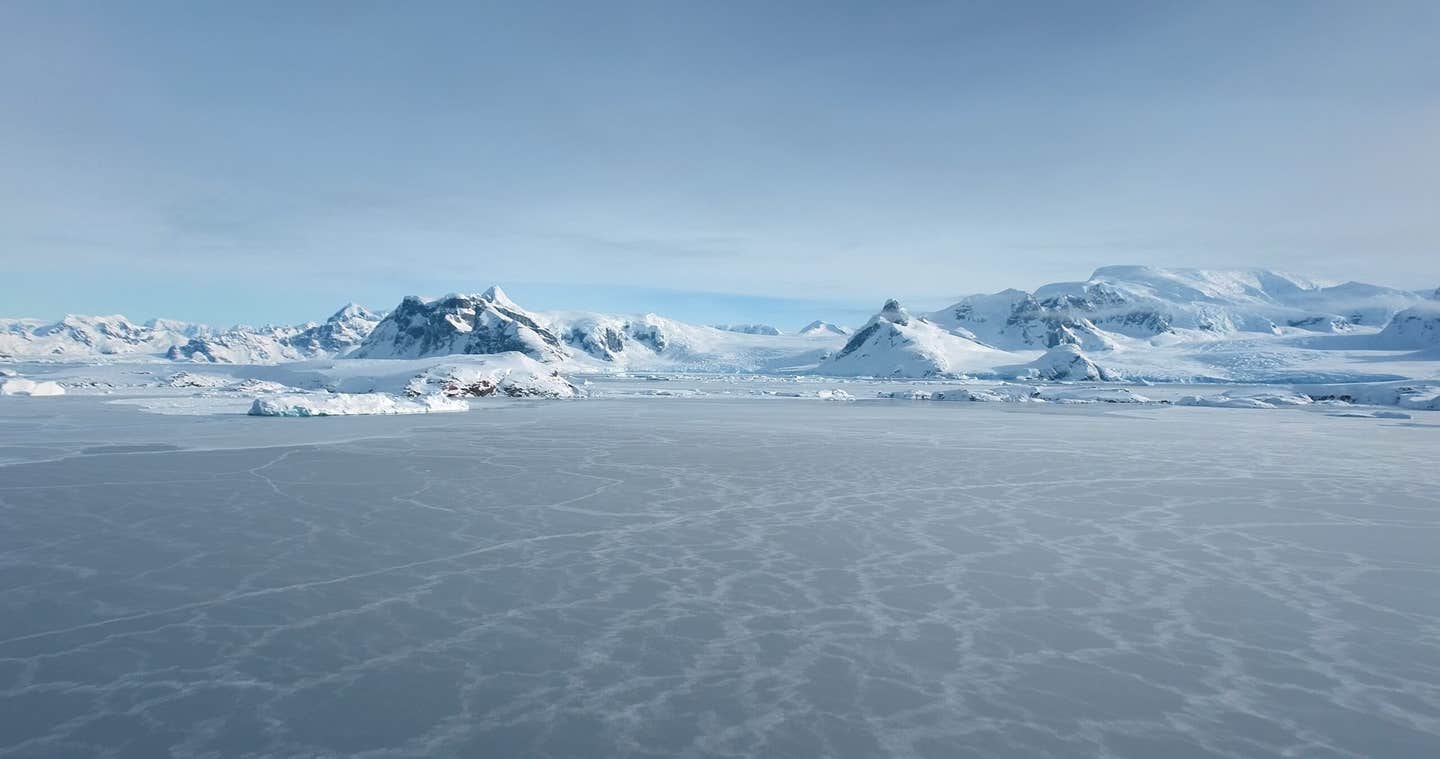
Thawing ice is activating microbes that release carbon and toxins, creating new risks for climate and communities. (CREDIT: Shutterstock)
Across the coldest places on Earth, something quiet but powerful is happening beneath your feet and under the ice. As glaciers shrink, sea ice thins, and once-solid ground softens, tiny living organisms are waking up. These microbes, long slowed by extreme cold, are becoming more active.
A sweeping international review led by McGill University shows that this change could speed up climate change and affect human life far beyond polar regions.
The research draws together data from polar, subpolar, and high mountain regions around the world. It shows that warming temperatures are boosting microbial activity in frozen soils, ice, and snow. As these organisms speed up their metabolism, they break down ancient organic material and release greenhouse gases like carbon dioxide and methane. Those gases then rise into the atmosphere, adding fuel to a warming planet.
You may never see these microbes, but their impact is growing. The frozen parts of Earth, known as the cryosphere, store massive amounts of carbon locked away for thousands of years. When ice melts and soils thaw, microbes gain access to food and warmth. That combination changes everything.
Scott Sugden, a study co-author and doctoral student in the Polar Microbiology Lab at McGill University, says these systems are changing faster than scientists can fully track. “Cold-climate microbial ecosystems are poised for rapid change,” he said. “We know these changes will have significant consequences not only for the global carbon cycle, but also for human communities, food and income security, and toxin release.”
Why Thawing Ground Fuels Microbial Growth
For most of human history, frozen landscapes kept microbial life on pause. Low temperatures and limited nutrients held these organisms back.
The review found that across dozens of studies, two patterns kept appearing. In frozen environments, microbes are limited by both cold and lack of food. Once thaw begins, those limits ease.
As ice melts, nutrients move more freely through soil and water. Microbes respond quickly. Their metabolism speeds up, meaning they consume organic matter faster. That process releases carbon that had been stored safely in frozen ground. You can think of it as opening a long-sealed pantry. Once the door opens, everything inside becomes fair game.
Sugden said these patterns appeared again and again across regions and ecosystems. “These two general truths about food and temperature emerged consistently across dozens of studies, dozens of ecosystems,” he said.
The effects are not uniform. Oxygen levels matter. So does moisture. Some thawed areas become wetter, while others dry out. Those differences shape which microbes thrive and how much gas they release. Wet, low-oxygen soils often favor methane-producing microbes. Methane is far more potent than carbon dioxide over short time periods.
More Than Carbon at Stake
The review makes clear that carbon is not the only concern. As permafrost thaws, it can also release harmful substances that were locked away in frozen soil. Mercury is one example. Once freed, it can move through meltwater into rivers and lakes. From there, it can enter food webs and affect wildlife and people far from the original source.
This means changes in the Arctic or high mountains do not stay local. What happens in frozen regions can ripple outward through water systems, ecosystems, and economies. Communities that depend on fishing, hunting, or clean water may feel these effects first.
Microbial changes also influence how nutrients move through landscapes. They can affect plant growth, soil stability, and even how coastlines respond to warming. In places where glaciers retreat, newly exposed ground becomes a testing ground for new microbial communities. Those early changes can shape how the land stores or releases carbon for decades.
Gaps in Knowledge Limit Climate Forecasts
Scientists have long known that physical changes, like melting ice, drive climate change. What this review highlights is how much living systems matter too. Yet polar microbiology is still a young field. Most baseline data only go back about 20 years.
“Unlike other fields where you can look back at a documented species over centuries, we do not have that long time horizon,” Sugden said. “Our first pieces of data come from the early 2000s.”
That short record makes it hard to predict long-term trends. The review also points to practical limits on research. Many studies focus on areas that are easier to reach and already have research stations. Vast stretches of the Arctic and Antarctic remain poorly studied.
Extreme weather and long winter darkness limit fieldwork. Short-term funding often restricts studies to a few seasons. That makes it difficult to see slow but important changes over time.
Christina Davis, a study co-author and postdoctoral researcher in Astrobiology and Extraterrestrial Biosignatures, says progress does not always require expensive tools. “We can’t demand millions of dollars to study every site,” she said. “But if you’re a polar researcher, you could bring a thermometer to the field. These small, consistent data points can make a big difference.”
Sugden agrees. “More data of any kind is good data,” he said.
Why These Tiny Organisms Matter to You
Polar and alpine regions are warming faster than most of the planet. In some Arctic areas, temperatures are rising more than twice as fast as the global average. Because these regions hold so much frozen carbon, small biological changes can have outsized effects.
Microbes act as hidden drivers in this system. Their response to warming can amplify climate change through feedback loops that current climate models do not fully capture. If microbial emissions rise faster than expected, efforts to limit warming become even more urgent.
The review shows that climate change is not only about ice melting or seas rising. It is also about life responding to new conditions. These responses can shape the future in ways that are still coming into focus.
Practical Implications of the Research
This research helps scientists better understand how climate change may accelerate itself through biological processes. By improving knowledge of microbial activity in frozen regions, climate models can become more accurate. That can guide policy decisions, emission targets, and adaptation planning.
The findings also highlight risks to water quality, food safety, and community health from released contaminants like mercury. Better monitoring can help protect ecosystems and the people who depend on them.
In the long term, understanding these microbial systems may help researchers find ways to manage or slow harmful feedbacks. It also underscores the urgency of limiting warming now, before irreversible changes spread through Earth’s coldest regions.
Research findings are available online in the journal Nature.
Related Stories
- Meet Grue Jay: Rare hybrid offspring of a blue jay and a green jay born of climate change
- Climate change nearly wiped out early humans 900,000 years ago
- Antarctica’s buried landscape may be slowing climate change, study finds
Like these kind of feel good stories? Get The Brighter Side of News' newsletter.
Rebecca Shavit
Writer
Based in Los Angeles, Rebecca Shavit is a dedicated science and technology journalist who writes for The Brighter Side of News, an online publication committed to highlighting positive and transformative stories from around the world. Her reporting spans a wide range of topics, from cutting-edge medical breakthroughs to historical discoveries and innovations. With a keen ability to translate complex concepts into engaging and accessible stories, she makes science and innovation relatable to a broad audience.