Wearable polygraph tracks hidden stress signals without wires
Northwestern engineers created a soft wearable polygraph that tracks stress, sleep and discomfort through body signals.

 Edited By: Joseph Shavit

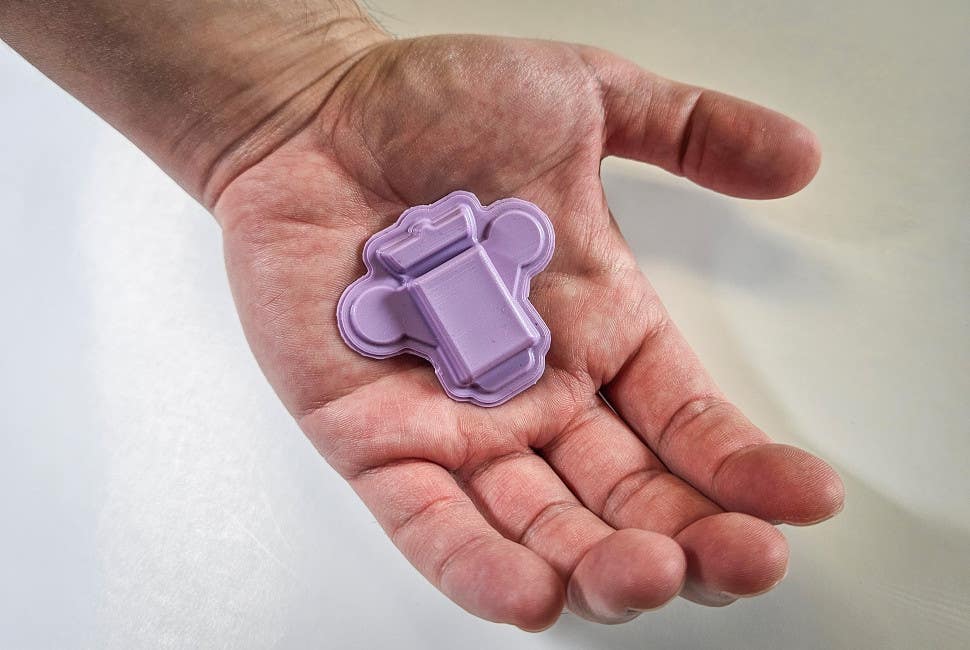
A wireless chest sensor from Northwestern University can track stress signals in real time, offering hope for infants and vulnerable patients. (CREDIT: Northwestern)
Stress can live in your body before your mind has words for it. Your heart shifts. Your breathing changes. Sweat glands wake up. Blood flow and skin temperature move in quiet patterns that can say something is wrong.
Northwestern University engineers have now built a small wireless device that listens to those signals at once. The soft, bandage-like sensor sticks to the chest and works like a wearable polygraph. But it is not designed to catch lies. It is built to detect stress, pain and discomfort without wires, blood tests or saliva samples.
The device measures heart activity, breathing, sweat response, blood flow and temperature. Together, those signals offer a fuller view of how the body reacts under pressure.
“Sometimes, the body manifests signs of stress before a person is consciously aware of it,” said Northwestern’s John A. Rogers, who led the device development.
A Softer Way To Measure Stress
The project began with a request from pediatricians at Ann & Robert H. Lurie Children’s Hospital of Chicago. They wanted a gentle way to track stress in babies during hospital stays. Infants cannot explain pain, fear or discomfort. Doctors and nurses often rely on crying, movement, facial cues and basic vital signs.
Those signs can help, but they can also be hard to read. A quiet baby may still feel stress. A crying baby may feel pain, hunger or fear. Rogers’ team wanted to take some guesswork out of those judgments.
“Stress is often scored using survey sheets and nursing assessments,” Rogers said. “The entries include things like tonality and volume of crying. Infants obviously cannot describe their own pain levels. So, unlike with adults, determining stress in babies can be incredibly challenging. We wanted to take subjectivity out of these assessments.”
The device weighs less than 8 grams, about the weight of eight paper clips. It can run for more than 24 hours and sends data wirelessly to a phone, tablet or smart watch.
How The Device Works
Traditional polygraphs use several bulky wired sensors. They monitor signals like breathing, heart activity and sweat response. Rogers’ team took that basic concept and compressed it into one soft platform.
A tiny microphone and motion sensor capture mechanical and sound signals from the heart and lungs. Other sensors track skin temperature and heat flow linked to blood circulation. Another sensor measures electrical changes in the skin caused by sweat glands.
Those measurements matter because stress is not one signal. It is a whole-body state. A single marker can miss the picture or mistake movement for stress.
“Measuring stress is a complex task because it’s multi-dimensional,” Rogers said. “It’s not possible to reliably determine stress by measuring just one or two, or even three or four, parameters.”
Machine learning tools then study the synchronized data streams. The system can identify patterns tied to stress in real time.
Tested in Real-World Scenarios
The team tested the wearable in several settings. During simulated lie-detector tests, it captured stress responses from sensitive questions. Its results closely matched commercial polygraph systems.
In mental challenge tests, participants listened to speech in noisy conditions. As the task became harder, the wearable detected stronger stress signals. Those changes matched pupil dilation, another independent marker of stress.
In another test, participants placed their hands in ice-cold water. The device recorded linked changes in heart activity, breathing, sweat and temperature. These reactions showed how the body responds to physical stress.
The system also performed well in pediatric sleep studies. It detected breathing problems and nighttime awakenings with accuracy similar to hospital-grade sleep tests. But it did so with far less equipment.
Helping Patients Who Cannot Speak
The most emotional promise may come in patients who cannot explain what they feel. That includes infants, elderly patients, critically ill people and those with communication limits. For these groups, hidden stress can go untreated.
“This new device tracks the body’s stress signals around the clock, helping quantify how long someone is stressed each day and how intense that stress is,” said Dr. Debra E. Weese-Mayer.
The device could also help doctors monitor sleep disorders without keeping patients tied to many wires. It may support mental health tracking over time. It could even flag early warning signs before complications become obvious.
During emergency room training with medical students, the wearable revealed another important pattern. Students with stronger stress responses tended to perform worse. That suggests stress may affect decision-making during high-pressure care.
What Comes Next
The team now plans larger clinical tests. Researchers want to personalize stress detection for different people. They also hope to integrate the device into hospitals and at-home monitoring systems.
Rogers is exploring more sensors, including brain activity monitoring through electroencephalogram, or EEG. That could help researchers compare how the brain experiences stress with how the body expresses it.
This may one day help separate pain from stress. That would matter deeply for babies, patients with disabilities and people recovering at home.
“We are living in stressful times, without sufficient measures to proactively detect stress,” Weese-Mayer said. “By identifying stress, whether environmental or disease-induced, earlier, we can introduce intervention before stress’ effects become irreversible.”
Practical Implications of the Research
This research could give doctors a more objective way to measure stress in people who cannot clearly communicate. That may improve care for newborns, children, older adults and critically ill patients. It could also help caregivers see when a patient needs comfort, pain relief or medical attention.
The device may make sleep testing easier and less disruptive. It could bring hospital-quality monitoring into homes, clinics and long-term care settings. Over time, it may also help people understand how stress affects their health, performance and recovery.
For research, the system gives scientists a tool to study stress as it happens. By measuring many body signals at once, it may reveal patterns that single-sensor devices miss. That could support better treatments for stress-related illness, pain, sleep disorders and mental health conditions.
Research findings are available online in the journal Science Advances.
The original story "Wearable polygraph tracks hidden stress signals without wires" is published in The Brighter Side of News.
Related Stories
- Positive thinking helps with stress management and can even improve your health
- Scientists discover a stress clock in the brain that ticks every hour
- Hair can help predict children’s stress, anxiety and depression
Like these kind of feel good stories? Get The Brighter Side of News' newsletter.
Shy Cohen
Writer