Why do many patients develop scarring after cataract surgery?
A new study uncovers how a protein buildup in lens cells drives cataract scarring and vision loss, pointing to future drug therapies.

 Edited By: Joseph Shavit

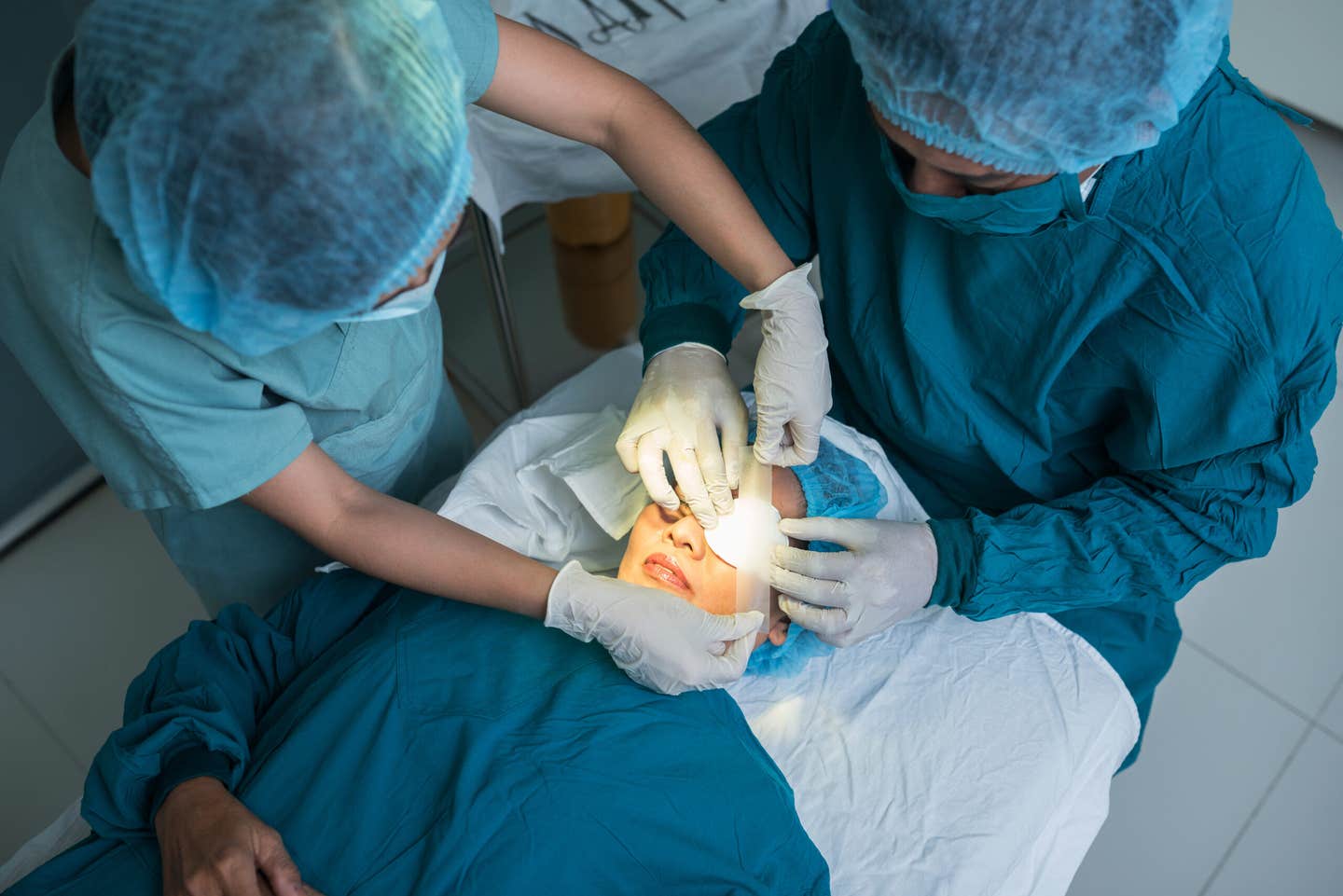
New research reveals how NR2F1 triggers lens scarring and cataracts, opening the door to non-surgical treatments. (CREDIT: Shutterstock)
Cataracts remain one of the world’s leading causes of vision loss, touching nearly every family at some point. Even when surgery restores sight, the relief does not always last. Many patients develop scarring beneath the lens that clouds vision again and limits recovery. A new study now brings clarity to why that happens and points toward a future beyond surgery.
Researchers have identified a protein called NR2F1 as a central driver of lens cell damage and fibrotic scarring. The findings reveal how a breakdown in a cell’s internal cleanup system allows this protein to build up, setting off a chain reaction that darkens the lens. The study was led by scientists at Chongqing Medical University and Chongqing General Hospital.
At the heart of the discovery is a simple but powerful idea. When lens cells fail to clear out excess proteins, NR2F1 accumulates. That buildup activates another signal, known as STAT3, which pushes cells toward scarring, death, and clouding of the lens. When researchers blocked NR2F1, those damaging changes slowed or even reversed in animal models.
“Our study uncovers a critical link between autophagy dysfunction and fibrotic cataract formation,” said Prof. Wenjuan Wan, the study’s senior author. “By identifying NR2F1 as a direct activator of the STAT3 pathway, we've revealed a powerful mechanism that fuels lens fibrosis and cell death.”
Why Cataracts Return After Surgery
Cataracts form when the clear lens of the eye becomes cloudy, blurring vision and dulling color. Surgery can replace the lens, but many patients later develop anterior subcapsular cataracts. This condition involves fibrotic plaques growing beneath the lens capsule. These plaques scatter light and distort vision.
The scarring process begins when lens epithelial cells change their identity. Instead of staying smooth and orderly, they turn mobile and fibrous. Scientists call this epithelial to mesenchymal transition, or EMT. It often starts after surgery and is difficult to control.
Transforming growth factor beta, known as TGF beta, has long been linked to this shift. Yet the steps that follow remained unclear. The new study fills in those missing pieces and shows how NR2F1 sits at the center of the process.
When Cellular Cleanup Fails
Healthy cells rely on autophagy, a recycling system that removes damaged parts and excess proteins. In lens cells exposed to TGF beta, that system falters. The researchers found that autophagy slowed, allowing NR2F1 protein to pile up inside the cell.
What surprised the team was how NR2F1 behaved. While the gene’s messenger RNA levels dropped, the protein itself rose. That mismatch pointed to a failure in protein removal rather than overproduction.
When the researchers blocked autophagy directly, NR2F1 levels climbed even higher. This confirmed that faulty cleanup, not gene overactivity, caused the buildup. Once present in excess, NR2F1 began pushing cells down a damaging path.
A Signal That Drives Scarring and Cell Death
The team next looked at what NR2F1 does inside the cell. They discovered that it binds directly to the control region of the STAT3 gene. This binding activates STAT3, switching on signals that promote fibrosis, cell movement, and programmed cell death.
In lab-grown human lens cells, silencing NR2F1 slowed EMT. Levels of fibrotic markers dropped sharply. Cell migration decreased. Fewer cells showed signs of dying. The same pattern appeared in mouse models of anterior subcapsular cataracts.
In those animals, researchers injected an adeno-associated virus designed to silence NR2F1. The results were visible to the naked eye. Treated lenses stayed clearer and developed fewer fibrotic plaques than untreated ones.
Blocking STAT3 produced similar benefits. When researchers used a STAT3 phosphorylation inhibitor, fibrotic and apoptotic signals fell. This confirmed that NR2F1 drives damage largely through the STAT3 pathway.
Seeing Cataracts as a Treatable Disease
The findings change how cataracts can be viewed. Rather than an unavoidable clouding fixed only by surgery, certain cataracts now appear driven by specific molecular errors. Those errors may be corrected.
“What’s most exciting is the translational potential,” Wan said. “By blocking this pathway, we were able to significantly reverse cataract symptoms in animal models.”
That possibility matters deeply. Cataract surgery remains one of the most common procedures worldwide, yet access remains uneven. In many regions, surgery is delayed or unavailable. Even where surgery is routine, fibrotic complications limit outcomes.
A therapy that prevents scarring at the molecular level could protect vision before surgery is needed or preserve results afterward. It could also reduce repeat procedures and long-term vision problems.
Broader Meaning Beyond the Eye
NR2F1 has appeared in studies of fibrosis in other tissues, including cancer and organ scarring. The link to STAT3, a major signaling hub in the body, suggests this pathway may influence disease far beyond the lens.
By tying together autophagy failure, protein buildup, and fibrotic signaling, the study offers a framework that other fields may follow. It also highlights how small disruptions inside cells can lead to large, visible damage over time.
The work does not end here. More studies are needed to test safety, timing, and delivery in humans. Yet the foundation is now firm.
Practical Implications of the Research
This research opens the door to drug-based treatments that prevent or slow cataract progression by targeting NR2F1 or STAT3. Such therapies could reduce reliance on surgery and improve outcomes after lens replacement.
The findings also guide future research into fibrotic diseases in other organs, where similar pathways may operate.
By addressing the root molecular causes of tissue scarring, this work may help protect vision and improve quality of life for millions worldwide.
Research findings are available online in the journal Genes & Diseases.
The original story "Why do many patients develop scarring after cataract surgery?" is published in The Brighter Side of News.
Related Stories
- Lifechanging cataracts treatment eliminates the need for surgery
- Spiral-shaped lenses revolutionize cataracts and vision treatment
- New eye drops could replace reading glasses for millions
Like these kind of feel good stories? Get The Brighter Side of News' newsletter.
Mac Oliveau
Writer
Mac Oliveau is a Los Angeles–based science and technology journalist for The Brighter Side of News, an online publication focused on uplifting, transformative stories from around the globe. Passionate about spotlighting groundbreaking discoveries and innovations, Mac covers a broad spectrum of topics including medical breakthroughs, health and green tech. With a talent for making complex science clear and compelling, they connect readers to the advancements shaping a brighter, more hopeful future.