Your eyes and emotions help shape your sense of temperature, study finds
Study shows greener, more attractive bus stops make riders feel cooler and more comfortable, even when heat levels stay high.

 Edited By: Joseph Shavit

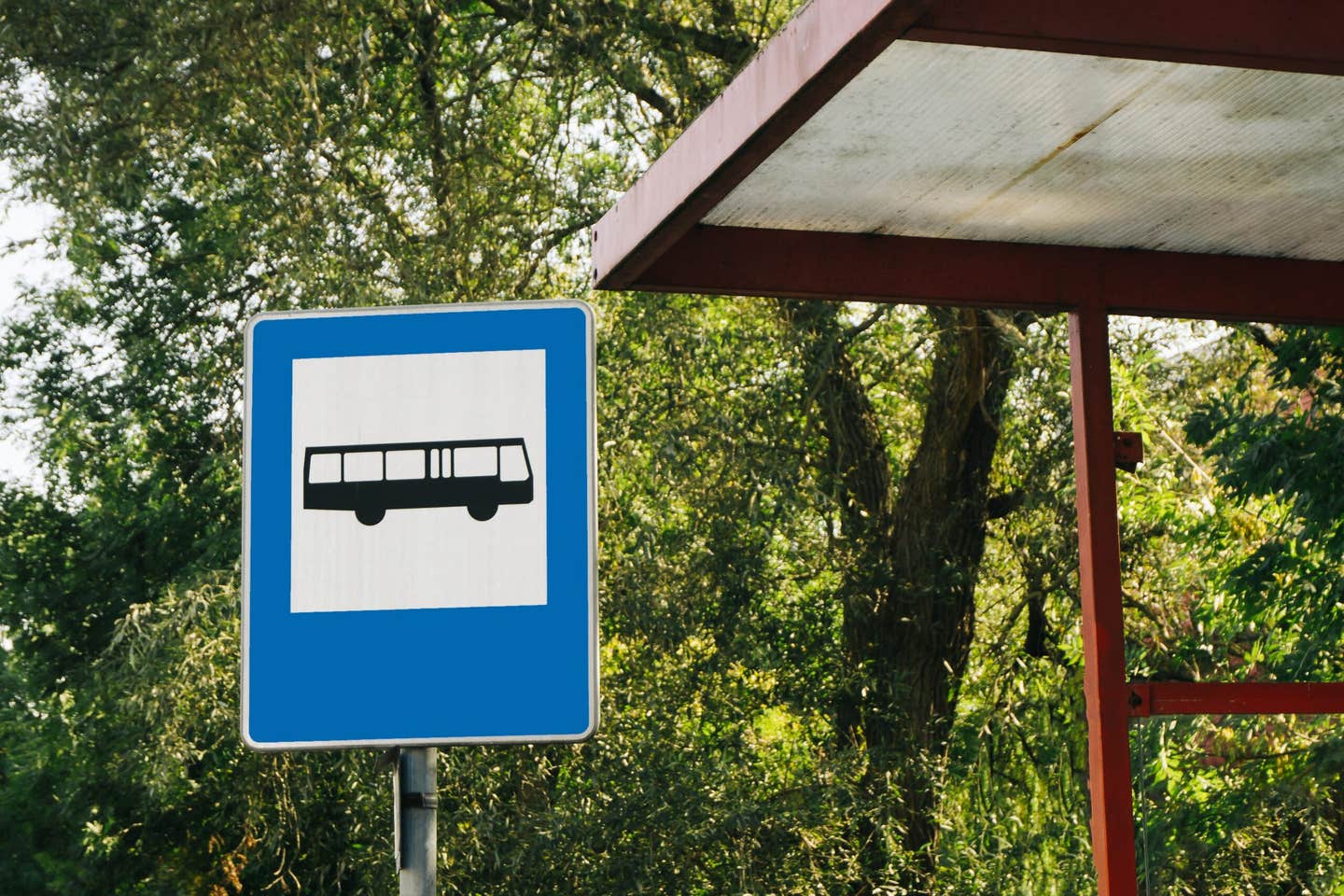
A University of British Columbia study finds that riders feel cooler at visually pleasant, greener bus stops, showing that design and trees can soften the sting of extreme urban heat without changing the actual temperature. (CREDIT: Shutterstock)
Standing at a bus stop on a blazing afternoon, it is easy to blame the heat alone for your discomfort. But a new study from the University of British Columbia suggests something more subtle is at work. What you see while you wait, from trees to open views, can change how that heat feels on your skin.
This research shows that people who find a bus stop visually pleasant are more likely to feel thermally comfortable, even when real heat levels are high. In other words, your eyes and emotions help shape your sense of temperature.
Looking Good, Feeling Less Hot
The study focused on 60 bus stops across Denver, Colorado, a semi arid city that is facing more extreme heat. Researchers did not just check the weather report. They set up instruments at each stop to record local conditions, including air temperature, radiant heat from surfaces and sunlight, and indices that estimate how much heat stress your body is under.
At the same time, they surveyed riders as they waited. People were asked how hot they felt, how comfortable they were overall, and how visually pleasant they found the stop. The team wanted to see whether those personal ratings lined up with the physical data.
They found that visual appeal was one of the strongest predictors of how comfortable people said they felt, right alongside the actual heat measures. When riders thought a stop looked good, they were more likely to say they felt thermally comfortable, even when the instruments recorded high heat stress.
“Our findings show that thermal comfort is not just about air temperature or shade,” said lead author Logan Steinharter, who conducted the work as a master’s student in the faculty of forestry. “How people perceive a space, its openness, greenery and overall look, can meaningfully influence how comfortable they feel, particularly under extreme heat.”
The Mind’s Role in Heat Experience
The researchers found that even at hotter stops, comfort rose when people liked what they were looking at. A visually appealing setting did not lower actual exposure, but it changed the way that exposure was experienced. Your body may still be hot, yet your brain judges the situation as more bearable.
"This finding suggests that thermal comfort is both physical and psychological. Instruments can tell one story, but your senses and feelings tell another. When those two stories conflict, perception can soften the hard edges of a brutal day," Steinharter shared with The Brighter Side of News.
"This is not a license to ignore physical risk. Someone can feel fine and still face dangerous heat. But the work shows that the emotional layer of comfort is not a minor detail for riders. It shapes whether waiting for a bus feels like a small pause or an exhausting trial," he continued.
Why Greenery Changes the Wait
To understand what makes some stops more visually pleasant, the team examined the features around each location. They measured tree canopy cover and how much vegetation riders could see from where they stood. Those simple landscape details turned out to matter a lot.
Bus stops with more overhead tree cover and richer views of plants were rated as more visually pleasant. People tended to like places where branches, leaves and other greenery softened the hard lines of pavement and buildings.
By contrast, basic shelters without much surrounding green tended to score lower on aesthetic appeal. The researchers did not argue against shelters; they simply noted that a metal roof alone did not guarantee a positive experience. Shade is crucial, but so is the way that shade is framed and supported by the rest of the scene.
“This highlights a design challenge, not a simple solution,” said senior author Dr. Melissa McHale, an associate professor of urban ecology and sustainability. “Shelters are important, but design choices matter. The way infrastructure looks and feels can influence people’s experience of heat, even when physical exposure remains high.”
Rethinking Transit Spaces in a Hotter World
Across North America, cities are trying to keep transit safe and usable as heat waves grow more frequent. People who rely on buses often have fewer options to escape the sun and may already face other health and financial stresses. For them, the quality of a bus stop is not cosmetic; it is part of daily survival.
The study points to a more complete way of designing those public spaces. Cooling strategies such as shade trees, reflective materials and well placed shelters still matter. At the same time, visual quality and a sense of pleasantness should sit near the top of the list, not at the bottom as optional extras.
Dr. McHale, who was recently awarded a $1 million Wall Fellowship to help British Columbia communities adapt to a hotter, drier and more fire prone future, put it this way: “Green infrastructure does not replace the need to reduce heat exposure. But it plays a meaningful role in shaping how people experience heat in everyday public spaces. If we want transit systems that are both climate resilient and people centred, we need to think beyond bare bones infrastructure and consider the full experience of waiting for transit.”
The research makes clear that planting trees and adding green space are not magic fixes for heat risk. Aesthetics alone cannot stop heat stroke or protect a vulnerable person during an extreme event. Yet they can make the day to day reality of a warming city feel less harsh, especially for those who spend a lot of time outdoors.
In a future where summer heat will press harder on streets and sidewalks, the simple act of making bus stops greener, more open and more visually soothing could help your next wait feel a little less punishing. It turns out that comfort, in the end, is not only a number on a thermometer, but also the story your senses tell you while you stand in the sun.
Practical Implications of the Research
This study suggests that cities can improve people’s experience of heat at bus stops by pairing physical cooling with thoughtful design. Adding trees and visible vegetation around transit stops can raise aesthetic appeal, which in turn increases how thermally comfortable riders say they feel, even on very hot days. For planners, that means that street trees, planted medians and small patches of green near shelters are not just decorative; they are part of heat adaptation.
Transit agencies can use these findings to rethink where and how they invest in shelters. A simple metal frame may provide shade, but combining it with planting beds, nearby canopy trees and careful attention to views can create stops that feel more welcoming. When people feel better at a stop, they may be more likely to keep using transit during heat waves, which supports equity and reduces car use.
For researchers, the work highlights the importance of combining micrometeorological data with on site surveys of how people actually feel. Future studies can test similar links between aesthetics and thermal comfort in other public spaces, such as playgrounds, plazas and school yards, to guide wider climate resilience efforts.
On a human level, the findings underline a hopeful point. In a warming world, comfort does not depend only on large scale engineering. Some relief can come from smaller, local choices about how the places you use every day look and feel.
Research findings are available online in the journal Urban Climate.
Related Stories
- Amazon’s tallest trees are thriving, defying climate predictions
- Trees anticipate and synchronize their behaviors to solar eclipses
- Trees can provide early warning of volcanic eruptions, NASA finds
Like these kind of feel good stories? Get The Brighter Side of News' newsletter.
Hannah Shavit-Weiner
Medical & Health Writer
Hannah Shavit-Weiner is a Los Angeles–based medical and health journalist for The Brighter Side of News, an online publication focused on uplifting, transformative stories from around the globe. Passionate about spotlighting groundbreaking discoveries and innovations, Hannah covers a broad spectrum of topics—from medical breakthroughs and health information to animal science. With a talent for making complex science clear and compelling, she connects readers to the advancements shaping a brighter, more hopeful future.