Zebrafish reveal how environment influences social behavior in autism
Zebrafish with autism-related gene mutations show improved social behavior in safer environments, highlighting the power of context.

 Edited By: Joseph Shavit

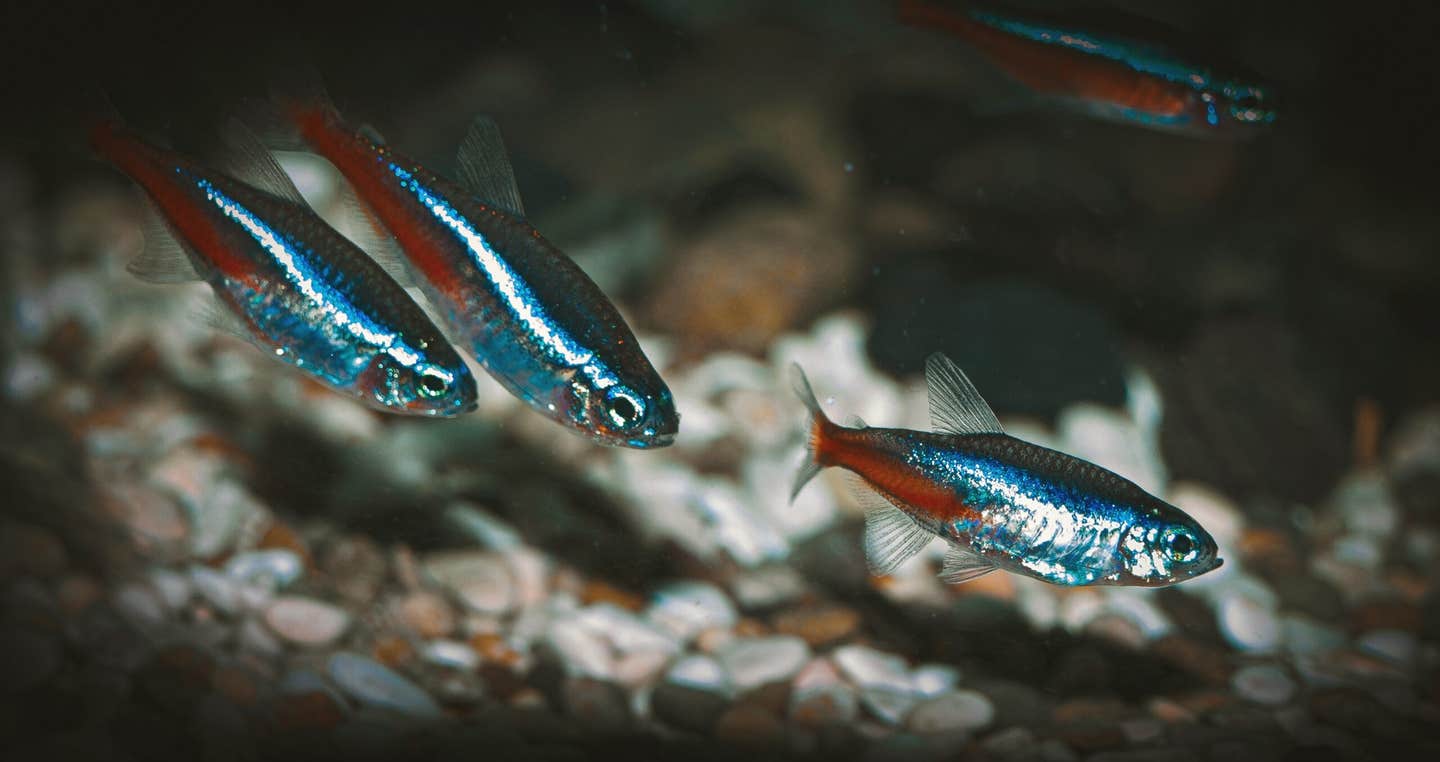
Research using zebrafish shows how environmental changes can improve social behavior in autism spectrum disorders. (CREDIT: Shutterstock)
Your surroundings may influence your social behavior more than you realize. New research from the Brain Research Institute at Niigata University in Japan suggests that environmental context can directly alter how individuals with autism spectrum disorder (ASD)-like traits interact socially. Using zebrafish as a model, scientists have revealed that even small changes in surroundings can either heighten anxiety or encourage social engagement.
The study focused on a gene called ube3a, which is linked to Angelman syndrome and ASD in humans. Mutations in this gene affect neural development, behavior, and sensory processing. Researchers wanted to understand how environmental factors interact with these genetic predispositions to shape social behaviors.
While genetics clearly play a role in conditions like ASD, environmental influences are gaining recognition as critical contributors to behavior. Until now, however, little was known about how sensory experiences and surroundings might modify behaviors in genetically vulnerable individuals. This new study provides strong evidence that context can dramatically alter social responses, even when genetic mutations are present.
Stressful vs Safe Environments: How Context Changes Behavior
To explore this question, the team used zebrafish carrying a specific mutation in ube3a. These fish exhibit behaviors similar to human ASD models, including reduced social interactions and increased anxiety. Zebrafish are particularly useful for this research because they naturally form social groups and allow detailed measurement of brain activity during behavior tests.
The scientists tested the fish in two types of tank environments. One was a custom-made Styrofoam tank, colored bright white to trigger stress, as zebrafish tend to avoid white. The other was a Plexiglass tank resembling their breeding environment, designed to feel familiar and safe.
In the stressful Styrofoam tank, ube3a mutant fish spent far less time interacting with their peers and showed heightened anxiety. Standard behavioral tests, like the light-dark preference and novel tank diving tests, confirmed that the fish experienced increased anxiety, often retreating to darker areas or remaining at the bottom of the tank.
When placed in the safer Plexiglass tank, these same fish displayed remarkable improvements. They engaged more with other fish and showed fewer anxiety-like behaviors. “ube3a mutant zebrafish displayed less time spent in contact with their conspecifics and higher anxiety levels in the stressful Styrofoam container, but these behaviors improved when the test was conducted in a preferred acrylic tank,” said Dr. Godfried Dougnon, the study’s first author and assistant professor at Niigata University.
These results illustrate that environmental context can either exacerbate or ease social behavior difficulties in individuals with ASD-related genetic mutations.
Sensory Processing Drives Behavioral Changes
The researchers investigated why the environment had such a powerful effect. Using c-Fos in situ hybridization, a method that maps neural activity, they found that brain activity patterns differed significantly between stressful and safe settings. Specific regions of the brain that respond to visual stimuli and social interaction were affected by the environment.
Further analysis using RNA sequencing revealed that ube3a mutant fish had abnormal expression of genes linked to vision and sensory pathways. These differences likely made stressful environments seem more threatening, elevating anxiety and reducing social interaction. In safer surroundings, the sensory load decreased, allowing the fish to behave more normally.
“Brain activity mapping showed altered neural activity in specific regions, and transcriptomic analysis revealed increased expression of genes related to vision and sensory processing,” explained Dr. Hideaki Matsui, senior author and professor at the Brain Research Institute. These findings suggest that abnormal sensory perception, especially visual processing, contributes to heightened anxiety and social avoidance in challenging environments.
The study shows that sensory pathways are central to the link between environmental context and social behavior. How an individual perceives their surroundings — through sight, sound, and other senses — can directly affect how they feel and how they interact socially. This mirrors experiences reported by many people with ASD, for whom certain sensory inputs can be overwhelming or even distressing.
Environmental Adjustment as a Potential Therapy
These findings carry important implications for autism research and therapy. They suggest that social behavior is not entirely fixed by genetic predispositions. Instead, modifying environmental stimuli could help improve social engagement and reduce anxiety in individuals with ASD.
For example, creating sensory-friendly environments in classrooms, therapy centers, or homes could allow people on the spectrum to interact more confidently. Reducing overstimulating visual cues, bright lights, or unfamiliar textures might improve behavior and decrease stress. By considering the sensory experience of the individual, interventions can become more personalized and effective.
The study also challenges assumptions that certain autism-related behaviors are immutable. Even with a genetic mutation, context can shape behavior. This insight provides hope that interventions focusing on perception and environment may complement traditional therapeutic approaches targeting the brain directly.
Broader Insights Into Genes and Behavior
The research demonstrates a critical interplay between genes and environment. The ube3a mutation alone did not rigidly determine social behavior. Instead, environmental factors modulated how the mutation manifested, highlighting the importance of context in neurodevelopmental disorders.
The study also suggests that similar principles may apply in humans. Sensory processing differences are common in people with ASD. Just as zebrafish responded differently depending on their surroundings, humans may benefit from environments that reduce sensory overload and support social engagement. Understanding this dynamic could inform strategies for therapy, education, and daily living.
“Conditions often thought to be uniquely human, such as autism-like disorders, may also exist in fish,” Dr. Matsui noted. This realization reinforces that complex social behaviors and their environmental modulation are deeply rooted in biology, offering new avenues for research.
A Path Toward Translational Applications
While zebrafish are far from humans, the mechanisms uncovered provide a roadmap for exploring environmental interventions in people with ASD. Future research may focus on designing safe, predictable, and sensory-friendly spaces that reduce anxiety and enhance social learning. The hope is that manipulating environmental cues could improve quality of life, communication, and social interaction without the need for invasive therapies.
This study bridges genetics, brain function, and behavior, emphasizing that external factors matter. It illustrates that changing the world around an individual may sometimes be as impactful as changing the biology within.
Practical Implications of the Research
This research highlights that environmental context can directly influence social behavior in individuals with ASD-related genetic predispositions. By tailoring sensory experiences and surroundings, it may be possible to reduce anxiety and improve social engagement.
These insights could inform classroom design, therapy spaces, and daily living environments. They also suggest new directions for translational research, potentially leading to non-invasive interventions for neurodevelopmental disorders.
Ultimately, understanding how genes and environment interact can guide more personalized and effective strategies for supporting people with ASD.
Research findings are available online in the journal Nature.
Related Stories
- Taking acetaminophen during pregnancy not linked to autism or ADHD, study finds
- New gene therapy fixes brain disorders related to autism and epilepsy
- Autism may be the price of human brain evolution, study finds
Like these kind of feel good stories? Get The Brighter Side of News' newsletter.
Hannah Shavit-Weiner
Medical & Health Writer
Hannah Shavit-Weiner is a Los Angeles–based medical and health journalist for The Brighter Side of News, an online publication focused on uplifting, transformative stories from around the globe. Passionate about spotlighting groundbreaking discoveries and innovations, Hannah covers a broad spectrum of topics—from medical breakthroughs and health information to animal science. With a talent for making complex science clear and compelling, she connects readers to the advancements shaping a brighter, more hopeful future.