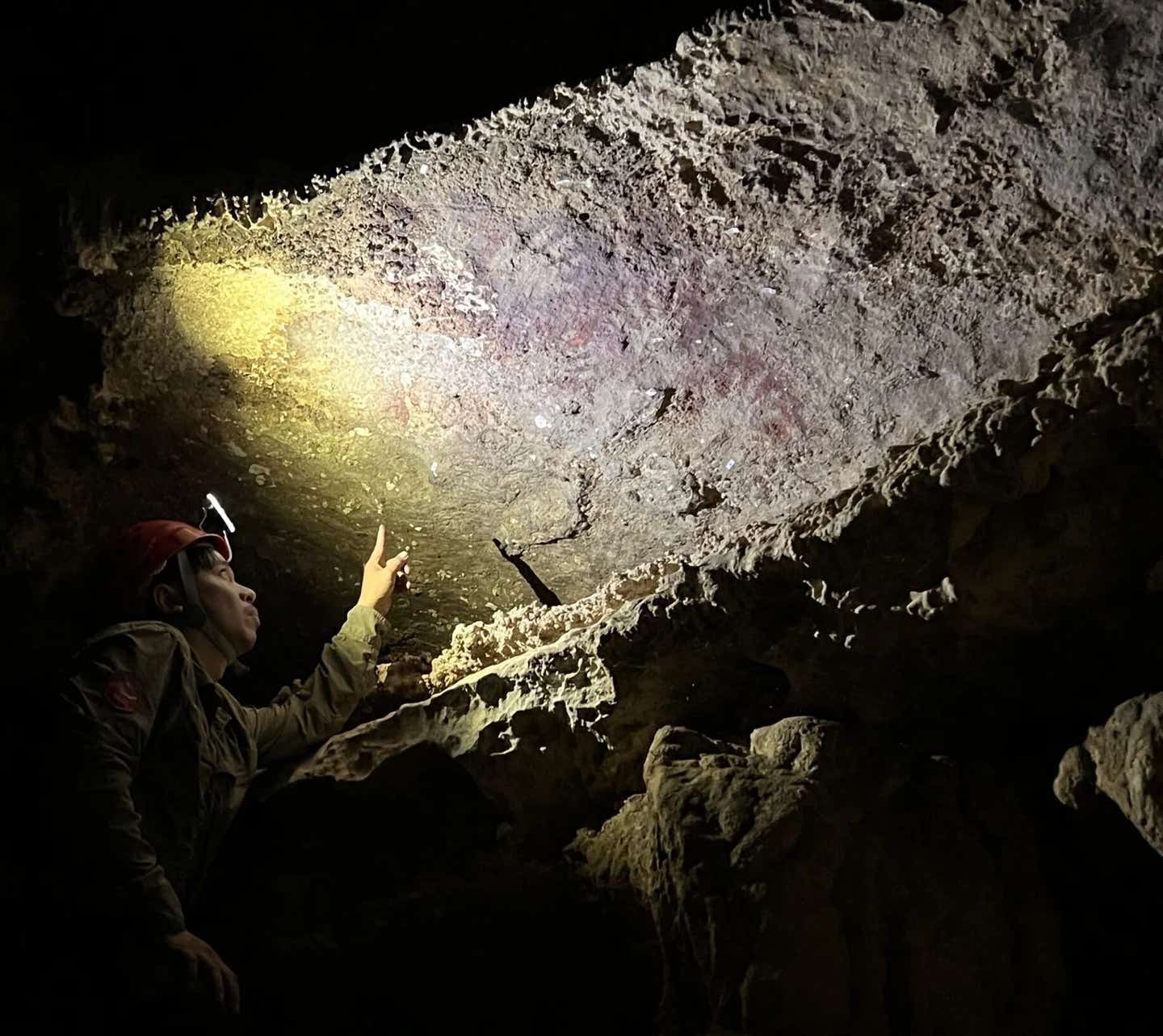
Experience the world of Stonehenge from the comfort of your own home
The Virtual World of Stonehenge brings a major British Museum exhibition back as a free immersive online experience.

 Edited By: Joseph Shavit

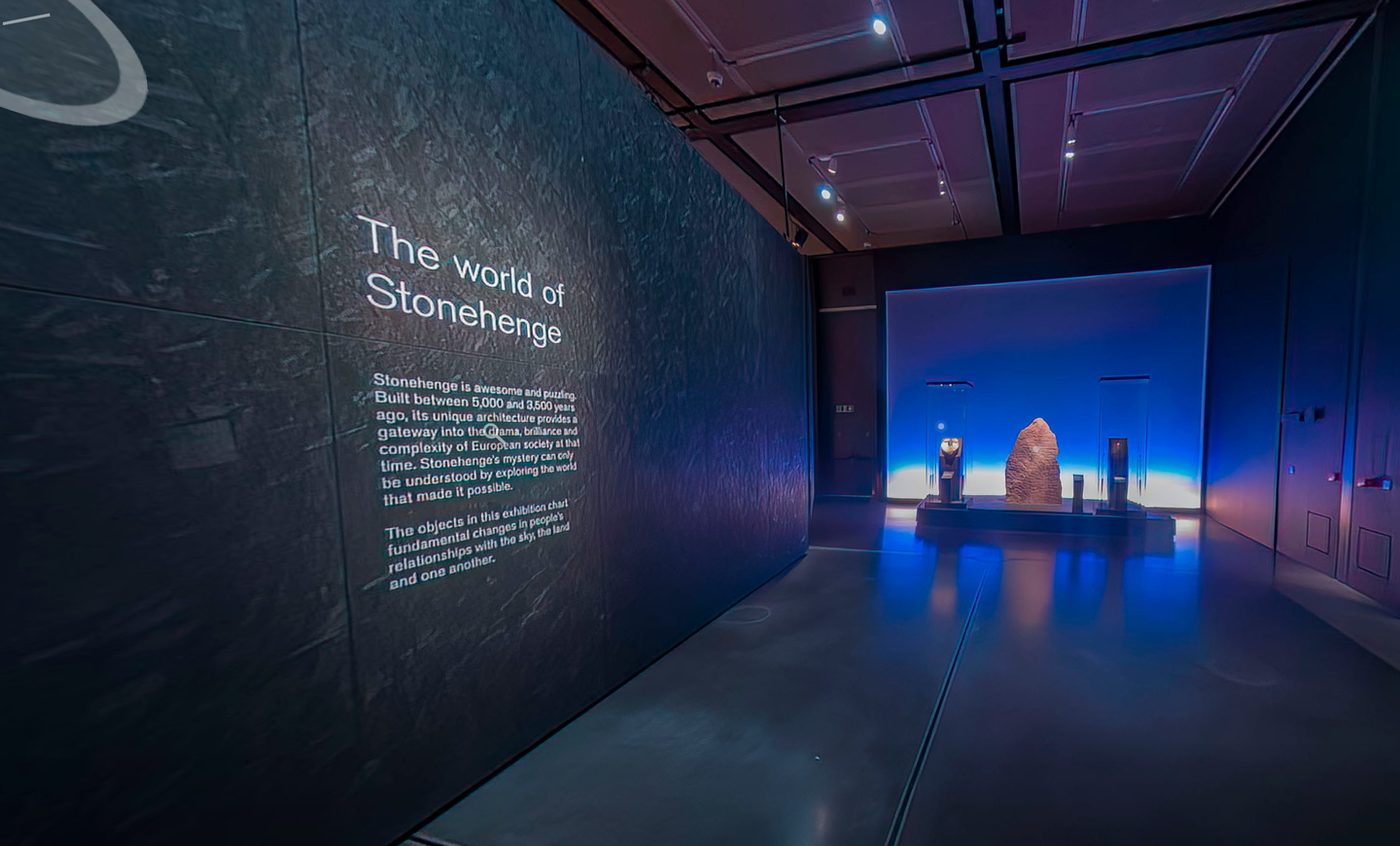
A new free online Stonehenge experience lets visitors explore the famous monument, prehistoric objects and ancient landscapes. (CREDIT: University of Reading)
Stonehenge has long drawn crowds in person, especially at the summer solstice, when the monument’s link to the rising sun feels easiest to grasp. Now that world is opening up in a different way, through a free online experience that lets visitors move through prehistoric Britain from wherever they are.
Launched on Sunday, June 21, the Virtual World of Stonehenge gives people a chance to step inside the British Museum’s 2022 exhibition The World of Stonehenge and explore its objects, spaces and stories in digital form. Developed by researchers at the University of Reading and the British Museum, the project is designed to do more than recreate a gallery. It invites users into Stonehenge itself, traces how the monument changed over time, and connects it to the wider world that surrounded it thousands of years ago.
The timing is deliberate. The release coincides with the summer solstice, the moment when Stonehenge’s alignment with the rising sun has attracted people to the site for generations.
The original exhibition was one of the British Museum’s biggest recent successes. Running in 2022, it drew more than 190,000 visitors and brought together over 400 objects from 36 institutions across Europe. That show placed Stonehenge in a much broader story, linking the monument to trade, travel, ritual and daily life across prehistoric Europe.
A museum show becomes a digital landscape
The new virtual version keeps that broader frame, but changes how people can move through it. Instead of walking past cases and labels, users can explore an interactive environment built for desktop computers, tablets and phones. The experience is free to access through the British Museum website.
Professor Duncan Garrow, Professor of Archaeology at the University of Reading, said the digital format opens the exhibition to a much wider public while also giving people a stronger sense of prehistoric life.
“The original exhibition brought together an extraordinary collection of prehistoric objects, many of which had never been displayed together before. Now anyone, anywhere they are, can not only see those objects but understand the world of Stonehenge and experience how it looked and felt thousands of years ago. We hope it brings prehistoric Britain to life in a completely new way.”
That idea, bringing a vanished world back into view rather than simply placing artifacts on display, sits at the center of the project. Users can explore Neolithic flint mines at Grimes Graves, move through the virtual exhibition space and encounter objects through animation, soundscapes and interactive material meant to make them easier to understand.
The project was funded by UK Research and Innovation and builds on Arts and Humanities Research Council-backed research led by British Museum curator Dr Neil Wilkin in partnership with Garrow. The team also worked with the University of Southampton and digital heritage specialists ArtasMedia.
From laser scans to ancient leftovers
Part of what made the virtual experience possible was a detailed 3D laser scan of the original gallery. That scan was captured during the final weeks of the 2022 exhibition, then turned into a fully interactive online environment.
The technical work matters, but so does the choice of what to emphasize. The team placed special attention on objects that might easily be overlooked in a conventional display, especially smaller and less familiar pieces that still carry vivid traces of prehistoric life.
Among them are a 6,000-year-old elm leaf, a woven cow-hair bracelet and the remains of a prehistoric feast.
Those are not the sorts of objects that usually dominate public ideas about Stonehenge. The monument is often treated as a mystery in stone, impressive but isolated. By contrast, these items pull attention toward the people who lived in that world, what they wore, what they handled, what they ate, and what survived of their lives by chance.
The project description makes clear that these lesser-known objects are being brought to life with digital content created specifically for the virtual exhibition. That includes animation, sound and interactive features designed to make their stories more accessible.
A wider test for virtual exhibitions
The launch is also a test of what museum exhibitions can become after their physical run ends. Major shows are often temporary by design. They draw large audiences, then vanish, leaving only catalogues, photos or fragments of video behind. This project suggests another path, one in which an exhibition can keep evolving after the gallery closes.
Dr Neil Wilkin of the British Museum said the work reaches beyond Stonehenge itself.
“This has been an amazing opportunity to think about the future of virtual museum exhibitions, not just at the British Museum but everywhere across the world”.
That comment points to the project’s larger significance. It is not simply about preserving one successful exhibition online. It also asks whether digital versions of museum shows can do something a physical gallery cannot, such as widening access across borders, opening deeper layers of context, and letting visitors move between monument, landscape and object in a single experience.
For institutions that hold collections scattered across countries and disciplines, that question matters. The 2022 exhibition gathered material from dozens of European institutions. The virtual version keeps that shared story available without requiring travel, tickets or geographic luck.
It also arrives at a moment when museums are still working out how digital tools should fit alongside in-person visits. Some online experiences flatten objects into screens. Others can feel like substitutes for people who could not be there. This one appears to aim for something more ambitious, not a backup version of the show, but a way of entering the world behind it.
The original story "Experience the world of Stonehenge from the comfort of your own home" is published in The Brighter Side of News.
Related Stories
- Ancient Britons likely transported Stonehenge’s Altar Stone 700 kilometers from Scotland
- Stonehenge may have been more than a spiritual site, study finds
- 5,000 year-old Stonehenge-like stone circles discovered in England
Like these kind of feel good stories? Get The Brighter Side of News' newsletter.
Rebecca Shavit
Writer
Based in Los Angeles, Rebecca Shavit is a dedicated science and technology journalist who writes for The Brighter Side of News, an online publication committed to highlighting positive and transformative stories from around the world. Having published articles on MSN, AOL News, and Yahoo News, Rebecca's reporting spans a wide range of topics, from cutting-edge medical breakthroughs to historical discoveries and innovations. With a keen ability to translate complex concepts into engaging and accessible stories, she makes science and innovation relatable to a broad audience.