New synthetic antibiotics could defeat MRSA and prevent relapsing infections
Scientists develop TriPcides, a new synthetic antibiotic class that kills MRSA and dormant persister cells.

 Edited By: Joseph Shavit

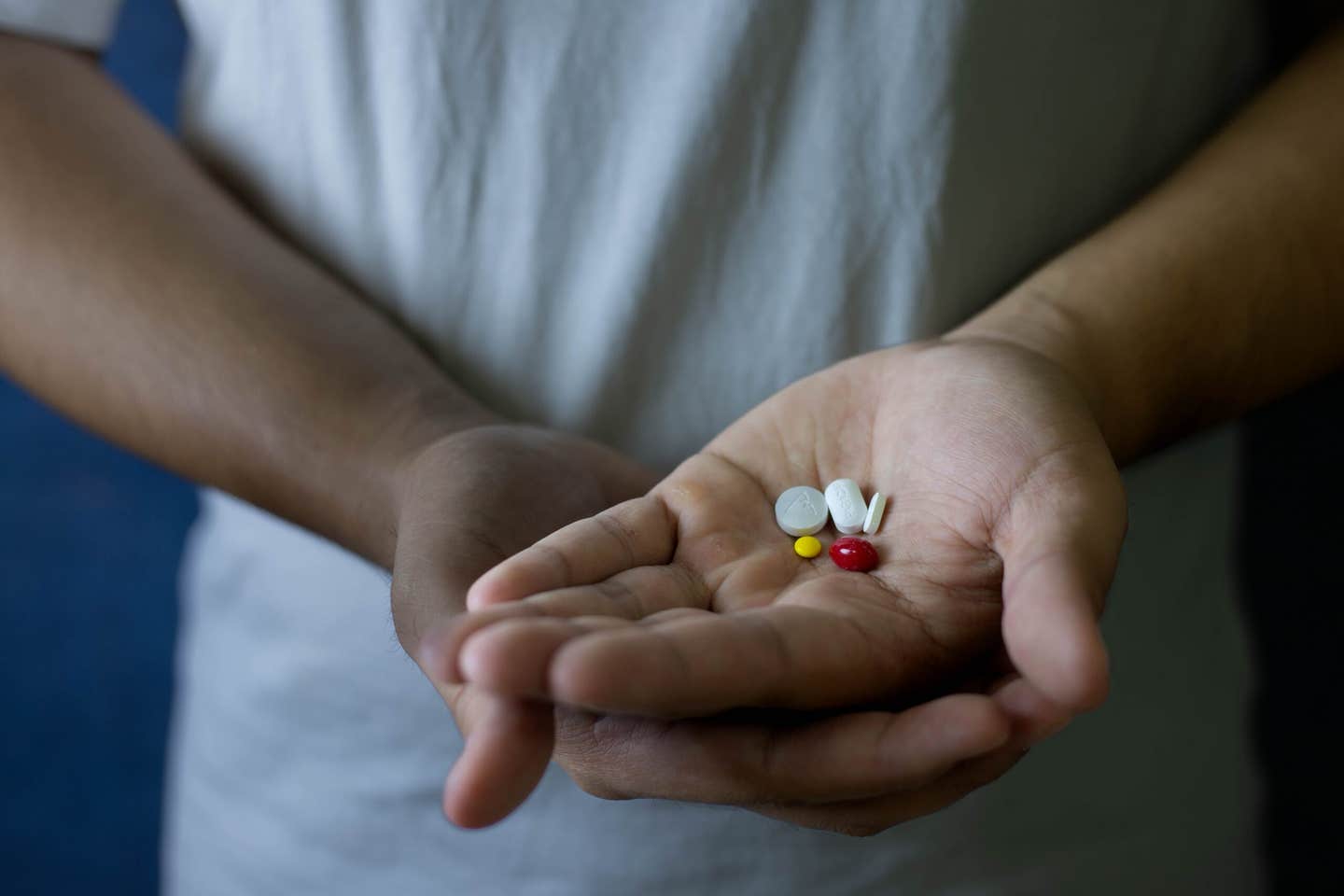
Researchers at Umeå University created TriPcides, a powerful new synthetic antibiotic class that kills MRSA and dormant bacteria. (CREDIT: Shutterstock)
Antibiotic resistance continues to push modern medicine into dangerous territory. In hospitals around the world, infections once treated easily now survive some of the strongest drugs available. Among the most feared is methicillin-resistant Staphylococcus aureus, better known as MRSA, a bacterium responsible for severe skin infections, bloodstream infections and life-threatening complications.
Researchers at Umeå University in Sweden now say they may have found a promising new way forward. In a new study, scientists developed a synthetic class of antibiotics called TriPcides that can kill MRSA, including strains resistant to existing drugs. The compounds also target dormant bacterial cells that often survive treatment and later restart infections.
The findings offer rare hope in a field where progress has slowed and resistance continues to rise.
“We have developed an entirely new class of compounds with very promising antibacterial properties. What stands out is that the bacteria we have studied do not easily develop resistance to these synthetic antibiotics. We have also not observed any existing resistance in a wide range of clinical isolates, which is encouraging,” said Fredrik Almqvist, professor at the Department of Chemistry at Umeå University.
A Growing Global Threat
Drug-resistant infections already kill millions of people worldwide. In 2019, antimicrobial resistance directly caused 1.27 million deaths and contributed to nearly 5 million more. Researchers warn the number could climb to 10 million deaths annually by 2050 if new treatments fail to emerge.
MRSA represents one of the clearest examples of the crisis. In some healthcare settings, MRSA accounts for up to 90% of Staphylococcus aureus infections. Doctors often rely on last-resort antibiotics such as vancomycin, daptomycin and linezolid when standard treatments fail.
But these drugs bring serious challenges. Some can damage organs or cause severe side effects. Others are losing effectiveness as resistance spreads. Scientists urgently need antibiotics that work differently from older drugs.
Most antibiotics used today originally came from natural sources. Because bacteria have encountered these compounds for millions of years, many microbes have evolved defenses against them.
The Swedish research team wanted to break that cycle.
Building a New Type of Antibiotic
The scientists created TriPcides using a complex three-dimensional chemical structure known as a tricyclic 2-pyridone scaffold. Earlier related compounds, called GmPcides, showed promise against MRSA but eventually triggered resistance.
To solve that problem, researchers redesigned the molecules. They added structural features that made the compounds less flat and harder for bacteria to expel through efflux pumps, a common resistance mechanism.
The team synthesized several TriPcide compounds and tested them against MRSA and other dangerous Gram-positive bacteria. Two compounds, called NQA8 and PS1962, showed especially strong activity.
Importantly, the compounds also showed very low toxicity in laboratory testing. They caused minimal damage to red blood cells and did not significantly harm human cell lines at several times the antibacterial dose.
That balance matters. A useful antibiotic must kill bacteria without harming healthy tissue.
Bacteria Struggled To Develop Resistance
One of the study’s most striking findings came from repeated exposure tests. Scientists exposed MRSA to TriPcides across 14 passages, giving bacteria repeated chances to evolve resistance.
Resistance never appeared.
Earlier antibiotic versions quickly produced resistant mutants. TriPcides did not.
The researchers also tested more than 230 clinical bacterial isolates, including MRSA, methicillin-sensitive S. aureus and vancomycin-resistant enterococci. Nearly all remained highly sensitive to the new compounds.
That result surprised the researchers because resistant bacteria often adapt rapidly to new drugs.
“This study is the first to investigate this new type of antibiotic and offers hope that we can continue developing effective new treatments,” Almqvist said. “There is a significant global need for new types of antibiotics to which bacteria have not already developed resistance, and this discovery is a positive step forward. We may be moving towards a new and effective option for combating infectious diseases.”
Destroying Dormant Persister Cells
Many antibiotics fail because they mainly target actively growing bacteria. A small population of cells, known as persister cells, can enter a dormant state where metabolism slows dramatically. In this state, they survive treatment and later restart infections.
These cells frustrate doctors and patients alike. A person may appear cured, only for the infection to return weeks later.
“Persister cells are bacteria that enter a state similar to dormancy, in which they do not divide and are metabolically inactive,” Almqvist explained. “A small fraction of the bacteria causing an infection are in this state and can therefore survive antibiotic treatment. Once treatment ends, they can resume growth and cause the infection to return. Our TriPcides also showed activity against persister cells, which is very exciting.”
In laboratory experiments, TriPcides rapidly damaged bacterial membranes, even in dormant cells. Within minutes, treated bacteria showed severe membrane disruption. Persister cells exposed to the compounds experienced a dramatic drop in survival within 30 minutes.
Standard antibiotics such as ciprofloxacin and gentamicin failed to produce the same effect.
That ability may prove critical for preventing chronic or relapsing infections.
Attacking Bacteria in Multiple Ways
Researchers discovered that TriPcides do more than simply puncture bacterial membranes. The compounds also interfere with cellular respiration and generate dangerous levels of reactive oxygen species, often called ROS.
ROS molecules create intense oxidative stress inside bacterial cells. At higher doses, TriPcides produced ROS levels even greater than those triggered by concentrated hydrogen peroxide.
The compounds also disrupted pathways tied to energy production and ion transport. Scientists measured sharp increases in ATP production, suggesting bacterial metabolism entered a destructive overdrive before collapse.
Because the antibiotics attack multiple systems at once, bacteria may struggle to adapt.
The team used transposon sequencing to investigate which bacterial genes helped survival during exposure. Many affected genes related to membranes and respiration, supporting the idea that TriPcides strike several vital processes simultaneously.
Reducing Damage Even Before Killing Bacteria
The study uncovered another surprising effect. Even at doses too low to fully eliminate bacteria, TriPcides sharply reduced bacterial virulence.
Virulence factors are toxins and proteins that allow bacteria to invade tissues and damage cells. The compounds lowered secretion of dangerous toxins including alpha-hemolysin and Panton-Valentine leukocidin.
Researchers exposed human HeLa cells to bacterial secretions from treated MRSA cultures. Untreated bacterial toxins killed most cells. Secretions from TriPcide-treated cultures allowed more than 95% of cells to survive.
That finding suggests the compounds may reduce tissue damage even before fully clearing infections.
Testing In Mice
The scientists also tested TriPcides in a mouse model of skin infection. Mice infected with S. aureus received daily treatments with SS1045B, azithromycin or both.
By day five, mice treated with SS1045B showed ulcers roughly 40% smaller than untreated animals. Combination therapy reduced ulcer size by nearly 85%.
Interestingly, TriPcides alone did not significantly lower bacterial counts in ulcers. Instead, researchers believe the compounds improved healing by reducing toxin production and limiting tissue destruction.
The combination treatment showed the strongest overall results, suggesting future therapies may pair TriPcides with existing antibiotics.
A New Direction in Antibiotic Research
The discovery arrives at a moment when many scientists fear the antibiotic pipeline is running dry. Developing entirely new drug classes remains rare because the process is expensive, difficult and scientifically risky.
Yet TriPcides may represent exactly the kind of innovation researchers have sought for years. They work against resistant bacteria, attack dormant cells, reduce toxin production and appear difficult for microbes to resist.
The compounds still require extensive testing before reaching hospitals. Researchers must study safety, dosing and long-term effectiveness in larger animal studies and human trials.
Still, the early evidence has energized scientists searching for solutions to the antibiotic resistance crisis.
Practical Implications of the Research
This research could eventually help doctors treat infections that no longer respond to current antibiotics. If TriPcides continue to show strong performance in future studies, they may become valuable tools against MRSA and other multidrug-resistant bacteria.
The compounds may also reduce recurring infections by targeting persister cells that survive standard treatments. That could lower hospitalization rates, shorten recovery times and reduce repeated antibiotic use.
Because the compounds also reduce bacterial toxin production, future treatments may limit tissue damage and improve healing even before infections fully clear. Combination therapies using TriPcides and existing antibiotics may further strengthen treatment options.
Beyond medicine, more effective antibiotics could ease pressure on healthcare systems worldwide by reducing long hospital stays, repeated procedures and the growing economic burden of resistant infections.
Research findings are available online in the journal Science Advances.
The original story "New synthetic antibiotics could defeat MRSA and prevent relapsing infections" is published in The Brighter Side of News.
Related Stories
- Researchers develop plant-based cleanup for harmful antibiotics found in rivers and fish
- 5,000-year-old ice bacterium found resistant to 10 modern antibiotics
- Scientists capture live images of bacteria battling antibiotics
Like these kind of feel good stories? Get The Brighter Side of News' newsletter.
Mac Oliveau
Writer
Mac Oliveau is a Los Angeles–based science and technology journalist for The Brighter Side of News, an online publication focused on uplifting, transformative stories from around the globe. Having published articles on MSN, and Yahoo News, Mac covers a broad spectrum of topics including medical breakthroughs, health and green tech. With a talent for making complex science clear and compelling, they connect readers to the advancements shaping a brighter, more hopeful future.