Scientists map a road to fairer, more inclusive drug development
Only 6% of pivotal U.S. drug trials reflect national diversity, putting true precision medicine out of reach for many patients.


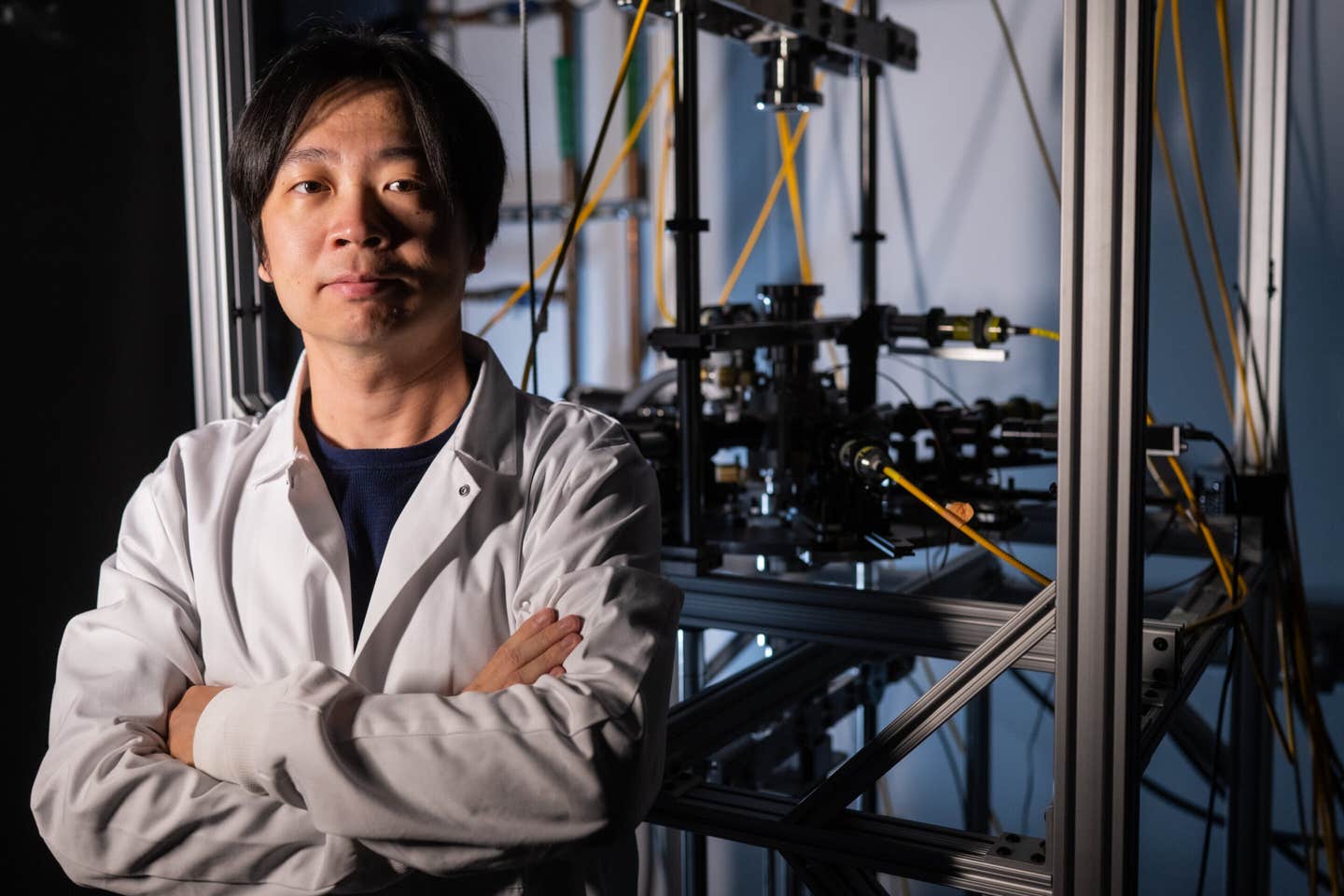
A new analysis of 341 pivotal drug trials shows that only a tiny fraction reflect the racial and ethnic mix of the United States. Black and Hispanic participation has dropped in recent years, even as precision medicine expands, raising sharp questions about who modern treatments are really built for. (CREDIT: Shutterstock)
A new analysis of drug trials used to approve medicines in the United States shows how far modern medicine still has to go to serve everyone fairly. Only 6% of the clinical trials that backed new drugs between 2017 and 2023 had participants whose racial and ethnic makeup looked like the country’s own. At the same time that precision medicine promises care tailored to your genes, the science behind many new drugs still leans on a narrow slice of humanity.
The work, led by researchers at UC Riverside and UC Irvine, lands at a tense moment. Hospitals and scientists talk often about equity and inclusion. Yet the data in this study tell you that many people, especially Black and Hispanic patients, still stand at the edge of the evidence.
A Snapshot of Who Gets Studied
The team examined 341 “pivotal” trials, the large late stage studies that companies submit to the Food and Drug Administration to win approval for new drugs. They focused on four major groups in the United States: Black, Hispanic, Asian and white participants.
From 2017 through 2020, representation already fell short of the country’s demographics. Then, starting around 2021, enrollment of Black and Hispanic participants dropped even more, even as conversations about scientific equity grew louder. Asian enrollment increased over the same period, and white participation stayed largely steady.
“Precision medicine relies on understanding how genetic differences influence treatment outcomes,” said Sophie Zaaijer, a geneticist with both UC Riverside and UC Irvine and co lead author of the study. “If clinical trials under-sample large segments of human genetic variation, critical signals for safety and efficacy may be missed.”
Zaaijer and co author Simon “Niels” Groen, a geneticist at UC Riverside, drew a simple conclusion from the numbers. “When a trial includes only a narrow slice of humanity, we can’t be confident a drug will work — or be safe — for everyone it’s meant to help,” Groen said.
Why Missing Voices Change the Science
If you have ever been told that a medicine might affect you differently because of your background, this study helps explain why. People from different populations often carry different forms of genes, called alleles, that shape how their bodies absorb, break down and respond to drugs.
Zaaijer began probing this problem as a postdoctoral fellow at Cornell Tech. She looked at preclinical models, where researchers use human cells in a dish to test drugs long before they reach people. Even there, she saw a narrow range of human genetic diversity. “I kept wondering,” she said, “If our preclinical models are this skewed, what happens once those drugs move into clinical trials?”
Bias in those early models offers a warning. Once that same bias carries into human studies, it hardens into routine medical practice. If the cells, the volunteers and the data all leave out large groups of people, the finished drug label may not reflect how your body actually responds.
Groen’s lab at UC Riverside studies how tiny worms handle plant toxins. That work might sound far from the doctor’s office, but the overlap with human biology is surprisingly close. “Many of the same genes used to break down chemicals in worms are also involved in drug metabolism in humans,” Groen told The Brighter Side of News.
“The genes worms use to detoxify chemicals are ancient,” he added. “We carry many of the same ones. But small natural variations in forms of these genes can have a big effect.”
Where Trials Happen, and Who Gets Left Out
The study also traced where drug companies run their pivotal trials. Many studies take place in countries that follow International Council for Harmonisation standards. These regions include the United States, Europe, China and Japan. That pattern brings consistency and speed to drug development, but it also concentrates data in a few parts of the world.
Sub Saharan Africa and much of Latin America host less than 3% of pivotal trials. Yet patients from those regions, and their descendants in the United States, still take the medicines approved from these studies. If your ancestry traces to those areas, the evidence behind your prescription may rest largely on people whose genes do not match yours.
That picture may be starting to shift for Hispanic communities. Brazil joined the ICH network in 2016, Mexico in 2021 and Argentina in 2024. As trial networks expand into these and other countries, future studies could better capture the genetic variety present in Latin America. In time, that may improve how well drugs are tested for people of Hispanic descent in the United States as well.
From Tiny Worms to Human Patients
The collaboration between Zaaijer and Groen formed naturally. Her questions about missing human diversity in preclinical models met his interest in how ancient detox genes behave across species. Together, they followed the thread from worms and cell lines to human trials and drug approvals.
Their study shows how small changes in drug metabolism genes can ripple out into large differences in treatment response. If trials overlook those variants, you may never see them mentioned on a drug label, even if they matter for your safety.
For the researchers, this is not an abstract concern. It is about whose biology gets counted. It is about whether your genes, your ancestry and your community show up in the data that guide your care.
A Roadmap for Fairer Drug Development
The authors do more than point out problems. They outline concrete steps that drug makers and regulators can take if they want new treatments to reflect real patients.
First, they suggest that teams set diversity goals at the very start of the drug pipeline, at the preclinical stage. That means choosing patient derived cells and animal models that reflect a wide range of human genetics, not just the most convenient sources.
Second, they recommend selecting trial locations that match the health needs and genetic backgrounds of the people who will actually use the drug. If a disease hits your community hard, the studies for that medicine should include people like you in meaningful numbers.
Third, they urge trials to collect biological samples, such as blood or saliva, from participants. Those samples can help scientists link genetic variation to drug response and side effects in a precise way.
The Strength of the Data
Even as DNA testing becomes more common in clinics, the researchers stress that the promise of personalized care rests on the strength of the data underneath it. “Precision medicine becomes possible only when clinical trials map the biology of all patients, not just a subset,” Groen said. “Our analysis could offer a roadmap for how to get there.”
If drug trials continue to overlook large groups of people, the benefits of precision medicine will reach only a fraction of patients. This study offers a path to change that outcome.
By building diversity into the earliest stages of drug development, companies can design medicines that work more consistently across the full range of human genetics. That can help doctors choose safer doses, avoid harmful side effects and spot who might need alternative treatments.
Practical Implications of the Research
Expanding trials into underrepresented regions, such as parts of Africa and Latin America, can also strengthen global health. When evidence reflects the world’s genetic diversity, treatments become more reliable for migrant communities and their descendants, not just for people living near trial sites.
Collecting genetic and biological data alongside standard trial outcomes can reveal hidden patterns. Those patterns may explain why some patients respond well while others do not. Over time, that insight can lead to better guidelines for your doctor and fewer painful trial and error experiences for you.
Finally, more inclusive trials can build trust. When you see people from your community included in the research, it becomes easier to believe that the system cares about your safety and your health. That trust is vital for enrollment in future studies and for the success of public health efforts.
Research findings are available online in the journal Communications Medicine.
Related Stories
- Quantum sensing technology opens new doors in drug development
- AI-powered ‘Alzheimer’s in a Dish’ model revolutionizes new drug development
- Brain training game shows early promise for treating chronic pain without drugs
Like these kind of feel good stories? Get The Brighter Side of News' newsletter.
Melanie Livingstone
Writer
Melanie is a San Diego–based journalist for The Brighter Side of News, an online publication focused on uplifting, transformative stories from around the globe. Passionate about spotlighting groundbreaking discoveries and innovations, Melanie covers a broad spectrum of topics including biology, geology and historical achievements. With a talent for making complex science clear and compelling, she connects readers to the advancements shaping a brighter, more hopeful future.