The future of human grief in the age of artificial intelligence
AI now shapes how people grieve. A Kyoto psychiatrist explains why that worries him and what it means for being human.

 Edited By: Joseph Shavit

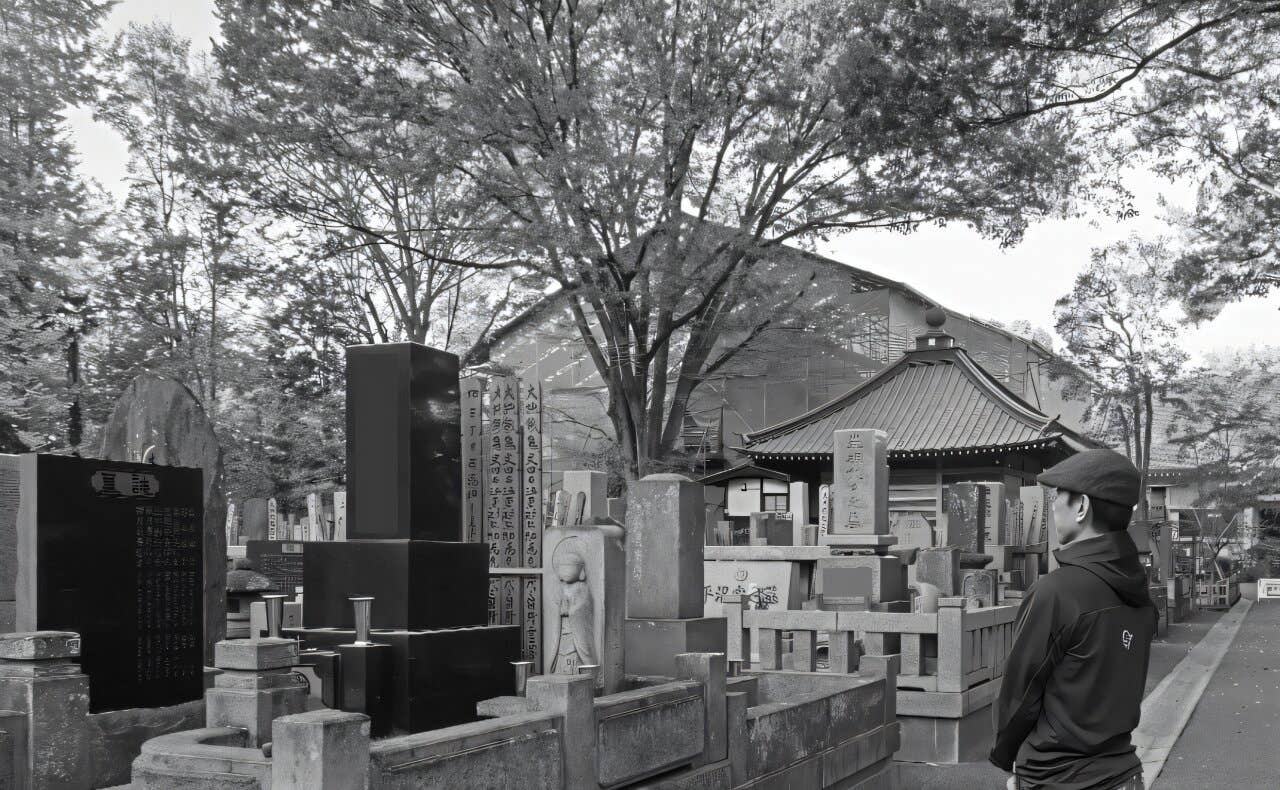
Shisei Tei, a researcher at Kyoto University, stresses the importance of accepting death. (CREDIT: KyotoU / Shisei Tei)
Grief looks different than it did a generation ago. Screens now hold memories once kept in photo albums and letters. Voices can be replayed. Faces can be re-created. And for the first time, software can speak in the style of someone who has died. As artificial intelligence seeps into daily life, it also steps quietly into one of humanity’s oldest struggles, how you face death.
A psychiatrist at Kyoto University has spent years studying that uneasy crossing. Shisei Tei, who says he barely uses technology and does not even own a smartphone, nevertheless relies on AI in his research. It helps him sort psychiatric data and plan hiking routes. Still, he worries about what happens when the same systems enter grief.
He explores that concern in a chapter for the book SecondDeath: Experiences of Death Across Technologies. “Today, I often see how AI reframes grief and remembrance,” Tei says. He believes therapy chatbots could make mental health care easier to reach, especially for people who avoid clinics or live far from help. But he warns that other uses carry hidden risks.
“AI-induced virtual continuations of the deceased can comfort the living and extend memory to some extent,” Tei says, “but they can also blur presence and absence, potentially hindering our capacity to accept impermanence.” When software mimics a dead loved one’s voice or message style, death can start to feel reversible. That feeling may soothe at first. Over time, it can delay the painful truth that someone is gone.
When Machines Shape Mourning
Throughout history, many cultures have treated the mind and body as separate. The body dies, the mind goes on. Tei says that belief made it easier for societies to imagine an escape from death. Modern technology inherited that dream and added tools. Brain scans, digital avatars and memory archives now promise pieces of a person might live forever in data.
Tei, who grew up in Taiwan and works in Japan, studies death through psychiatry, religious thought and a science approach called neurophenomenology, proposed by biologist Francisco Varela. That framework looks at how the body, mind and lived experience shape one another. Varela also drew from Tibetan Buddhism. From that mix came a guiding idea in Tei’s work, the “selfless self.”
Varela described living beings as systems that make and remake themselves. Like cells in an organ, each part depends on others. Tei says that view changes how you see identity. “Selfless selves refers to being both altruistic and autonomous, maintaining one’s individuality while remaining in harmony with others and the wider world,” he says.
In that sense, you are not a sealed unit. You are shaped by friends, culture, work, love and loss. When someone dies, a piece of their story continues inside others. Memory becomes shared property rather than private possession.
Tei says AI oddly mirrors this idea. Online, people appear through usernames, posts and photos. They exist in pieces across networks. AI systems also show an identity without a “self” as humans understand it. They respond, remember and generate language, yet they feel nothing. They do not grow old. They do not fear time. That difference matters.
The Cost of Quick Answers
Tei worries that heavy reliance on software may narrow emotional life. Computers thrive on fixed choices and clean outputs. Death does not work that way. Grief is confusing. Meaning breaks apart. People search for answers that no system can provide.
AI, Tei says, may push users toward tidy logic in moments that demand openness. “Outsourcing decision-making or emotional support to machines risks weakening the very wisdom we aim to cultivate,” he says. When sadness gets reduced to prompts and replies, suffering can look like a problem to solve rather than a wound to feel.
He points out something machines cannot supply, shared silence and unspoken signals. A hand squeeze at a bedside. A long pause after bad news. A look that says enough without words. Those moments build empathy. They stitch people together when language fails.
Loneliness, Tei adds, is not always an enemy. Time alone can invite reflection. Grief forces you to sit with uncertainty. In that quiet, many people find strength they did not know they had.
Learning to Live With Death
Tei says death should not be treated as a glitch to fix. It belongs to life from the moment life starts. In his writing, he urges families, doctors and communities to talk more openly about dying. He believes the idea of the selfless self could help guide end-of-life care, not as cold theory but as a reminder that dying is not just a medical event. It is a human one.
“Death becomes certain once life begins,” Tei writes in the book, “and denying its anticipation risks denying life itself.”
Rather than racing toward digital immortality, he argues people should lean into shared experience. Stories. Touch. Presence. Those shape how death feels and how life is valued.
AI will continue to evolve. Tei does not call for rejection. He calls for balance. He uses these tools himself. But he hopes people remember that no machine can replace the fragile, moving truth of being alive.
Practical Implications of the Research
This work challenges how society uses AI in mental health and grief support. It encourages therapy designers to build tools that assist, not replace, human care.
Families may reconsider using chatbots that simulate dead loved ones, especially if those tools prevent healthy mourning. Hospitals and caregivers could adopt the idea of “selfless selves” to focus on emotional bonds during end-of-life care, not only physical comfort.
For the average person, the message is simple: LED screens can store memories, but only people carry meaning. Understanding that may lead to healthier grieving and deeper connection.
Research findings are available online in the journal Springer Nature.
Related Stories
- Life after death: New research suggests human consciousness may survive death
- Humans glow in a visible light that disappears in death, study finds
- New AI model accurately predicts human life events and time of death
Like these kind of feel good stories? Get The Brighter Side of News' newsletter.
Shy Cohen
Writer