Dairy or plant-based: which type of milk provides the most health benefits
ECU review says milk’s natural structure may help the body use nutrients better than many plant-based drinks.

 Edited By: Joseph Shavit

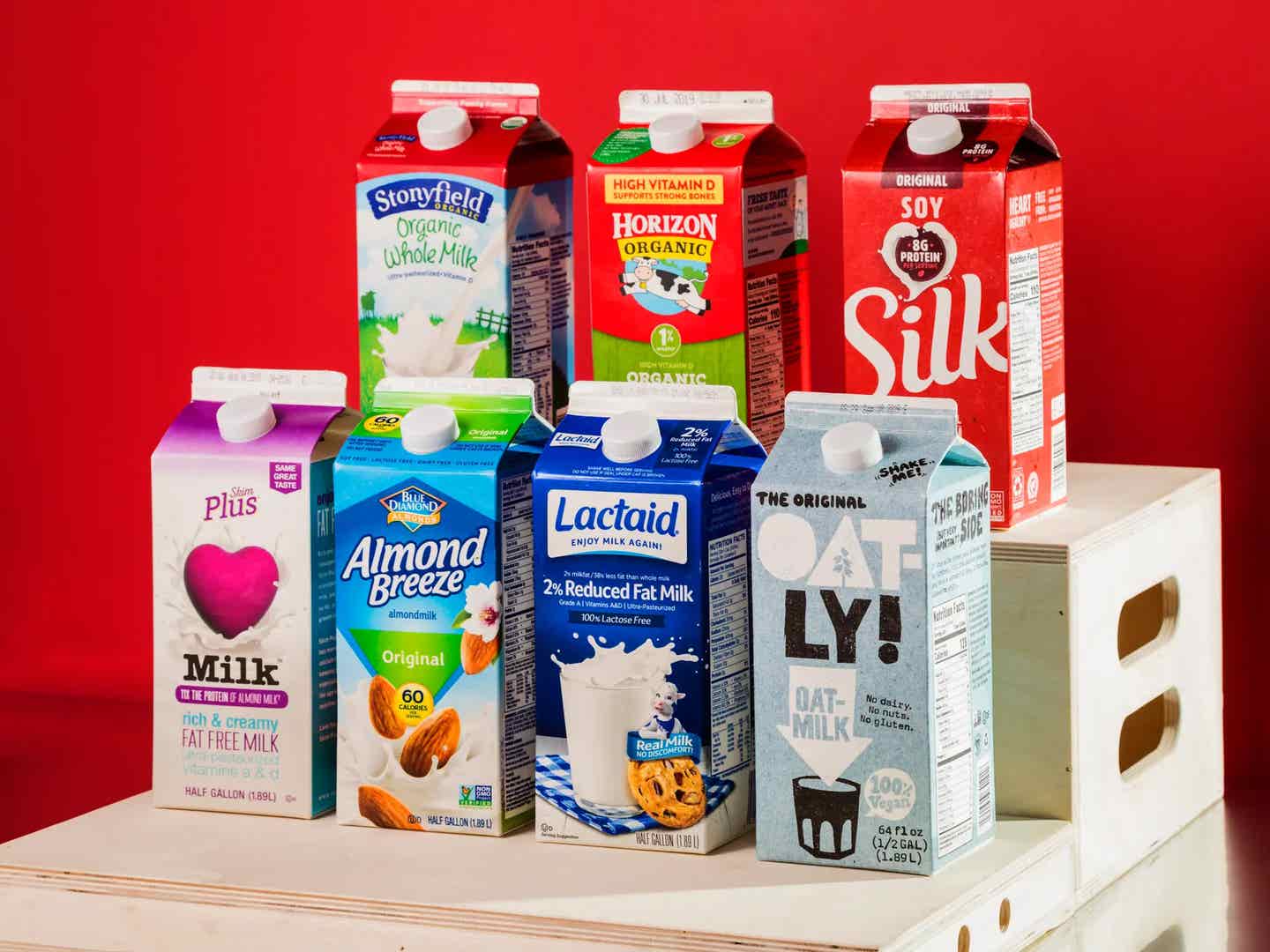
New review says cow’s milk may support bones and nutrient absorption better than many plant-based alternatives. (CREDIT: Wikimedia / CC BY-SA 4.0)
Milk has become one of the more contested staples in the modern grocery aisle. Cartons of oat, almond and soy now crowd the shelf beside it, often marketed as cleaner, lighter or simply better. But a new review argues that the contest is not as straightforward as labels and trends suggest.
The core issue is not just how much calcium, protein or fat a drink contains. It is how those parts are bundled together. According to the analysis from Edith Cowan University, cow’s milk works as a “matrix,” a naturally structured mix of nutrients, fats, proteins, vitamins, minerals and bioactive compounds that appears to shape how the body digests and uses what it gets.
“Milk is more than just calcium, protein and fat - it’s a complex whole food, and how its nutrients are packaged together is more important than initially thought,” Associate Professor Therese O'Sullivan said.
That packaging, the authors argue, may help explain why milk often performs differently from supplements and plant-based substitutes, even when labels appear similar.
A food, not just a list of nutrients
Milk contains more than 100 nutrients and bioactive substances, arranged in a physical structure that affects digestion, nutrient absorption, blood sugar response, cholesterol handling and even the gut microbiome, the review says.
“It’s the way all the parts of milk interact that appears to link to many of its health benefits,” Associate Professor O’Sullivan said.
That broader view challenges the old habit of judging foods by one nutrient at a time. Milk has often been criticized for saturated fat, while praised for calcium and protein. The ECU review argues that both approaches miss the bigger point. In whole foods, nutrients do not act alone.
The paper points to evidence that regular milk intake is linked to stronger bones and lower fracture risk. Some of that evidence suggests people who drink one to two cups a day may see fracture risk drop by as much as 43 percent.
That finding matters because calcium supplements, often used as a stand-in for dairy, did not show the same clear pattern. Instead, the review found mixed results, with some studies linking calcium supplements to a higher risk of heart disease, especially in older women.
“Milk provides a natural package of nutrients that work together,” O’Sullivan said. “Calcium in milk is combined with protein, phosphorus and other components that help the body absorb and use it efficiently. This is something that plant-based drinks and supplements cannot fully replicate.”
Why fortification may not tell the whole story
Plant-based drinks can be fortified with calcium and vitamins, and some do come close to milk on paper. But the review says that matching the numbers on a nutrition panel is not the same as matching how the body absorbs and uses those nutrients.
That is especially true for calcium. The paper highlights evidence that some common calcium salts used in plant-based drinks are poorly soluble, which can limit how much becomes available during digestion. Nutrient content also varies widely from one plant-based product to another, even within the same category.
Soy drinks came closest to dairy in protein content, the review notes, but many other plant-based beverages were lower in protein and more variable overall. Many also included added sugars, oils, stabilizers or other ingredients to improve flavor, texture and shelf life. In one analysis cited by the review, only 7 percent of products listed just water and plant ingredients.
This does not mean plant-based drinks have no value. The paper notes that soy milk showed cholesterol-lowering and anti-inflammatory effects in some adult studies. But the broader conclusion was that plant-based alternatives do not consistently match the nutritional quality or health outcomes associated with dairy milk.
The concern grows sharper for children
The review draws its strongest warning around children, where substitution carries higher stakes.
“There is a common perception that plant-based drinks are automatically healthier, but that’s not always the case,” Exercise Medicine Research Institute Dietitian Dr Analise Nicholl said.
“For some groups, especially children, omitting dairy products without careful planning can lead to nutrient gaps, particularly in protein, calcium, iodine and vitamin B12 needed for growth and development. Deficiencies can leave children vulnerable to conditions such as protein-energy malnutrition, rickets, scurvy, goitre and developmental delays.”
That caution reflects a recurring point in the review: replacing milk is not impossible, but it takes planning. A parent swapping in almond or oat drinks may assume that a fortified carton is nutritionally equivalent to dairy. The paper argues that, too often, it is not.
The same concern extends beyond childhood. Milk, the review says, supplies key minerals such as calcium, phosphorus, iodine and selenium, along with high-quality protein and several vitamins, while contributing a relatively modest share of food energy. Across studies, milk intake was more often tied to benefit than harm, though the paper also notes important caveats, including observational evidence, mixed findings across populations and some signals of risk in specific groups or at high intake.
Fermentation, fat and the bigger dietary picture
The review also complicates the usual picture of milk fat. Rather than treating saturated fat as the whole story, it points to the milk fat globule membrane and other features of the milk matrix that may change how fat behaves in the body. In one trial discussed in the paper, milk fat consumed within an intact structure did not raise blood lipids the way more isolated milk fat did.
Fermented dairy products also stood out. Across several studies cited in the review, fermented milk products such as yoghurt and kefir were associated with neutral or more favorable health outcomes than non-fermented milk in some settings. Fermentation changes the milk matrix, alters nutrient interactions and can produce compounds that affect gut health, mineral availability and blood pressure.
The broader message is not that every dairy food is equally beneficial, or that every plant-based drink is nutritionally poor. It is that food structure matters, and that public health advice built too narrowly around single nutrients may miss the way real foods behave.
Practical implications of the research
For consumers, the review supports a food-first approach. Whole foods such as milk may deliver nutrients more effectively than isolated supplements or heavily processed substitutes, especially when bone health and child growth are concerns.
People who avoid dairy for medical, ethical or personal reasons may still meet their needs, but the research suggests they should check protein content, fortification and overall diet quality carefully instead of assuming all plant-based drinks are nutritional equals.
The paper also suggests that clearer labeling and more careful public messaging are needed so “healthy” claims reflect not just what has been added to a product, but how well the body can actually use it.
Research findings are available online in the journal Food Science & Nutrition.
The original story "Dairy or plant-based: which type of milk provides the most health benefits" is published in The Brighter Side of News.
Related Stories
- Milk and wheat proteins identified as potent defenses against cholera
- Scientists perfect plant-based cheeses - stretch, melt, and taste like dairy
- Studies suggest dairy may actually be GOOD for us
Like these kind of feel good stories? Get The Brighter Side of News' newsletter.
Rebecca Shavit
Writer
Based in Los Angeles, Rebecca Shavit is a dedicated science and technology journalist who writes for The Brighter Side of News, an online publication committed to highlighting positive and transformative stories from around the world. Having published articles on MSN, AOL News, and Yahoo News, Rebecca's reporting spans a wide range of topics, from cutting-edge medical breakthroughs to historical discoveries and innovations. With a keen ability to translate complex concepts into engaging and accessible stories, she makes science and innovation relatable to a broad audience.