Los Angeles Ranks No. 12 Among the World’s Best Cities
Los Angeles lands at No. 12 on a global ranking of the world’s best cities, reflecting resilience, culture and reinvention.

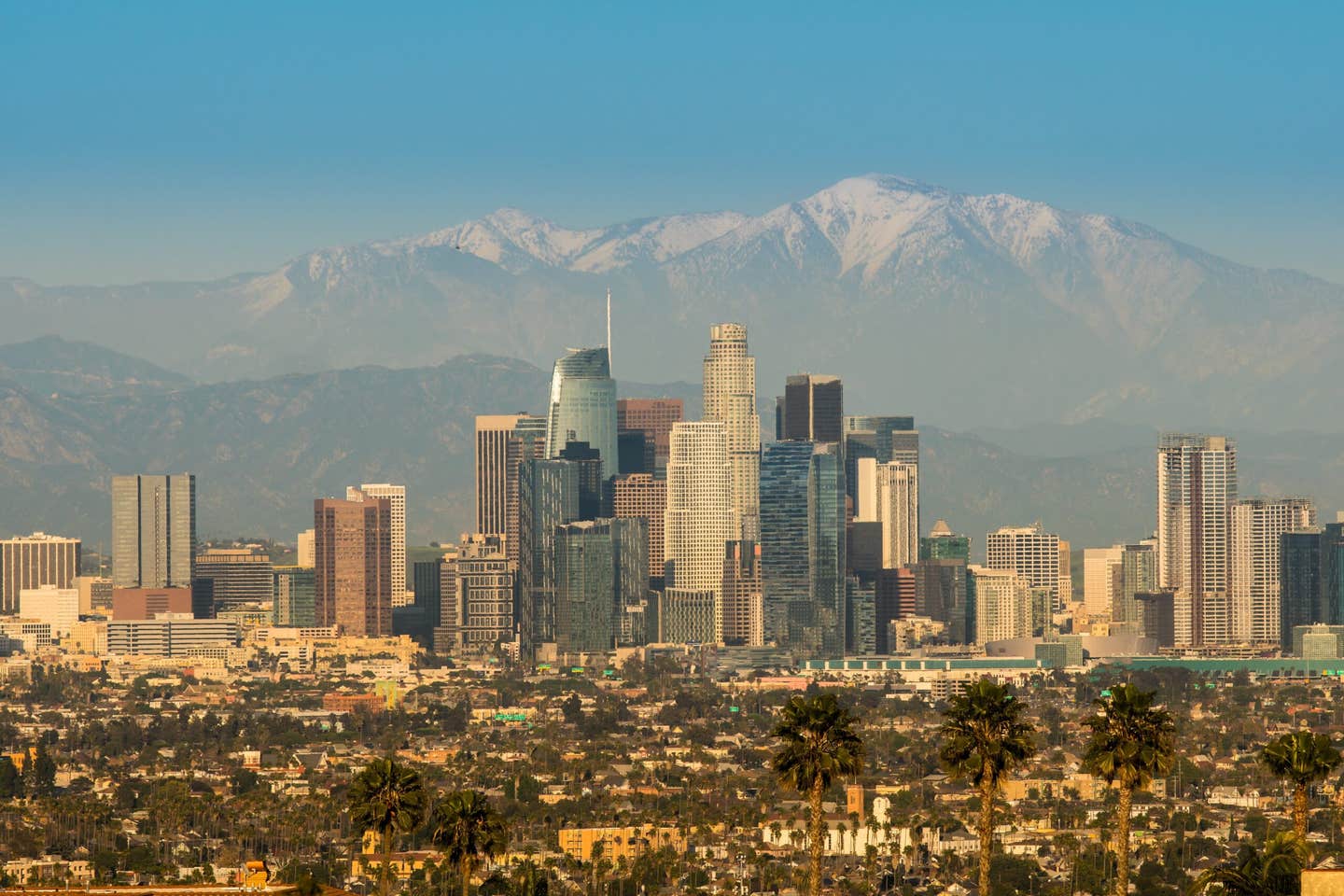
A new global ranking places Los Angeles at No. 12 among the world’s best cities for 2026, highlighting culture, sports and reinvention. (CREDIT: Shutterstock)
At the close of a difficult year for Los Angeles, a measure of optimism arrives from abroad. A new global ranking for 2026 places the city at No. 12 among the world’s best cities. The list comes from Resonance Consultancy, an urban research firm that studies how cities perform and how they are perceived.
The ranking evaluates 100 cities using three broad measures: livability, lovability and prosperity. Los Angeles ranked 13th in each category, a steady showing that reflects balance rather than dominance. London, New York and Paris claimed the top three spots overall. Still, Los Angeles landing just outside the top 10 signals resilience during a period marked by economic strain and environmental stress.
You see a familiar theme in the findings. Los Angeles continues to reshape itself while drawing global attention. Its cultural reach, creative industries and role as a destination for ambition remain central to its appeal. In a country with 19 cities on the list, more than any other nation, Los Angeles stands out for its influence far beyond city limits.
Measuring how cities feel, not just how they function
Resonance Consultancy aims to quantify more than infrastructure and economics. The firm looks at how people experience cities and how those places are discussed worldwide. The approach blends data on housing, jobs and transit with indicators tied to culture, social life and digital presence.
In that context, Los Angeles earned strong marks for visibility. The report notes that the city ranked third globally for Instagram posts, reflecting its role as a visual and storytelling hub. It also placed third for universities, reinforcing its pull for students and researchers from around the world.
The report describes Los Angeles as “the planet’s city of stories,” even as it faces “the nagging trauma of Mother Nature’s recent wrath.” That line captures the tension shaping the city’s image. You live with wildfires, heat waves and floods, yet the city’s global narrative continues to evolve through media, culture and reinvention.
Sports, development and signs of confidence
One factor boosting Los Angeles’ profile is what the report calls a coming “decade of sports.” The city will host matches during the 2026 FIFA World Cup, the 2027 Super Bowl and the 2028 Summer Olympics. These events bring attention, investment and pressure, often at the same time.
The ranking also highlights development beyond stadiums. A key example is Rams Village at Warner Center, a 52-acre mixed-use project planned for the San Fernando Valley. The campus is expected to include offices, apartments, entertainment venues and nine acres of park space, with construction scheduled to begin in 2027.
Projects like this point to broader shifts in how Los Angeles uses space. Office-to-residential conversions and mixed-use developments signal adaptation to changing work patterns. That adaptability helped the city reach fifth place in the report’s business ecosystem category, which tracks economic diversity and opportunity.
A city balancing strain and reinvention
The ranking arrives during a moment of real strain for Los Angeles. Housing costs remain high, public transit continues to expand unevenly and extreme weather tests infrastructure. Workplace culture is also shifting, changing where and how people spend their days.
Yet the city’s global position offers a reminder that struggle is not the full story. The report suggests that cities thriving in the next decade will provide safety, opportunity and a sense of belonging. Just as important, they must communicate those qualities clearly to the world.
Los Angeles’ placement reflects that balance. You see a city under pressure, but also one still capable of attracting talent, investment and imagination. Its story remains unfinished, shaped by both risk and reinvention.
How other global cities set the pace
London claimed the top spot overall, driven by global connectivity and economic reach. The city benefits from major airports, financial power and a deep cultural base. Despite political and economic uncertainty, London continues to draw talent and capital through infrastructure upgrades and redevelopment.
New York followed closely at No. 2. Its strength comes from scale and diversity, spanning finance, media, fashion and the arts. Neighborhoods function as cultural engines, while major investments in airports and transit aim to improve daily life and long-term growth.
Paris ranked near the top by pairing history with transformation. Known for museums, architecture and cuisine, the city has invested heavily in walkability and public transit. Sustainability projects are reshaping movement while preserving a strong sense of place.
Density, planning and cultural identity
Tokyo stands out for efficiency at scale. Its transit systems, safety record and dense design allow daily life to function smoothly for millions. Continued redevelopment focuses on accessibility and resilience, showing how density can support quality of life.
Singapore earned high marks for precision in planning and governance. Strong infrastructure, public safety and a business-friendly environment support prosperity. Emphasis on sustainability and innovation helps the city-state maximize limited land while maintaining global influence.
European cities also featured prominently. Rome ranked highly due to its historical and cultural legacy, even as it grapples with infrastructure challenges. Investments in mobility and public space aim to improve livability without compromising heritage.
Madrid and Barcelona scored well for urban design and culture. Madrid’s green projects and transit expansion support affordability and quality of life. Barcelona continues to balance global tourism with resident needs through public space reforms.
Berlin’s ranking reflects creative energy rather than polish. Its openness and relative affordability attract artists and startups. The city’s strength lies in flexibility and constant reinvention.
Related Stories
- Los Angeles woman celebrates 80th birthday by feeding the community
- Los Angeles' trees can absorb up to 60% of daytime CO2 emissions
- Villages of tiny homes spring up in Los Angeles to combat homelessness
Like these kind of feel good stories? Get The Brighter Side of News' newsletter.

Rebecca Shavit
Writer
Based in Los Angeles, Rebecca Shavit is a dedicated science and technology journalist who writes for The Brighter Side of News, an online publication committed to highlighting positive and transformative stories from around the world. Her reporting spans a wide range of topics, from cutting-edge medical breakthroughs to historical discoveries and innovations. With a keen ability to translate complex concepts into engaging and accessible stories, she makes science and innovation relatable to a broad audience.