Nearly half of dementia cases can be prevented, study finds
Dementia risk can be reduced, but broad campaigns often fail to turn awareness into action, a major review found.

 Edited By: Joseph Shavit

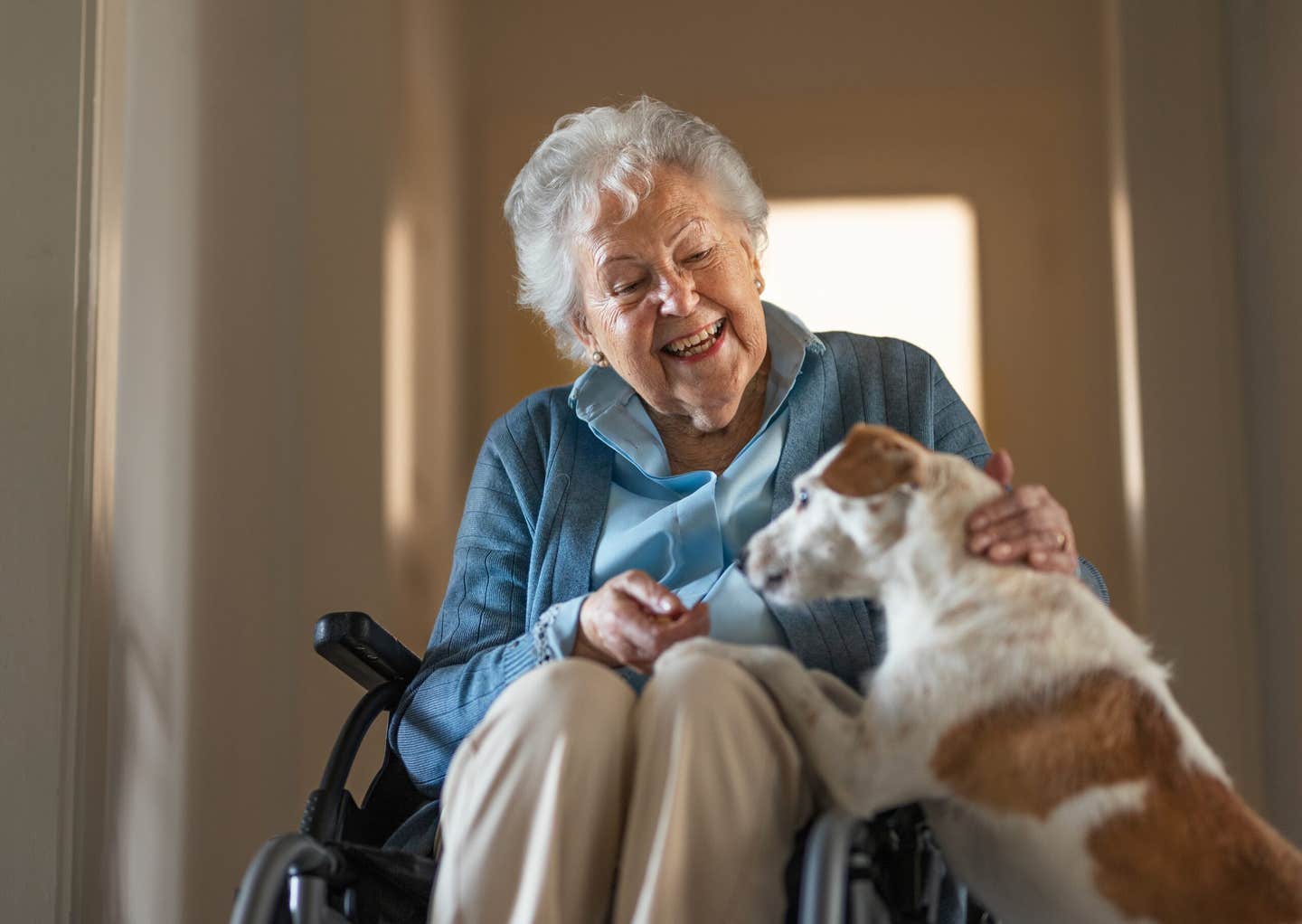
A major review found dementia prevention campaigns often raise awareness but rarely drive lasting lifestyle change. (CREDIT: Shutterstock)
Memory loss is often treated like weather, something that arrives with age and cannot be stopped. But dementia does not fit that story. A growing body of research suggests many cases are tied to risks people can act on, yet a new international review finds that public health campaigns still struggle to turn that message into lasting change.
The review, led by Curtin University researchers and published in The Lancet Healthy Longevity, examined 12 population-level interventions across eight countries. Together, the studies point to a stubborn problem: broad awareness campaigns can reach large audiences, but they usually produce only small gains in knowledge and even smaller shifts in behavior.
That matters because dementia is no small public health challenge. More than 57 million people worldwide live with the condition, and that total is expected to nearly triple by 2050. The Lancet Commission has estimated that about 45 percent of dementia cases may be linked to modifiable risk factors across the life course.
Professor Mario Siervo, from Curtin’s School of Population Health, said the findings exposed a clear divide between awareness and action.
“Up to 45 per cent of dementia cases are linked to modifiable factors we can change, such as our lifestyle, health status and environment,” Siervo said.
“But simply telling people what those risks are isn’t enough; awareness campaigns are important, but on their own they rarely lead to meaningful or lasting behaviour change.”
When information lands, but habits do not
The review covered interventions in Australia, the Netherlands, the United States, Belgium, Chile, China, Denmark, and Puerto Rico. They ranged from mass media campaigns and online courses to community education, tailored text messages, risk assessment tools, and even an interactive art exhibition.
Results were mixed.
Eight of the 11 studies that measured knowledge reported improvements after the intervention, especially in digital or educational programs. But gains were often selective. Some campaigns raised awareness of a few specific risk factors without changing overall understanding that dementia risk can be reduced. Others improved motivation without showing clear behavior change.
Several large public campaigns illustrate the limits. National efforts in Australia, Denmark, and the Netherlands showed little or only modest change at the population level. By contrast, more interactive programs tended to perform better. Online education paired with a personalized dementia risk profile in Tasmania improved knowledge and was linked to a 26 percent improvement in modifiable risk factor status over 36 months. A Dutch e-learning program improved diet, cognitive activity, and alcohol habits in some groups, though not every measure changed.
The pattern ran through the review: people were more likely to respond when the message felt specific, practical, and personally relevant.
The strongest signals came from people, not slogans
Some of the clearest results came from interventions built around trusted messengers and active participation.
In Wuhan, China, a six-month opinion leader program used 19 trained community members to spread information, encourage screening, and model preventive behavior. That phase produced gains that traditional health lectures and brochures had not. Dementia knowledge rose, stigma fell, and participation in free community screening climbed from 23.9 percent to 46.0 percent.
In Los Angeles, a culturally tailored program for African American adults combined a live talk show on brain health with printed materials and text messages. Alzheimer’s disease literacy improved, and the biggest gains appeared among participants who received culturally tailored daily texts.
Other community-based efforts showed similar promise. In Chile, a campaign delivered through senior centers increased self-reported knowledge of dementia prevention, conversations with health-care providers, and referrals for managing risk factors. In Puerto Rico, a community education program paired with social media improved understanding of risk and protective factors.
Professor Blossom Stephan, Chair in Dementia at Curtin’s enAble Institute and a co-author, said public misunderstanding remains a major obstacle.
“There is still a widespread belief that dementia is an unavoidable part of ageing, which is not the case,” Stephan said.
“But even when people are aware of the risks, barriers such as time, cost and motivation can prevent them from making changes to their lifestyle.”
Those barriers appeared repeatedly across the review. When studies asked why people were not changing, the most common answers were lack of knowledge, low motivation, limited time, and financial constraints.
A second warning sign: muscle matters too
The Curtin group also pointed to findings from a separate study that followed nearly 500,000 adults for more than a decade. That research found a higher dementia risk among people with both low muscle strength and excess body fat, a combination known as sarcopenic obesity.
Obesity by itself was not linked to higher dementia risk when muscle strength was preserved, according to the study. The result suggests prevention may need to move beyond simple weight messaging and pay closer attention to muscle health and body composition.
That finding fits the broader message of the review. A one-size-fits-all campaign may miss what actually drives risk in daily life, and what helps people respond. Telling people to “live healthier” is easier than helping them see which risks apply to them, what changes are realistic, and where support can be found.
The review also notes that the current evidence base is still thin. Most studies relied on self-reported outcomes, not objective measures such as biomarkers or tracked physical activity. Most had short follow-up periods, and no study included cognitive outcomes. Many used pre-post or quasi-experimental designs, which makes it harder to draw firm causal conclusions.
Even so, the direction of the evidence was hard to ignore. The most promising approaches were not the broadest or loudest. They were the ones that asked people to engage, reflect, and act.
Practical implications of the research
For public health officials, the message is less about abandoning awareness campaigns than redesigning them. Broad messaging may still help establish that dementia risk is not fixed, but the review suggests that information alone rarely changes behavior.
More effective strategies may combine public messaging with personalized risk tools, interactive education, and support delivered through trusted local networks. Programs that are culturally tailored, practical, and embedded in familiar settings appear more likely to move people from recognition to action.
The findings also point to the need for longer-term investment. Dementia prevention depends on habits that develop over years, not days, and future programs will need better follow-up, stronger study designs, and more attention to groups often underrepresented in this research.
As dementia rates climb, prevention remains one of the few tools available before disease takes hold. The challenge now is not only helping people understand risk, but helping them do something with that knowledge.
Research findings are available online in the journal The Lancet Healthy Longevity.
The original story "Nearly half of dementia cases can be prevented, study finds" is published in The Brighter Side of News.
Related Stories
- Scientists discover new cause of neuron death in Alzheimer’s and dementia
- Shingles vaccine linked to lower dementia risk, study finds
- Blood-based aging clock predicts dementia risk years before symptoms
Like these kind of feel good stories? Get The Brighter Side of News' newsletter.
Mac Oliveau
Writer
Mac Oliveau is a Los Angeles–based science and technology journalist for The Brighter Side of News, an online publication focused on uplifting, transformative stories from around the globe. Having published articles on MSN, and Yahoo News, Mac covers a broad spectrum of topics including medical breakthroughs, health and green tech. With a talent for making complex science clear and compelling, they connect readers to the advancements shaping a brighter, more hopeful future.