Scientists discover new cause of neuron death in Alzheimer’s and dementia
A newly defined cell-death pathway may explain how toxic proteins kill neurons in Alzheimer’s disease and frontotemporal dementia.

 Edited By: Joseph Shavit


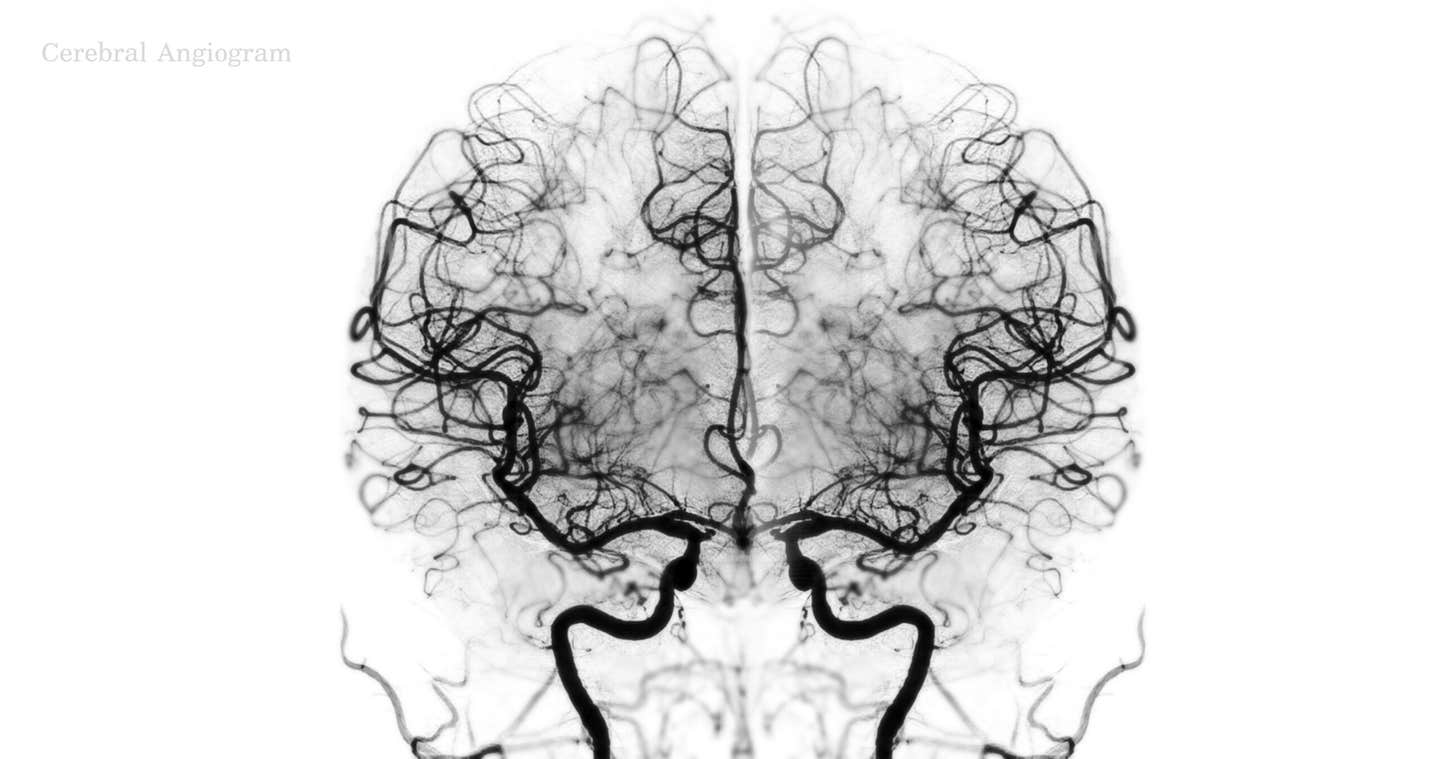
Markers of karyoptosis, a newly defined form of cell death, have turned up in Alzheimer’s and frontotemporal dementia brains. (CREDIT: Shutterstock)
Cell death in dementia has long posed a frustrating problem. Toxic proteins pile up inside neurons in Alzheimer’s disease and frontotemporal dementia, but the exact route from that buildup to the loss of brain cells has remained hazy. A study from King’s College London and the UK Dementia Research Institute now argues that one missing piece may be a newly characterized process called karyoptosis, in which a neuron’s nucleus shrivels and breaks down before the cell dies.
The work, published in Nature Communications, links that process to proteotoxic stress, the burden created when damaged or misfolded proteins accumulate and the cell’s cleanup machinery can no longer keep pace. In post-mortem brain tissue, the team found markers of karyoptosis in a substantial share of neurons from people with Alzheimer’s disease and frontotemporal lobar degeneration, suggesting this is not a rare quirk of the lab but a feature of human disease.
“This study is the culmination of a 10-year journey at King’s, from when we first identified karyoptosis in a relatively rare disease to discovering that it is a common feature of dementias which affect millions of people.”
When the nucleus starts to fail
The researchers set out to understand how proteotoxic stress kills neurons when apoptosis, the best-known form of programmed cell death, does not fully explain what is happening. Neurons are unusual cells. They are built for long-term survival and are relatively resistant to apoptosis, which has made it harder to pin down a single pathway behind their loss in neurodegenerative disease.
In experiments using neuroblastoma cells, rat primary cortical neurons, fruit flies, and human stem cell-derived neurons, the team found a consistent pattern. When the autophagy-lysosome system, one of the cell’s main waste-disposal routes, was chronically impaired, neurons began to show changes in LaminB1, a protein that helps maintain the nuclear lamina, the structural shell around the nucleus.
Instead of staying in place, LaminB1 formed puncta in the cytoplasm, the nuclear outline lost its regular shape, and cells shrank. DNA damage followed later, not first. That sequence mattered, because it suggested nuclear breakdown was not simply a side effect of damaged DNA. It appeared to be an earlier event in a separate death pathway.
The team also ruled out several other better-known mechanisms. The stressed cells did not show classic markers of apoptosis, including caspase-3 activation or caspase-mediated PARP-1 cleavage. They also lacked the features expected in necrotic death pathways such as necroptosis, ferroptosis, or parthanatos. The evidence instead pointed to a distinct process centered on the collapse of the nucleus itself.
A route from toxic proteins to neuronal loss
The study defines karyoptosis as a form of non-apoptotic, non-necrotic cell death triggered by proteotoxic stress. In this pathway, the nuclear lamina destabilizes, the nucleus degenerates, and nuclear material is pushed out of the cell in large extracellular vesicles. The end result is cell atrophy, DNA damage, and death.
To see whether this had relevance beyond artificially stressed cells, the team tested disease-linked proteins associated with ALS and FTD, especially the toxic dipeptide repeat proteins produced in C9ORF72-related disease. In rat neurons, the proline-arginine repeat protein strongly triggered signs of karyoptosis, including LaminB1 puncta, distorted nuclear shape, and DNA damage, again without evidence of apoptotic caspase activation. Similar changes appeared in fruit fly models.
The closer the protein burden came to the nucleus, the worse the damage looked. In flies, cells with visible intranuclear inclusions showed more severe nuclear distortion than neighboring cells without those inclusions. That gave the researchers a more direct link between toxic protein aggregation, nuclear stress, and this form of cell death.
The findings also extended to human neurons derived from induced pluripotent stem cells. When those neurons were treated to impair autophagic clearance, cell numbers dropped and TDP-43, a protein strongly linked to ALS and FTD, shifted out of the nucleus. Both changes were significantly rescued when the researchers blocked a stress-response pathway involving p38 MAP kinase.
A molecular switch that may be druggable
That p38 pathway became one of the study’s most important clues. The researchers found that p38 MAP kinase helps regulate karyoptosis by phosphorylating LaminB1. They identified Ser391 on LaminB1 as a p38 target residue and showed that phosphorylation of a 50 kilodalton LaminB1 fragment rose during karyoptosis and dropped when p38 was inhibited.
That mattered because blocking p38 signaling reduced nuclear shape irregularity and other hallmarks of karyoptosis in cells and animal models, even though it did not remove the underlying buildup of p62, another marker of impaired protein clearance. In other words, the toxic stress remained, but one of the destructive downstream steps could be interrupted.
The team pushed that further with genetic experiments. A non-phosphorylatable LaminB1 mutant was more resistant to the protein loss associated with senescence in human fibroblasts. In fruit flies, a matching Lamin mutation improved LaminB stability with age and partly rescued survival and neuronal nuclear shape defects in an autophagy-impaired model. In flies expressing toxic C9ORF72 repeat proteins, dampening p38 activity or preventing Lamin phosphorylation improved lifespan and reduced nuclear damage.
“By specifically targeting the interaction between p38 MAP kinase and LaminB1 we may slow down the process of cell death, buying time for more pinpointed therapies against specific neurodegenerative diseases.” – Dr Manolis Fanto, Reader in Functional Genomics, Institute of Psychiatry, Psychology and Neuroscience, King’s College London.
Signs of karyoptosis in dementia brains
The most clinically important evidence came from human brain tissue. Using post-mortem samples from the frontal cortex of people with frontotemporal lobar degeneration or terminal Alzheimer’s disease, along with age- and sex-matched controls, the researchers used single-cell imaging and k-means clustering to sort neurons by their structural features without telling the algorithm which disease group each cell came from.
That analysis revealed clusters of neurons whose shape and LaminB1 patterns matched early and late stages of karyoptosis. In the second dataset, which included 763 cells from 20 cases, the combined effect size of early- and late-stage karyoptosis was 35 to 37 percent in frontotemporal lobar degeneration or Alzheimer’s disease, compared with 17 percent in controls. The earlier summary released with the work highlighted a similar pattern in Alzheimer’s tissue alone, reporting signs of karyoptosis in 35 percent of frontal cortex cells compared with 15 percent in healthy aged controls.
The presence of some karyoptotic features in control brains suggests this process may also play a role in normal aging. But the added burden in disease stood out. The authors estimate that karyoptosis could account for an extra 18 to 20 percent of neuronal degeneration in the dementia groups they studied.
Loss of cells in the brain
“The death and loss of cells in the brain drives many symptoms experienced by people living with dementia. Our study uncovers a new series of chemical events which can coordinate cell death in brain cells. We have started to lay out the road map of how karyoptosis works, and I’m excited to see future breakthroughs this may drive in the dementia research community and beyond.” – Dr Rebecca Casterton, Senior Researcher at the UK Dementia Research Institute at King’s and first author on the paper.
The authors also noted limits. Much of the mechanism was worked out in cell and animal models, and the full timeline of molecular events still needs to be reconstructed. The role of the extracellular vesicles, whether they are an attempted relief valve or part of the death process itself, is still unresolved.
“For decades, we’ve known that toxic proteins build up in Alzheimer's disease and frontotemporal dementia, but exactly how they lead to the loss of brain cells has remained unclear.
“The identification of karyoptosis is a crucial step towards finding targets for treatments that could stop or slow cell loss. It could help widen the window for therapies that tackle the underlying causes of disease, bringing us closer to a cure for dementia. This is why Alzheimer’s Research UK funds and supports research.” – Dr Sara Rodrigues, Senior Research Manager at Alzheimer’s Research UK.
Practical implications of the research
The findings do not amount to a treatment, but they sharpen the search for one. By identifying a path from toxic protein stress to nuclear breakdown, the research offers a more specific target than the broad problem of protein buildup alone.
If drugs can safely interfere with the p38 MAP kinase and LaminB1 interaction, they may be able to slow the loss of vulnerable neurons and extend the time window in which other disease-specific therapies can work.
The study also suggests that future dementia research may need to track several cell-death routes at once, rather than assuming one mechanism explains all neuronal loss.
Research findings are available online in the journal Nature Communications.
The original story "Scientists discover new cause of neuron death in Alzheimer’s and dementia" is published in The Brighter Side of News.
Related Stories
- Smartphone memory tests detect Alzheimer’s decline months earlier
- ETH Zurich scientists developed a new drug to slow Alzheimer’s development
- Columbia University researchers discover new clues to Alzheimer’s origins
Like these kind of feel good stories? Get The Brighter Side of News' newsletter.
Mac Oliveau
Writer
Mac Oliveau is a Los Angeles–based science and technology journalist for The Brighter Side of News, an online publication focused on uplifting, transformative stories from around the globe. Having published articles on MSN, and Yahoo News, Mac covers a broad spectrum of topics including medical breakthroughs, health and green tech. With a talent for making complex science clear and compelling, they connect readers to the advancements shaping a brighter, more hopeful future.