ETH Zurich scientists developed a new drug to slow Alzheimer’s development
A new ETH Zurich compound slowed Alzheimer’s-like brain damage in mice by blocking harmful GRK2 protein clumps.

 Edited By: Joseph Shavit


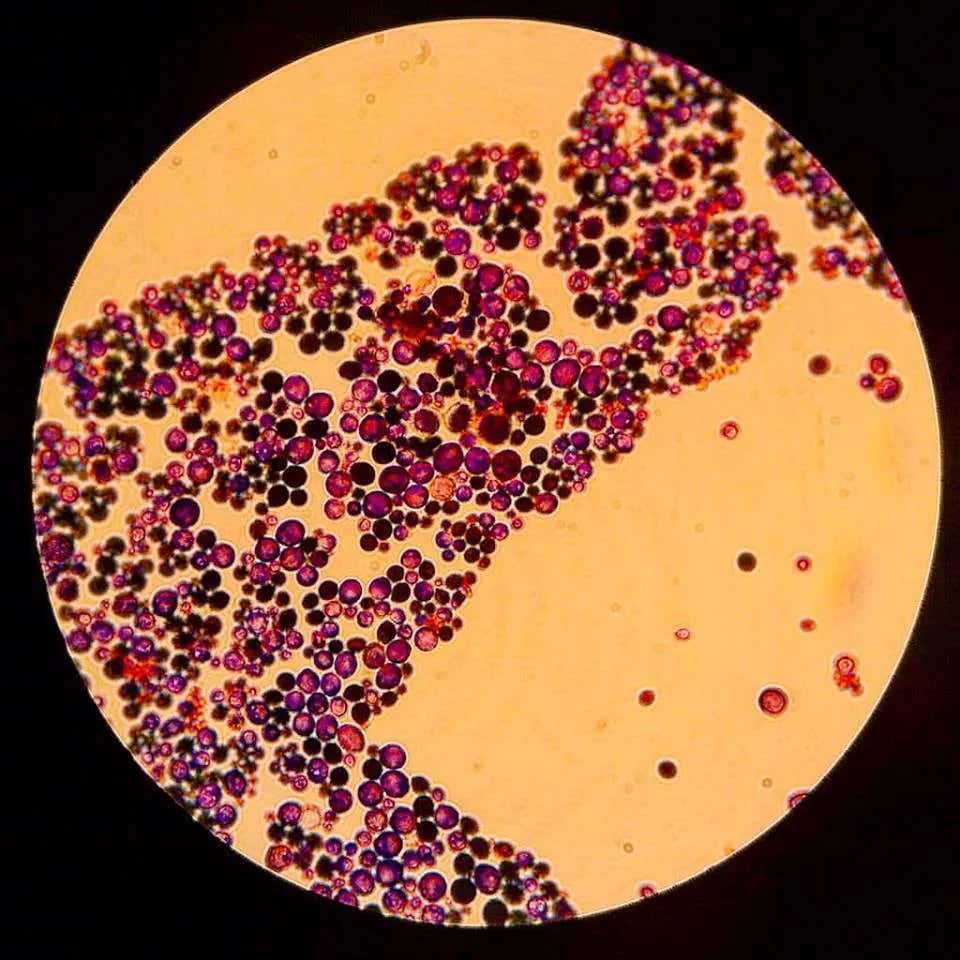
ETH Zurich researchers say CPD10 slowed Alzheimer’s-like damage in mice by targeting harmful GRK2 protein aggregates. (CREDIT: Shutterstock)
Alzheimer’s disease slowly strips brain cells of the energy they need to survive. However, one damaged enzyme may be doing more of that work than anyone realized.
At ETH Zurich, a team led by molecular pharmacologist Ursula Quitterer says it has identified a new protein target linked to the disease’s progression. They also designed an experimental compound that interrupts the process in mice. The compound, known as CPD10 or “compound 10,” did not cure the disease. Nevertheless, it slowed nerve-cell loss, reduced key signs of damage in the brain, and helped the animals live longer.
The work points to a different way of thinking about Alzheimer’s treatment. This approach focuses less on clearing debris after damage has piled up. Instead, it aims to stabilize a protective system inside cells before the damage spirals.
When a protective enzyme turns harmful
The central player is an enzyme called GRK2, a regulatory protein active in many tissues, including the brain. Under healthy conditions, GRK2 helps cells respond to signals and stress. But Quitterer’s team found that in Alzheimer’s-like disease, a modified, inactive form of GRK2 builds up in the brain. This form also clumps together.
Those clumps turned up in aged Tg2576 mice, a common Alzheimer’s model, and in human brain tissue from patients with dementia likely due to Alzheimer’s. In the mice, about 63.5% of total hippocampal GRK2 appeared as a large aggregated form. By contrast, only 8.5% did in non-transgenic controls.
The aggregates were found near damaged mitochondria, the structures that generate energy inside cells. The team reported that this abnormal GRK2 form collects on mitochondria after phosphorylation at serine-670. Once there, it appears to set off a chain reaction of stress.
“The GRK2 aggregates block the pores of the mitochondria, reducing the amount of energy they can supply and leading to a situation of stress inside the cells,” Quitterer explains.
That stress matters because mitochondria already sit near the center of Alzheimer’s damage. In the diseased mice, the altered GRK2 was linked to reduced mitochondrial ATP, a sign of lower energy production, and higher oxidative stress. Additionally, the study found more mitochondrial amyloid-beta, one of the hallmark proteins tied to Alzheimer’s.
A vicious cycle inside neurons
The team traced part of the problem to TOMM6, a protein involved in the mitochondrial membrane machinery. Under normal conditions, GRK2 can phosphorylate TOMM6. However, the inactive phospho-S670-GRK2 form largely cannot, and that failure appears to let TOMM6 clump into dysfunctional aggregates of its own.
That matters because aggregated TOMM6 no longer interacts properly with TOMM40, another key part of the mitochondrial import system. In effect, one damaged protein helps disable another, and the cell’s power supply becomes less reliable.
The study argues that this contributes to a self-reinforcing cycle. Mitochondrial dysfunction and oxidative stress promote amyloid-beta buildup. Amyloid-beta, in turn, adds more stress to neurons, which then favors the formation of more inactive, aggregated GRK2.
The researchers found that the same broad pattern extended beyond amyloid. In stressed mice, the compound later tested by the team also reduced hyperphosphorylated PHF-tau, another major Alzheimer’s hallmark. It improved spatial memory in the Morris water maze.
Human evidence in the study was limited, but important. The researchers detected increased phospho-S670-GRK2 and TOMM6 aggregates in surgical brain tissue from patients with dementia likely due to Alzheimer’s. They also note a key limitation: the number of human specimens was small.
The long road to compound 10
Quitterer’s work on this pathway began nearly 20 years ago. She received brain tissue samples from Ain Shams University Hospital in Cairo. Those samples, taken during tumor surgery from patients with and without dementia, helped the team start probing GRK2’s role in diseased brain tissue.
From there, the research unfolded slowly, in part because Alzheimer’s experiments require aging animals long enough for pathology to emerge. Quitterer said the pace of the field itself shaped the timeline.
“It took so long simply because everything takes so long in Alzheimer’s research,” she says.
To break the GRK2 cycle, the team developed and tested several small molecules. CPD10 emerged as the strongest candidate. Chemically, it was designed around a benzodioxole-containing scaffold and acted as a GRK2 function modulator.
In cell studies and in mice, CPD10 reduced the aggregation of phospho-S670-GRK2 and TOMM6. It improved mitochondrial function and shifted APP processing away from the amyloid-producing route. Importantly, the compound crossed the blood-brain barrier, reaching a brain-to-serum ratio of 1.10.
After six months of treatment in Tg2576 mice, CPD10 lowered soluble, insoluble, mitochondrial, and plaque-associated amyloid-beta in a dose-dependent way. Furthermore, it raised the synaptic protein SNAP25 and increased markers linked to nervous system development and neurogenesis. The compound also reduced the astrocyte marker Gfap and increased Cx3cr1, a microglial marker associated with Alzheimer’s protection and amyloid-beta clearance.
The study also reports a broader aging signal. Treated mice showed lower levels of the senescence marker UPAR. Outside the brain, Quitterer’s team observed improved heart function and, notably, fewer grey hairs in older animals.
A new target, but still early
The same paper tested a second compound, CPD57, designed to enhance proteasome activity and promote breakdown of aggregated phospho-S670-GRK2. That approach also reduced GRK2 and TOMM6 aggregates and lowered amyloid-beta measures in mice. This finding reinforced the idea that this pathway is worth pursuing.
Still, the headline finding centers on GRK2 itself. Current Alzheimer’s drugs do not stop the disease, and at best delay progression by months. This work suggests GRK2 may offer a fresh point of attack, distinct from existing treatments.
“Alzheimer’s is a very complex disease,” Quitterer says.
“That’s why it’s so important that we’ve now identified a new target protein in the form of GRK2, as well as an active ingredient that operates via GRK2 and therefore via a different mechanism than existing Alzheimer’s drugs.”
There are obvious caveats. The treatment results are in mice, not people. The human tissue sample was small. And Alzheimer’s has a long history of animal findings that did not translate into successful medicines.
Even so, the study does something important. It links a specific damaged enzyme state to mitochondrial breakdown, amyloid-beta buildup, tau-related pathology, neuronal loss, and survival in one framework. Then it shows that small molecules can interrupt it.
Practical implications of the research
The immediate implication is not a new Alzheimer’s drug on the shelf, but a new biological target that may widen the treatment landscape. By focusing on GRK2 and the protein aggregation cycle around mitochondria, the work opens a route that differs from today’s approved medicines.
That could matter because Alzheimer’s is driven by multiple overlapping processes, and single-pathway treatments have had limited effects.
The research also suggests a possible future for combination therapy. If CPD10 or related compounds eventually prove safe and effective in people, they might be paired with other drugs rather than used alone.
Quitterer and ETH Zurich have applied for a patent on compound 10. They are now seeking a company to move the work toward drug development.
Research findings are available online in the journal Cell Reports Medicine.
The original story "ETH Zurich scientists developed a new drug to slow Alzheimer’s development" is published in The Brighter Side of News.
Related Stories
- Columbia University researchers discover new clues to Alzheimer’s origins
- MIT releases first AI model built to make Alzheimer's preventable
- Eating one egg a day linked to lower Alzheimer’s risk in older adults
Like these kind of feel good stories? Get The Brighter Side of News' newsletter.
Mac Oliveau
Writer
Mac Oliveau is a Los Angeles–based science and technology journalist for The Brighter Side of News, an online publication focused on uplifting, transformative stories from around the globe. Having published articles on MSN, and Yahoo News, Mac covers a broad spectrum of topics including medical breakthroughs, health and green tech. With a talent for making complex science clear and compelling, they connect readers to the advancements shaping a brighter, more hopeful future.