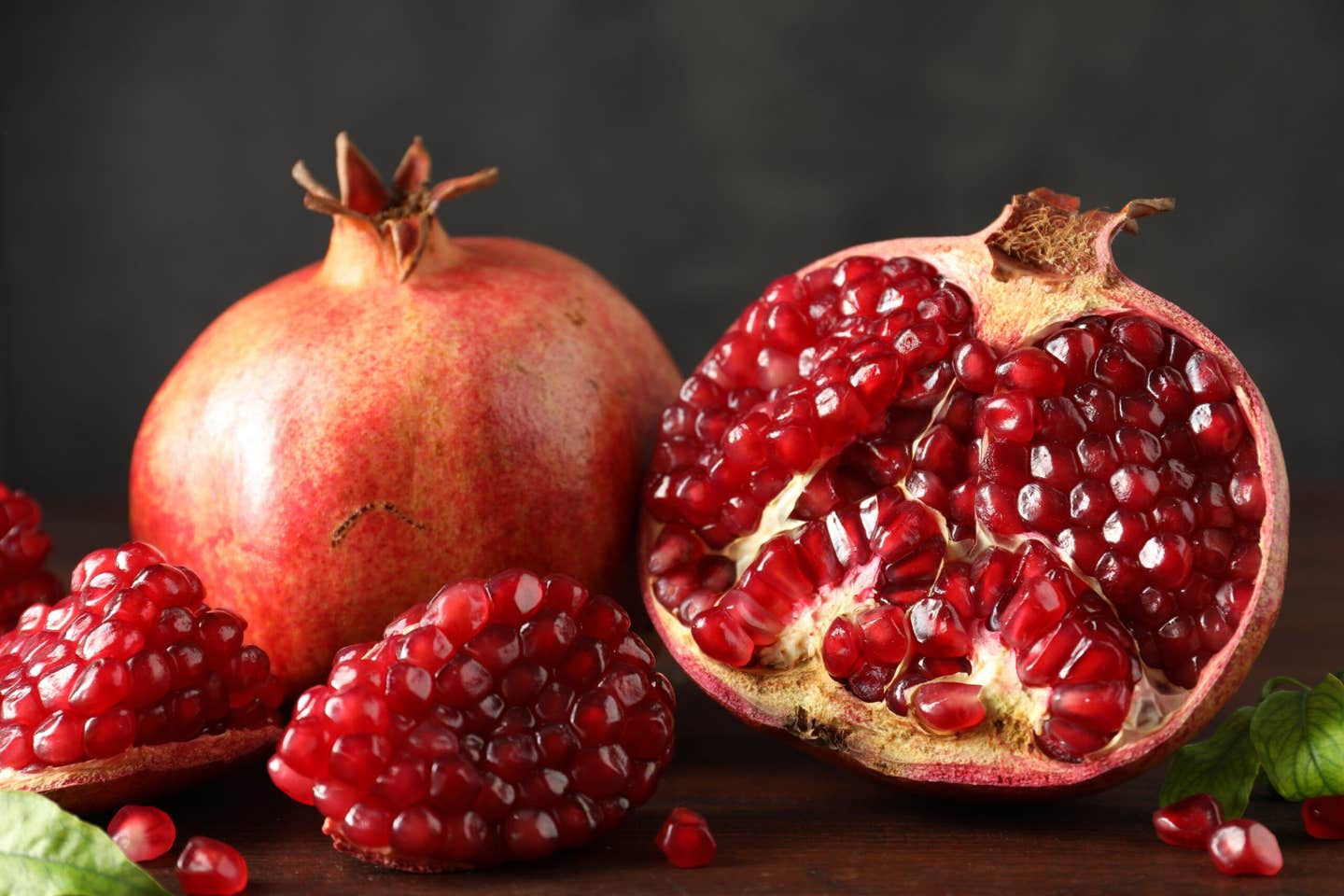
Water-based guava extract targets elevated blood sugar, cholesterol and heart disease
A rat study links water-based guava extract with lower glucose, healthier blood lipids and reduced oxidative damage.

 Edited By: Joseph Shavit

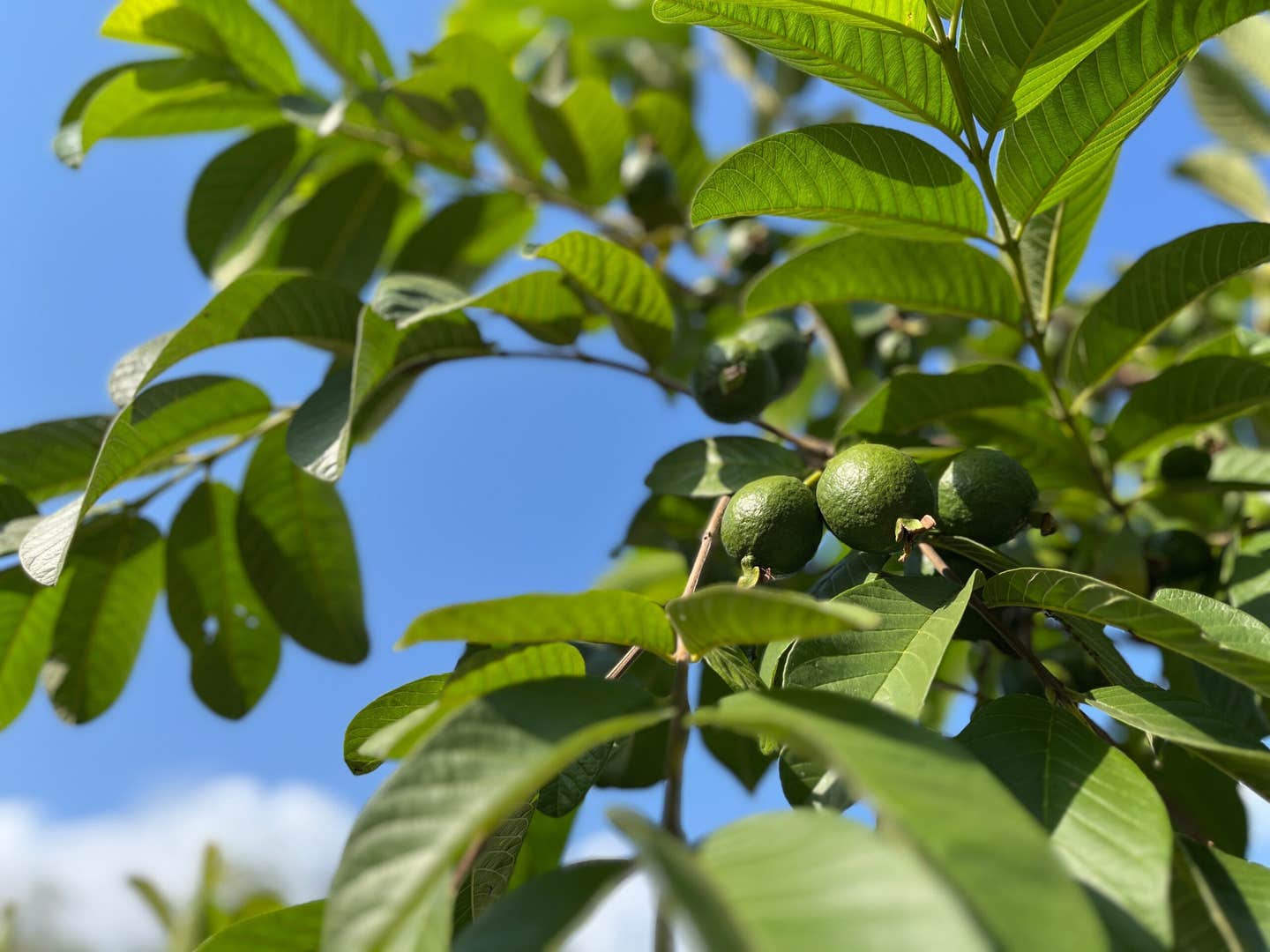
A rat study links water-based guava extract with lower glucose, healthier blood lipids and reduced oxidative damage. (CREDIT: Shutterstock)
Diabetes does not stop at elevated blood sugar, rather it often arrives with abnormal cholesterol, excess blood fats, and damage linked to oxidative stress. Together, those problems can raise the risk of complications, including heart disease.
A study in rats examined whether a water-based guava extract could address several of those changes at once.
The researchers reported lower fasting blood glucose in treated animals. They also found improvements in cholesterol, blood fats, and antioxidant defenses. The work focused on Psidium guajava, the tropical plant that produces guava fruit.
Raj Kumari, a professor and dean at I.T.S College of Pharmacy in Muradnagar, India, conducted the study.
The results offer an early laboratory signal, not evidence of a diabetes treatment for people.
A Plant With a Long Medical History
Guava grows throughout tropical and subtropical regions.
Communities have used different parts of the plant in traditional medicine. Scientists have also examined guava for a range of possible health effects.
The new work narrowed its attention to diabetes and related metabolic problems. Researchers prepared an aqueous extract, meaning they used water during extraction. The study refers to the material as PsAq.
The question extended beyond whether PsAq could lower glucose.
Diabetes frequently disrupts the way the body handles fats and cholesterol. It can also weaken natural defenses against harmful chemical reactions inside cells.
Those changes may reinforce one another.
Long-term high blood sugar can encourage the production of unstable molecules commonly called free radicals. When the body cannot control them, oxidative stress develops. That stress can damage fats inside tissues through a process called lipid peroxidation.
The researchers therefore tracked glucose, blood lipids, cardiovascular risk indicators, and several measures of oxidative damage.
Creating a Diabetes-Like Condition
The experiment used albino Wistar rats. Researchers induced diabetes with a single injection of streptozotocin, commonly shortened to STZ.
Laboratories often use STZ to damage insulin-producing cells. The resulting condition shares certain features with diabetes.
After developing the diabetes-like condition, the rats received guava extract by mouth.
One group received 150 milligrams per kilogram of body weight each day. Another received 250 milligrams per kilogram.
Treatment continued for 21 days. The team then measured fasting blood glucose and several forms of cholesterol and fat.
Those measurements included total cholesterol, triglycerides, low-density lipoprotein, and very-low-density lipoprotein. Low-density lipoprotein is commonly called LDL. Very-low-density lipoprotein is known as VLDL.
Researchers also measured high-density lipoprotein, or HDL.
They calculated an atherogenic index as an indicator of cardiovascular risk. Tissue tests tracked oxidative stress and the activity of natural antioxidant systems.
The design allowed the team to look at several features of diabetes together. It did not test the extract in people.
Changes Beyond Blood Sugar
The treated rats recorded significantly lower fasting blood glucose. That finding supported the possibility of a glucose-lowering effect in this animal model.
Yet the lipid results formed an equally important part of the study.
Animals receiving PsAq had lower total cholesterol and triglycerides. LDL and VLDL levels also declined. At the same time, HDL increased.
HDL generally plays a protective role in cardiovascular health. LDL and VLDL can contribute to harmful lipid buildup when present at abnormal levels.
The researchers described this pattern as antihyperlipidemic and antiatherogenic.
Antihyperlipidemic refers to reducing unusually high levels of fats in the blood. Antiatherogenic describes an effect that may oppose processes associated with fatty deposits in arteries.
The study also reported an improved atherogenic index.
Taken together, the measurements suggest that PsAq affected more than glucose regulation. The extract appeared to alter several metabolic problems that often accompany diabetes in the tested rats.
Oxidative Damage Moves in the Other Direction
The researchers found lower lipid peroxidation after treatment.
Lipid peroxidation occurs when unstable molecules attack fats within cells and tissues. Scientists often use it as a marker of oxidative damage. A decline in that marker suggested less damage to tissue fats.
The treated animals also had higher levels of glutathione.
Glutathione is one of the body’s important natural antioxidants. It helps cells control reactive molecules before they cause further harm.
Several antioxidant enzymes became more active as well. Those enzymes form part of the body’s internal defense system. They help process reactive molecules generated during ordinary metabolism and disease.
Chronic high blood sugar can overwhelm those protections.
The combination of lower lipid peroxidation and stronger antioxidant activity points to a broader biological response.
PsAq did not appear to act through one isolated pathway. Instead, the findings linked the extract with glucose control, lipid balance, and resistance to oxidative stress.
One Extract, Several Possible Effects
The researchers view that combined activity as especially relevant to diabetes. High blood sugar, abnormal lipids, and oxidative damage often occur together. Treating only one feature may leave the others unchanged.
In the rat study, guava extract moved several measurements in favorable directions.
It lowered fasting glucose.
It reduced total cholesterol, triglycerides, LDL, and VLDL. The treatment also raised HDL and strengthened antioxidant defenses.
That pattern does not explain exactly which compounds inside the extract produced each effect. The source also does not identify a single molecular pathway responsible for the results.
Guava contains many natural chemicals, and a water-based extract may carry several of them at once. The findings therefore describe what happened in the animals, not a complete explanation of how it happened.
That distinction matters.
A mixture can influence multiple biological systems while leaving researchers with more than one possible mechanism.
The Human Evidence Gap
Animal studies help researchers test ideas under controlled conditions. They cannot establish that the same treatment will work safely in humans.
Rats process chemicals differently from people. A dose based on body weight also cannot be converted directly into a safe human amount.
The study lasted 21 days, which limits conclusions about long-term use.
Its results apply to rats with an STZ-induced diabetes-like condition. That laboratory model does not capture every feature of human diabetes.
The source does not report clinical testing, human dosing, or evidence that guava extract can replace established care.
It also does not provide enough information to judge possible medication interactions or side effects in people. The authors present the work as support for further investigation.
That is a narrower claim than calling guava an established natural treatment.
Related animal research also stresses that human trials remain necessary before guava leaf extracts can be recommended for diabetes care.
Practical Implications of the Research
The study gives researchers several targets for future work.
Human studies could test whether a standardized guava extract affects glucose, cholesterol, triglycerides, or oxidative stress markers. Researchers would also need to identify safe doses and examine long-term effects.
Standardization will matter because plant extracts can vary.
Different growing conditions, plant parts, and preparation methods may change the chemicals present in a finished product. The findings could also guide laboratory work on individual compounds within PsAq.
Scientists may determine whether one substance drives the glucose response while another influences lipids or antioxidants.
For now, the research supports a possibility rather than a medical recommendation.
Guava extract affected several diabetes-related problems in rats during a short experiment. That makes it worth studying further.
It does not make it a substitute for prescribed medication, professional care, or treatments already supported by human evidence.
Research findings are available online in the journal PubMed Central.
The original story "Water-based guava extract targets elevated blood sugar, cholesterol and heart disease" is published in The Brighter Side of News.
Related Stories
- Gut microbes linked to type 2 diabetes years before diagnosis
- New oral diabetes pill sharply lowers blood sugar and body weight in phase 2 trial
- AI model helps MRI scans predict diabetes, heart risks and death
Like these kind of feel good stories? Get The Brighter Side of News' newsletter.
Mac Oliveau
Writer
Mac Oliveau is a Los Angeles–based science and technology journalist for The Brighter Side of News, an online publication focused on uplifting, transformative stories from around the globe. Having published articles on MSN, and Yahoo News, Mac covers a broad spectrum of topics including medical breakthroughs, health and green tech. With a talent for making complex science clear and compelling, they connect readers to the advancements shaping a brighter, more hopeful future.