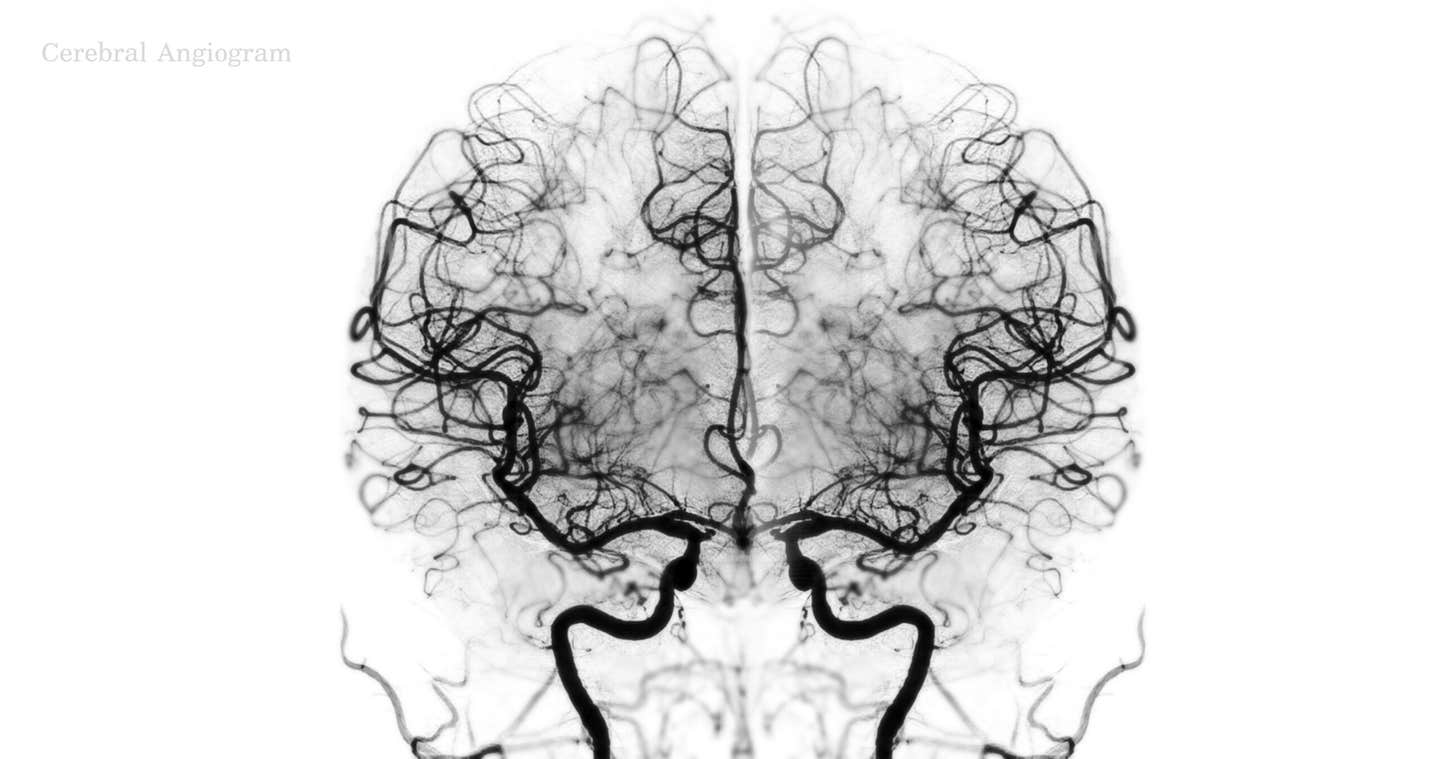
MIT study finds hidden language network in the human brain
New MIT research shows language processing involves more brain regions than previously thought, revealing a broader but efficient network.
 MIT Writer: Sarah McDonnell

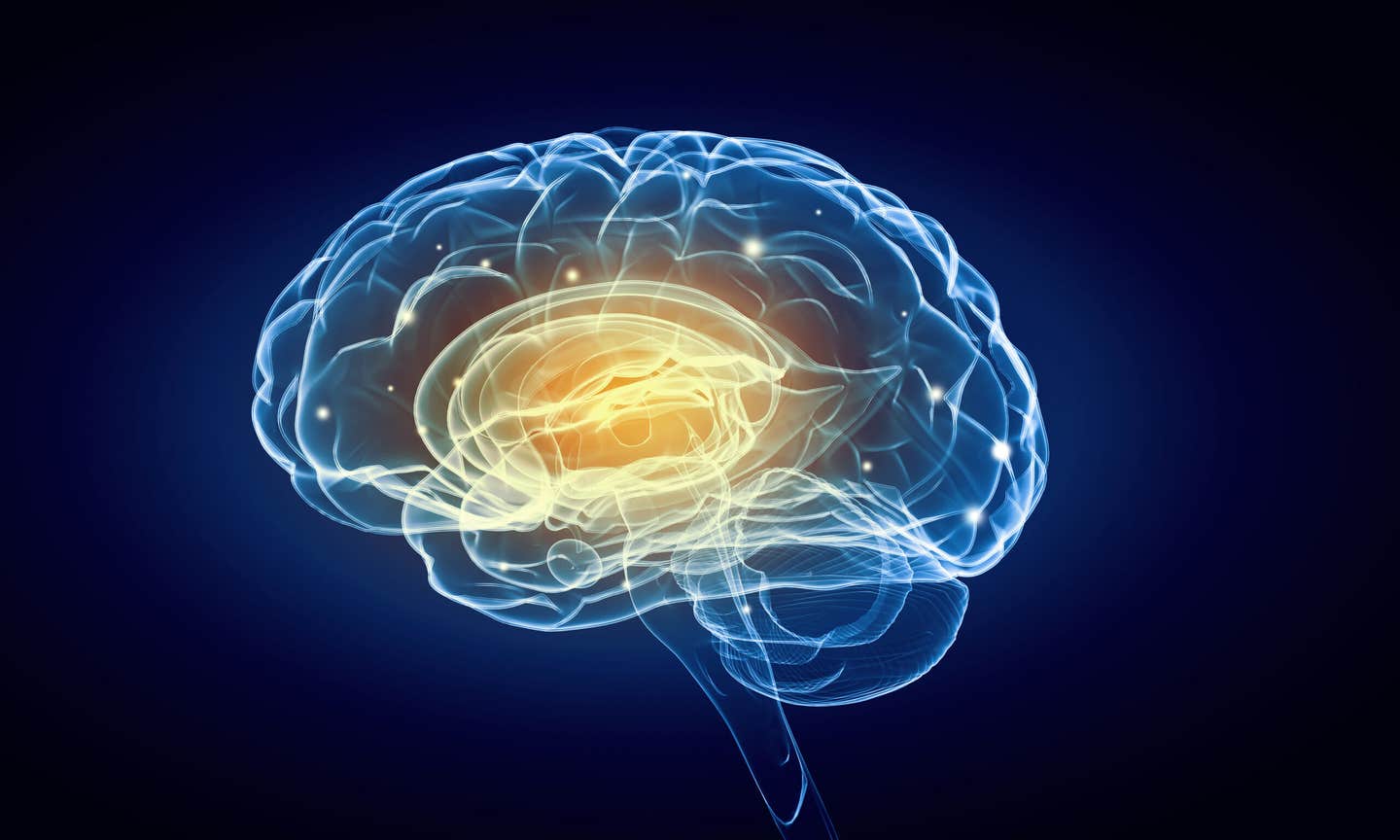
A new study finds that language processing extends beyond classic brain areas, revealing a wider network that supports communication. (CREDIT: Shutterstock)
- MIT researchers analyzing fMRI scans from 772 people found that language processing extends beyond the brain’s traditional speech centers into 17 additional regions linked to memory, emotion, movement, and other functions.
- The newly identified language-responsive areas include parts of the cerebellum, hippocampus, amygdala, medial frontal cortex, and temporal lobe, suggesting language depends on a broader network that integrates meaning with memory, emotion, and coordination.
- Despite the expanded network, all identified language regions occupy only about 5% of the brain’s volume, revealing a surprisingly compact system that could reshape research into language disorders, rehabilitation, and learning.
Language has long been tied to a few well-known regions on the left side of the brain. For decades, scientists pointed to areas in the frontal and temporal lobes as the core centers of speech and understanding. A new study from the Massachusetts Institute of Technology now shows that the story is more complex, and far more fascinating.
By analyzing brain scans from more than 700 people, researchers found that language processing extends into many additional regions. These areas are spread across the brain, including parts linked to memory, movement, and emotion. Together, they form a broader network that supports how people understand and use language.
“Even though there are all these distant components, it’s pretty restricted in terms of volume. You don’t need that much of the brain to do language,” said Evelina Fedorenko, an associate professor of brain and cognitive sciences at MIT and senior author of the study.
Beyond The Classic Language Centers
The traditional view of language in the brain dates back to the 19th century. Scientists identified Broca’s area and nearby regions as essential for speech and comprehension. Over time, research confirmed that these areas play a central role.
Yet hints of a larger system have appeared for years. Brain scans often showed activity outside these classic regions. Many researchers dismissed those signals as unrelated or too weak to matter.
“When we initially started looking at language, in the first couple of papers, I tried to be comprehensive and include anything that seemed consistent across participants, and there was a huge amount of resistance,” Fedorenko said. “People would say things like, ‘Well, we know those are not language areas, so please focus on the language areas.’”
The new study revisits that assumption. By taking a broader and more detailed look at brain activity, the team identified 17 additional regions that respond to language.
A Large Study With A Clear Method
The research relied on functional magnetic resonance imaging, or fMRI, data from 772 participants. Each person completed a task designed to isolate language processing.
Participants read or listened to real sentences. They also encountered strings of meaningless words. By comparing the brain’s response to these two conditions, researchers could pinpoint areas that respond specifically to meaningful language.
“It’s a very simple paradigm that lets you identify this core language system in individual brains,” said Agata Wolna, the study’s lead author.
For many participants, the team also collected data from a separate task involving spatial memory. This allowed them to compare language-related activity with general thinking processes.
A Wider Network Emerges
The results revealed a distributed system that goes beyond the familiar language centers. The newly identified regions appear in several parts of the brain.
Some are located in the cerebellum, which is best known for coordinating movement. Others appear in the hippocampus, a structure linked to memory, and the amygdala, which plays a role in emotion.
Additional regions were found in the medial frontal cortex and along the lower surface of the temporal lobe.
Of the 17 new areas, five are located in the cerebellum. These findings are especially intriguing because they suggest that language may draw on systems traditionally associated with physical coordination.
“Those areas that respond to both language and some other tasks could be really interesting and important because they may be doing something like integrating information from different cortical systems,” Fedorenko said.
What These Regions Might Do
The exact role of these additional regions remains unclear. However, the findings offer clues about how language works as a whole.
Some areas may help connect language to memory. The hippocampus, for example, could support the ability to link words with past experiences or stored knowledge.
Other regions may help integrate language with emotion or social meaning. The amygdala’s involvement suggests that understanding tone or emotional context may require more than the classic language network.
The cerebellum may play a role in coordinating complex patterns. This could include the timing and structure of sentences, which require precise organization.
Together, these regions suggest that language is not isolated. It interacts with multiple systems that shape how people think, feel, and remember.
A Small But Powerful System
Despite this expanded map, the study highlights an important limitation. Language processing still occupies a relatively small portion of the brain.
All identified regions combined make up about 5 percent of the brain’s volume. This is roughly the size of a large strawberry.
This finding challenges the idea that language is spread across the entire brain. Instead, it relies on a compact but efficient network.
The distinction matters. Many brain areas may activate during language tasks, but only a subset appears to be specialized for language itself.
Why Earlier Studies Missed These Areas
The study also explains why earlier research may have overlooked these regions. Traditional methods often average brain scans across participants. This can blur smaller areas that vary from person to person.
In this study, researchers used a more flexible approach. They adjusted their statistical threshold and focused on individual brain patterns. This allowed them to detect weaker signals that still appeared consistently.
They also examined areas with weaker MRI signals, which are often ignored. This helped reveal regions that might otherwise remain hidden.
By combining these methods, the team created a more complete picture of the language network.
Separating Language From General Thinking
One of the study’s key questions was whether these regions truly process language or simply respond to difficult tasks.
To answer this, researchers compared language activity with activity from a spatial memory task. This task engages a system known as the multiple demand network, which supports general problem-solving.
The results showed that many of the newly identified regions respond more strongly to language than to general tasks. This suggests that they are genuinely involved in language processing.
However, some regions responded to both types of tasks. These areas may act as bridges, helping the brain combine language with other cognitive functions.
A More Complete View Of The Brain
The findings offer a new way to think about language in the brain. Rather than relying on a few isolated areas, language draws on a network that spans multiple systems.
This network remains specialized and limited in size. At the same time, it connects with regions involved in memory, emotion, and coordination.
The result is a system that is both focused and flexible. It allows people to process language while integrating meaning, context, and experience.
Practical Implications Of The Research
This research could improve how scientists understand and treat language disorders. By identifying a broader network, clinicians may better diagnose conditions that affect communication.
It may also guide rehabilitation strategies. Therapies could target not only core language areas but also supporting regions that help integrate memory and emotion.
In education, the findings highlight how language connects with other cognitive systems. This could influence how reading and communication skills are taught, especially for students with learning challenges.
More broadly, the study advances understanding of how complex abilities are organized in the brain. It shows that even highly specialized functions rely on cooperation between different systems.
Research findings are available online in the Journal of Neuroscience.
The original story "MIT study finds hidden language network in the human brain" is published in The Brighter Side of News.
Related Stories
- Brain-inspired AI model adapts and plans without massive data centers
- New light-sensing device acts like a neuron in the human brain
- Doctors implant first wireless brain-computer device designed to restore communication
Like these kind of feel good stories? Get The Brighter Side of News' newsletter.
Joshua Shavit
Writer and Editor
Joshua Shavit is a NorCal-based science and technology writer with a passion for exploring the breakthroughs shaping the future. As a co-founder of The Brighter Side of News, he focuses on positive and transformative advancements in technology, physics, engineering, robotics, and astronomy. Having published articles on AOL.com, MSN, Yahoo News, and Ground News, Joshua's work highlights the innovators behind the ideas, bringing readers closer to the people driving progress.