Hybrid cooling system could make AI data centers cheaper and more efficient
A single boiling drop pulled heat from a simulated chip hotspot while a water bath carried heat away. The lab test points to a new way to handle sudden temperature spikes.
 University of Waterloo Writer: Ryon Jones

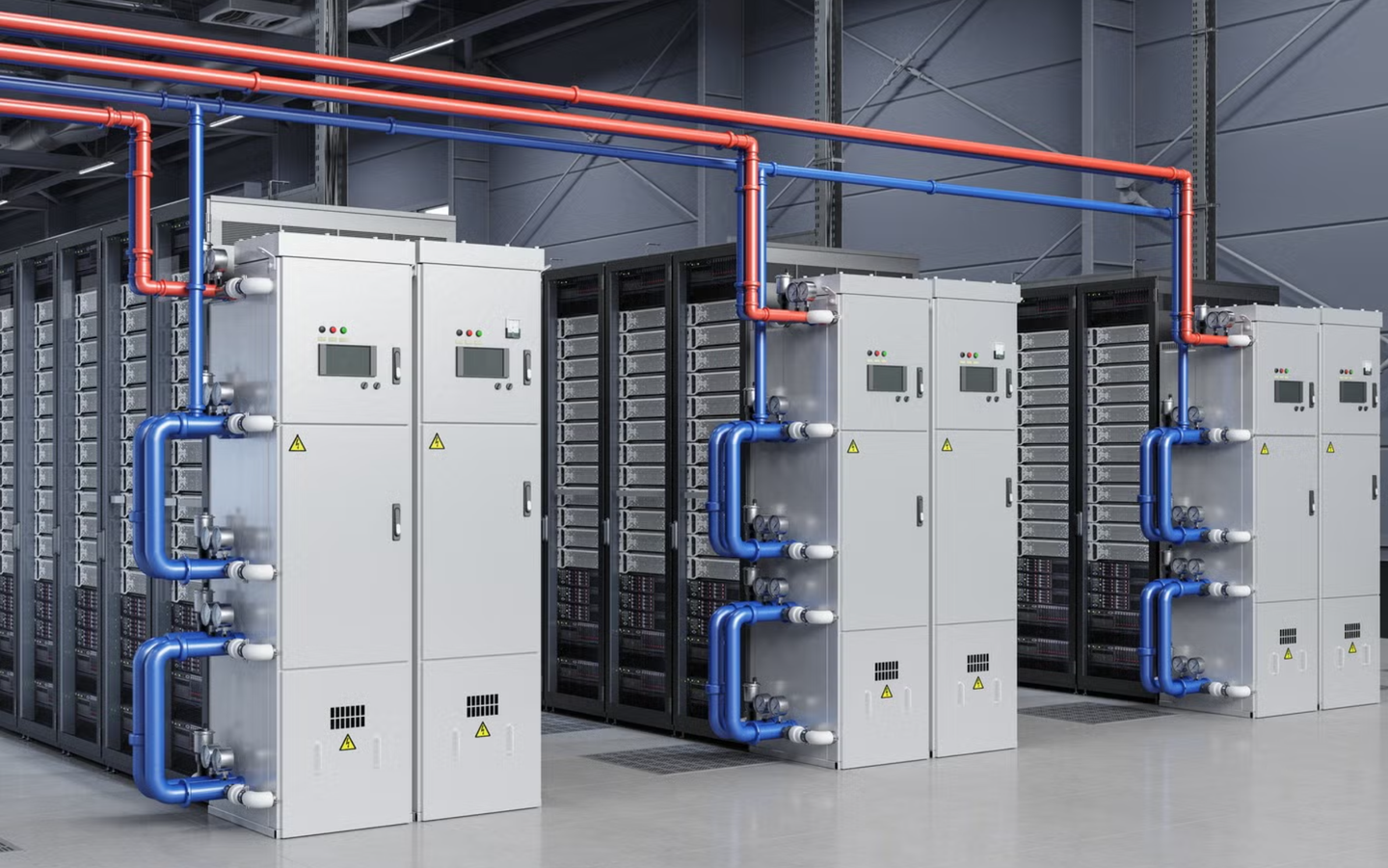
Waterloo researchers used a boiling drop to cool a simulated chip hotspot by 17°C in 15 seconds in a hybrid immersion cooling test. (CREDIT: Wikimedia / CC BY-SA 4.0)
- University of Waterloo researchers paired a bath of deionized water with a drop of coolant that boils on a hot surface.
- In a laboratory test, an uncoated drop brought the center of a simulated hotspot down by about 17°C in 15 seconds.
- A silicone oil coating changed when and how bubbles formed. Delivering fresh drops inside working equipment remains a challenge.
A chip can overheat in one small area while the rest of it stays within its usual operating range. A burst of work can drive up the temperature around a processor core or power circuit before the surrounding coolant has time to carry away the extra heat. Those brief spikes matter in densely packed AI systems, where repeated swings can strain hardware.
Researchers at the University of Waterloo tested a way to cool the hot patch directly. They submerged a laboratory heater in deionized water and placed a single drop of a second liquid on its surface. When the drop boiled, the center of the simulated hotspot cooled by about 17°C within 15 seconds under the highest heating condition they tested.
The study, published in the Journal of Colloid and Interface Science, describes the approach as hybrid immersion cooling. The water takes up heat across the surface. The drop boils where an extra burst of cooling is needed. Tian-Yu Zhang, Arnav Banerjee and Sushanta K. Mitra developed and tested the method.
Existing immersion cooling systems can carry away enough heat to warm a swimming pool. The Waterloo team focused on a much smaller problem: moving heat out of one spot as it spikes. A design that works at both scales could reduce how much specialty coolant a system needs.
Why a boiling drop can cool a hot chip
Water can absorb a great deal of heat before its temperature rises much. Under the still-water conditions used in the experiment, however, the flow that develops naturally around a warm surface takes time to strengthen. A localized surge can heat the surface faster than that flow can remove the extra energy. Other approaches to managing chip heat include redesigning how chips process information so they generate less heat in the first place.
The team chose Novec 7100, a specialty electronics coolant that is denser than water and forms a separate liquid phase. It sinks through the bath and can sit on the hot surface. It also boils at a lower temperature than water, allowing the drop to produce vapor while the surrounding bath stays liquid.
In conventional single-phase immersion, the bath stays liquid as it collects heat. In conventional two-phase immersion, some of the bath itself boils. Waterloo’s setup combines those processes at different locations, so the expensive fluid occupies only a small part of the test chamber.
The change from liquid to vapor absorbs energy from the heater. The bubbles then rise and move nearby water, helping carry heat away from the surface. The two effects happen together. A hotspot on an ordinary chip can affect performance at temperatures far below those explored in experiments on heat-resistant memory.
What the 15-second test measured
The researchers used a heating chip as a stand-in for a processor hotspot. About 30 milliliters of deionized water covered the heater, and a drop of roughly 205 microliters sat at its center before power went on. An infrared camera monitored the temperature from below while a high-speed camera recorded the bubbles. That let the team match changes in the temperature to what happened in the liquid.
At the highest tested heat flux, 14.4 watts per square centimeter, the center cooled by about 17°C within 15 seconds using an uncoated drop. That figure describes the fall in the hotspot’s temperature during the test. It gives a local measurement from the heater, rather than a temperature reduction measured across an operating rack. At this scale, the motions of bubbles matter, just as flows can affect behavior in other liquid systems.
The measured temperature was also local in time. Once the drop boils away, the water bath still has to handle the heat. A brief temperature fall under a burst of heating does not establish how often drops would need to be replenished.
The team ran comparisons with ordinary single-phase and two-phase immersion under natural convection, meaning the tests used no pump to drive the flow. The hybrid approach cooled the hotspot faster than those benchmarks under the reported conditions. The team saw substantial variation between high-heat trials, even though the overall cooling trend repeated. Commercial server cooling often uses equipment to circulate fluid and remove heat from the bath, which would change the comparison.
A thin coating changes when the drop boils
The team also coated drops in silicone oil. An unfilled coating could delay the start of boiling, letting the drop reach a higher temperature before a large bubble formed rapidly. At one heating level, this produced fast cooling after boiling began, but the hotspot first reached a higher peak than it did with an uncoated drop. For hardware sensitive to temperature swings, that peak can matter as much as the rate of cooling afterward.
A coating adds another design choice. A drop that responds too late can allow a damaging spike, while one that boils before reaching the hottest spot would spend some of its cooling capacity in transit.
The researchers then mixed microscopic aluminum nitride particles into the coating. The particles provided sites where bubbles could start forming. Under the highest heat input tested, the particle-filled coatings lowered the peak hotspot temperature by about 10°C compared with the uncoated drop. This was a separate result from the 17°C temperature fall, and it measured a different part of the cooling process.
Some coating remained on the surface after boiling and could slow subsequent heat transfer. The researchers suggest testing thinner-flowing shell liquids to reduce that residue. Other work on thermal management faces a related design problem: a material added to manage heat can alter how the entire device moves that heat.
Getting drops to moving hotspots
The experiment began with the drop already in place. In a working processor, hotspots can emerge in different places as tasks change. One idea is to use sensors to find those spots and deliver a fresh drop. Another is to circulate coated drops through the water and let them boil on contact with hot surfaces. Either design would have to deliver coolant quickly and repeatedly under realistic flow conditions.
Engineers would also need to isolate electronics electrically from the water and test how the liquids, vapor and residues behave over time. The study used small volumes of specialty coolant, but the cost of running a full system would depend on delivery hardware, fluid management and heat removal. Those questions also matter for possible uses in electric vehicle batteries and high-powered lighting.
The immediate next test is whether the drop can arrive quickly enough when the hot spot appears after the cooling system is already running. That will help determine whether the local response seen in the lab can complement other efforts to reduce computing energy and control temperatures in densely packed electronics.
Dig deeper into immersion cooling
Gravity-driven liquid-liquid encapsulation
The Waterloo team describes how a falling drop can acquire a coating as it passes through an interface. (Journal of Colloid and Interface Science, August 2026)
Energy and AI
The report puts cooling in the wider context of rising electricity demand from data centers. (International Energy Agency, April 2025)
2024 United States Data Center Energy Usage Report
The report estimates electricity demand and examines how cooling infrastructure contributes to it. (Lawrence Berkeley National Laboratory, December 2024)
To cool datacenter servers, Microsoft turns to boiling liquid
Microsoft describes a deployment that uses a boiling bath to cool server hardware. (Microsoft, April 2021)
Co-designing electronics with microfluidics for more sustainable cooling
Researchers test a different approach that integrates small coolant channels close to heat-generating electronics. (Nature, September 2020)
Research findings are available online in the Journal of Colloid and Interface Science.
The original story "Hybrid cooling system could make AI data centers cheaper and more efficient" is published in The Brighter Side of News.
Related Stories
- Future quantum computers may be built like modular data centers
- New fuel-cell catalyst could power next-generation data centers
- Brain-inspired AI model adapts and plans without massive data centers
Like these kind of feel good stories? Get The Brighter Side of News' newsletter.
Shy Cohen
Writer