
Whole wheat bread improves glucose tolerance, study finds
A 39-person trial found a lower glucose-test response after whole wheat bread, with preliminary clues involving gut bacteria.
 OSU Writer: Emily Caldwell

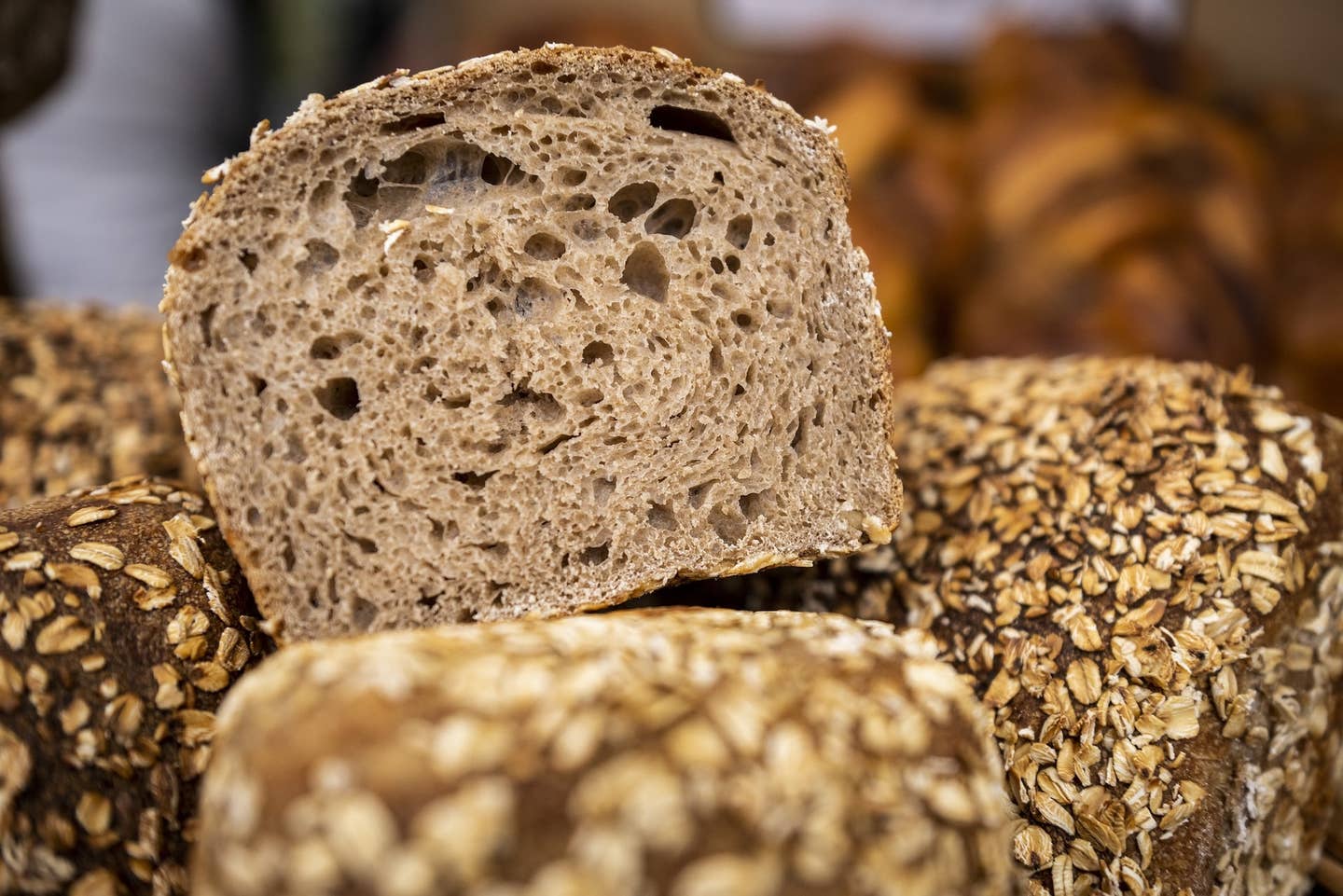
Whole wheat improved glucose tolerance in a short trial, while microbial clues may help explain why individual benefits varied. (CREDIT: Shutterstock)
Replacing white bread with whole wheat changed how adults with prediabetes handled a sugary drink within two weeks. In a controlled trial, their average glucose response fell 27% after the whole wheat phase compared with the white bread phase. The finding concerns a laboratory measure of blood sugar, rather than a demonstrated reduction in diabetes diagnoses.
The team at The Ohio State University also found clues about why participants benefited differently. Their gut bacteria showed associations with the response, both before and after the dietary change. However, these microbial findings remain preliminary.
Published in Frontiers in Nutrition, the study pairs a tightly managed feeding experiment with an unresolved question: which biological differences make the same food more helpful for some people than others?
Testing the bread while controlling the meals
Prediabetes means blood glucose exceeds the normal range without reaching the threshold for diabetes. It increases the risk of developing type 2 diabetes, making dietary changes an important research target. Yet comparing foods becomes difficult when participants change other habits simultaneously.
The investigators addressed that problem by providing every meal during two 14-day periods. Each participant ate 160 grams of either whole wheat bread or refined white bread daily, then completed the other diet. Random assignment determined the order, and a break lasting at least two weeks separated the periods.
This crossover design let researchers compare each person with themselves. It reduced the influence of stable differences between people, which can complicate studies of dietary changes. The controlled meals also limited uncertainty about what participants actually consumed.
Of 49 people who entered the randomized trial, 39 completed all procedures. The final group included 21 men and 18 women, averaging 40.5 years old. Their average body mass index was 34.7, and all participants had overweight or obesity.
Daily calorie allowances ranged from 1,800 to 3,300, depending on individual needs. The team monitored weight and adjusted portions when necessary. This effort helped keep the comparison focused on bread composition rather than a deliberate weight-loss program.
What the 27% improvement actually measures
After each diet, participants drank a solution containing 75 grams of glucose. Researchers collected blood every 30 minutes for three hours. This oral glucose tolerance test measures how the body handles a standardized sugar challenge, rather than the immediate effect of eating bread.
The team calculated the area under the curve for glucose changes relative to each person's starting level. This measure combines the size and duration of the response. It fell from 5,623 to 4,092 milligram-minutes per deciliter after whole wheat, a statistically significant difference with a p-value of 0.04.
That distinction matters when interpreting metabolic health. The result does not mean participants' everyday glucose levels fell 27%, or that their diabetes risk declined by that amount. Individual responses also varied considerably around the group average.
Fasting glucose and insulin improved during both diets, while participants lost a small amount of weight. Those shared changes cannot establish an advantage for whole wheat alone. Researchers found no association explaining the whole wheat glucose-test benefit through the modest weight changes, leaving its effects on glucose control open to further investigation.
The integrated glucose measure also differs from a single peak reading. A lower value can reflect changes across the testing period, so describing it simply as a smaller spike leaves out part of what the researchers measured.
More fiber, but no single proven explanation
The diets supplied broadly similar amounts of calories, carbohydrate, fat and protein. Researchers deliberately preserved the breads' natural differences in fiber and other components. Consequently, the experiment tested whole wheat bread as a food, rather than isolating fiber as the sole active ingredient.
Daily fiber intake averaged 31.4 grams during whole wheat consumption and 24.6 grams during white bread consumption. Most of the difference came from insoluble fiber. Whole wheat retains the grain's bran, germ and endosperm, providing a different nutritional package from refined grains.
Participants followed the instructions closely, consuming 99.7% of the supplied whole wheat bread and 98.8% of the white bread. That adherence strengthens confidence in the dietary comparison. Nevertheless, specially prepared bread within fully supplied meals differs from choosing products and meals independently.
Several measurements failed to explain the glucose difference, including inflammation, cellular stress and stool concentrations of short-chain fatty acids. Gut microbes produce these compounds while processing food, making them plausible candidates in research on carbohydrate quality. Here, however, the measurements did not establish that pathway.
Microbial clues require a closer look
The investigators found no significant difference between diets in overall microbial diversity. Exploratory analyses nevertheless suggested changes in particular bacterial groups. These narrower patterns drew attention because gut microbes could influence how people respond to food without transforming the entire community.
During the whole wheat phase, relative abundance increased for Agathobacter, Agathobaculum and the Lachnospiraceae NK4A136 group. Other groups, including Streptococcus, Lachnoclostridium and Mediterraneibacter, showed downward patterns. Relative abundance describes a group's share of the measured community, rather than its absolute population.
Crucially, treatment-related microbial differences did not remain statistically significant after correction for multiple comparisons. Testing many bacteria increases the possibility of apparently meaningful findings arising by chance. The correction addresses that problem, so these results support hypotheses rather than a confirmed bacterial explanation.
Baseline abundance of Lachnoclostridium and Lachnospiraceae NK4A136 group also showed diet-dependent associations with glucose responses. First author Jillian Pierson and colleagues therefore identified potential markers for future testing. These associations between microbiome features and outcomes do not prove that changing those bacteria would reproduce the benefit.
There are two distinct possibilities to investigate: existing microbes might help identify likely responders, and dietary changes might alter microbial activity. Neither possibility establishes the other. A useful clinical predictor would need to work reliably in people whose data did not help researchers develop it.
Toward nutrition that accounts for individual differences
Co-senior authors Richard Bruno and Jiangjiang “Chris” Zhu frame the work around precision nutrition. This approach seeks dietary guidance informed by individual biology. The appeal comes from variation in responses to food choices, which group averages can conceal.
Zhu's laboratory is examining microbial genes, metabolic products and relationships among bacteria. Such combinations might eventually predict dietary responses more accurately than individual organisms. For now, the work remains too costly and time-intensive for routine clinical use, and these findings do not validate a personalized testing service.
The trial also cannot show whether the benefit persists for months or prevents diabetes. Its small sample and short duration limit those conclusions. Larger studies need to confirm the microbial associations and test predictions in independent groups. Following participants over time would also help distinguish a temporary response from a lasting change in glucose regulation.
What has become clearer is narrower but useful: under controlled conditions, two weeks of whole wheat improved glucose tolerance compared with white bread. Establishing how diet and microbes interact, and whether that knowledge improves long-term health, remains the next challenge.
Dig deeper into whole grains and personalized nutrition
These studies provide context for whole grains, glucose responses and individual dietary differences.
- Intake of whole grain foods and risk of type 2 diabetes: results from three prospective cohort studies: Examines associations between whole grain consumption and later diabetes risk, complementing the short-term trial without proving causation. (BMJ, July 2020)
- Human postprandial responses to food and potential for precision nutrition: Investigates individual differences in metabolic responses to food and their relevance to personalized dietary guidance. (Nature Medicine, June 2020)
- Dietary fibre and whole grains in diabetes management: Systematic review and meta-analyses: Synthesizes evidence concerning fiber, whole grains and diabetes management across multiple studies. (PLOS Medicine, March 2020)
- Bread Affects Clinical Parameters and Induces Gut Microbiome-Associated Personal Glycemic Responses: Compares white and whole-grain sourdough bread, finding individual differences despite no significant overall difference in the clinical measures examined. (Cell Metabolism, June 2017)
- Personalized Nutrition by Prediction of Glycemic Responses: Explores prediction of individual glucose responses using microbiome features alongside clinical and lifestyle information. (Cell, November 2015)
Research findings are available online in the journal Frontiers in Nutrition.
The original story "Whole wheat bread improves glucose tolerance, study finds" is published in The Brighter Side of News.
Related Stories
- Real-time glucose and heart monitoring in a smart wearable device
- Tiny continuous glucose monitors can detect diabetes risk early
- Sunflower oil production waste recycled into protein-packed healthy bread flour
Like these kind of feel good stories? Get The Brighter Side of News' newsletter.
Rebecca Shavit
Writer
Based in Los Angeles, Rebecca Shavit is a dedicated science and technology journalist who writes for The Brighter Side of News, an online publication committed to highlighting positive and transformative stories from around the world. Having published articles on MSN, AOL News, and Yahoo News, Rebecca's reporting spans a wide range of topics, from cutting-edge medical breakthroughs to historical discoveries and innovations. With a keen ability to translate complex concepts into engaging and accessible stories, she makes science and innovation relatable to a broad audience.