
Your healthy diet may still miss key heart nutrients, study finds
Study finds most people lack flavanols for heart health, even with a healthy diet.

 Edited By: Joshua Shavit

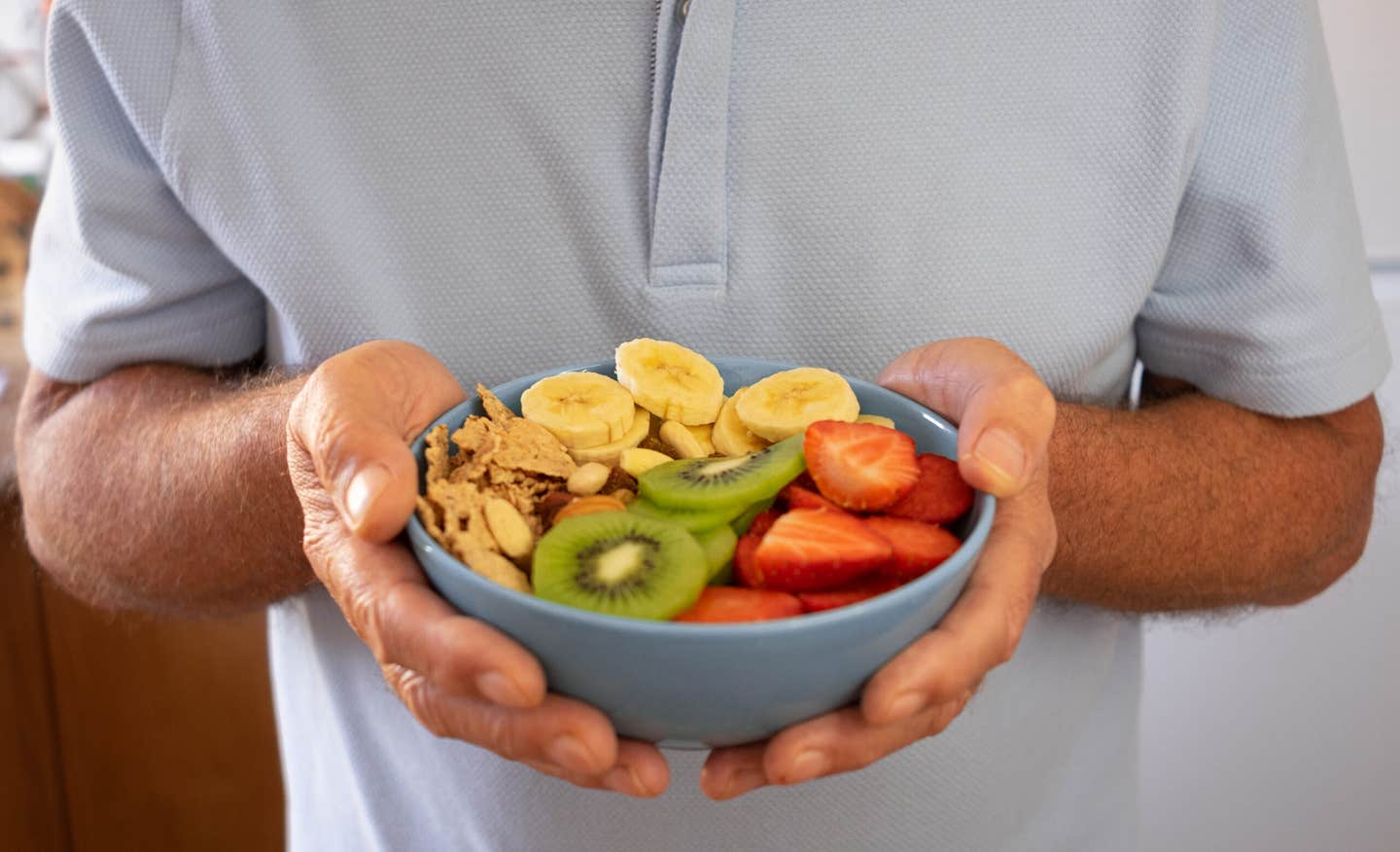
A major study shows that eating fruits and vegetables may not provide enough flavanols to protect heart health. (CREDIT: Shutterstock)
Eating fruits and vegetables has long been seen as a simple path to better health. A new international study suggests that message may be incomplete. The research shows that the types of foods chosen matter more than the total number eaten.
Scientists from University of Reading, Harvard Medical School, and more examined diets across the United States and the United Kingdom. Their findings reveal that most people do not consume enough flavanols, even when following healthy eating guidelines.
These natural compounds, found in certain plant foods, are linked to a lower risk of heart disease. Yet fewer than one in five people reach the levels shown to offer protection.
The Hidden Gap In Healthy Diets
Flavanols are part of a group of plant nutrients known as polyphenols. They support blood vessel function and help protect the heart. Previous research, including the COSMOS trial, found that about 500 milligrams per day can reduce the risk of death from cardiovascular disease.
Despite this, most diets fall short. Researchers tracked more than 30,000 people using biological markers found in urine. These markers gave a more accurate measure than food diaries.
The results were striking. Only about 19 percent of participants in the United States met the recommended level. In the United Kingdom, the number was even lower at 17.9 percent.
This means that more than four out of five people are missing a key component of heart protection.
Why Five A Day Is Not Enough
Public health advice often focuses on eating at least five portions of fruits and vegetables daily. While this guidance improves overall nutrition, it does not guarantee enough flavanols.
Dr Javier Ottaviani, the study’s lead author, explains the issue clearly. “Flavanols can significantly reduce the risk of dying from cardiovascular disease, but only if you consume enough of them.”
He adds that many people assume a healthy diet covers this need. The research shows that assumption is not always true.
Even among those who ate the most fruits and vegetables, only about one in five reached the target. The gap comes down to food choice.
Some Foods Deliver Far More Benefits
Not all fruits and vegetables contain the same levels of flavanols. Some provide a much higher dose per serving.
The study highlights several top sources:
Plums offer about 450 milligrams per large portion. Cranberries provide around 300 milligrams. Blackberries deliver about 250 milligrams. A single cup of green tea contains roughly 200 milligrams.
Other helpful foods include broad beans, cherries, apples with skin, strawberries, blueberries, and pinto beans.
These foods stand out because they contain concentrated amounts of flavanols. In contrast, many common choices, such as bananas or carrots, contain very little.
Small Changes Can Make A Big Difference
The findings suggest that simple adjustments could close the gap. Adding a handful of berries or drinking green tea can significantly boost intake.
Dr Ottaviani notes that small choices matter. A single apple or a cup of tea can increase flavanol levels in a meaningful way.
This idea challenges the belief that only large diet changes improve health. Instead, targeted choices may deliver stronger benefits.
Surprising Patterns In Real Diets
The study uncovered an unexpected trend in the United Kingdom. People who ate more fruits and vegetables were sometimes less likely to meet flavanol targets.
This result reflects the wide variation in nutrient content across foods. A diet rich in low-flavanol produce may still fall short.
Tea consumption played a key role. People who drank more tea were more likely to reach the target. However, even in this group, most still did not meet the recommended level.
These findings show that diet quality involves more than quantity. The mix of foods matters just as much.
Measuring What People Actually Eat
One strength of the study lies in its use of biomarkers. Instead of relying only on self-reported diets, researchers measured compounds directly in the body.
This method reduces errors from memory or misreporting. It also captures differences in how individuals absorb nutrients.
Participants came from two large groups. One included more than 6,500 people in the United States. The other included over 24,000 individuals in the United Kingdom.
Despite differences in age and lifestyle, both groups showed similar patterns. Most people did not reach the flavanol target.
Why Flavanol Levels Vary So Much
Several factors explain the gap. First, flavanol content differs widely between foods. Even within the same fruit, levels can vary due to growing conditions and processing.
Second, many popular foods are low in flavanols. People may meet general nutrition goals without consuming enough of these compounds.
Third, the body processes flavanols differently from person to person. Gut bacteria and metabolism affect how much is absorbed.
These factors combine to create a hidden gap in otherwise healthy diets.
Rethinking Dietary Advice
The findings raise questions about current nutrition guidelines. While “five a day” remains valuable, it may not fully capture the complexity of diet.
Professor Gunter Kuhnle of the University of Reading explains the shift in thinking. “Five-a-day is the right message, but we may need to think more carefully about which five.”
As research advances, experts may refine recommendations to include specific compounds like flavanols. This could help people make more informed choices.
A More Detailed View Of Nutrition
The study highlights a broader trend in nutrition science. Researchers are moving beyond vitamins and minerals to study bioactive compounds.
These compounds influence health in subtle but important ways. Understanding them could lead to more effective dietary advice.
At the same time, experts stress the importance of variety. A balanced diet still provides many benefits beyond flavanols.
The goal is not to replace existing guidelines, but to improve them with more detail.
Practical Implications Of The Research
This research suggests that improving heart health may depend on more precise food choices. Instead of focusing only on the number of servings, people may benefit from selecting foods rich in flavanols.
Public health guidance could evolve to highlight specific fruits, vegetables, and beverages that provide higher levels of these compounds. This shift may help reduce cardiovascular disease risk on a larger scale.
For researchers, the study opens new areas of investigation. Future work may explore how flavanols interact with other nutrients and how individual differences affect absorption.
The findings also support the development of improved food products and agricultural practices that increase flavanol content. Over time, this could make it easier for people to meet recommended levels through everyday diets.
Ultimately, the research points toward a more personalized and targeted approach to nutrition. By understanding what is inside foods, not just how much is eaten, people may better protect their long-term health.
Research findings are available online in the journal Food & Function.
The original story "Your healthy diet may still miss key heart nutrients, study finds" is published in The Brighter Side of News.
Related Stories
- New research challenges the belief that yo-yo dieting ruins your metabolism
- Healthy diets may slow chronic disease and aging in older adults
- 8,500 steps a day can help keep the weight off after dieting
Like these kind of feel good stories? Get The Brighter Side of News' newsletter.
Rebecca Shavit
Writer
Based in Los Angeles, Rebecca Shavit is a dedicated science and technology journalist who writes for The Brighter Side of News, an online publication committed to highlighting positive and transformative stories from around the world. Having published articles on MSN, AOL News, and Yahoo News, Rebecca's reporting spans a wide range of topics, from cutting-edge medical breakthroughs to historical discoveries and innovations. With a keen ability to translate complex concepts into engaging and accessible stories, she makes science and innovation relatable to a broad audience.