New clay discovery keeps fruit fresh longer and reduces global food waste
Scientists develop modified clay that absorbs ethylene gas, helping keep fruits fresh longer and reduce global food waste.
 University of Copenhagen Writer: Maria Hornbek

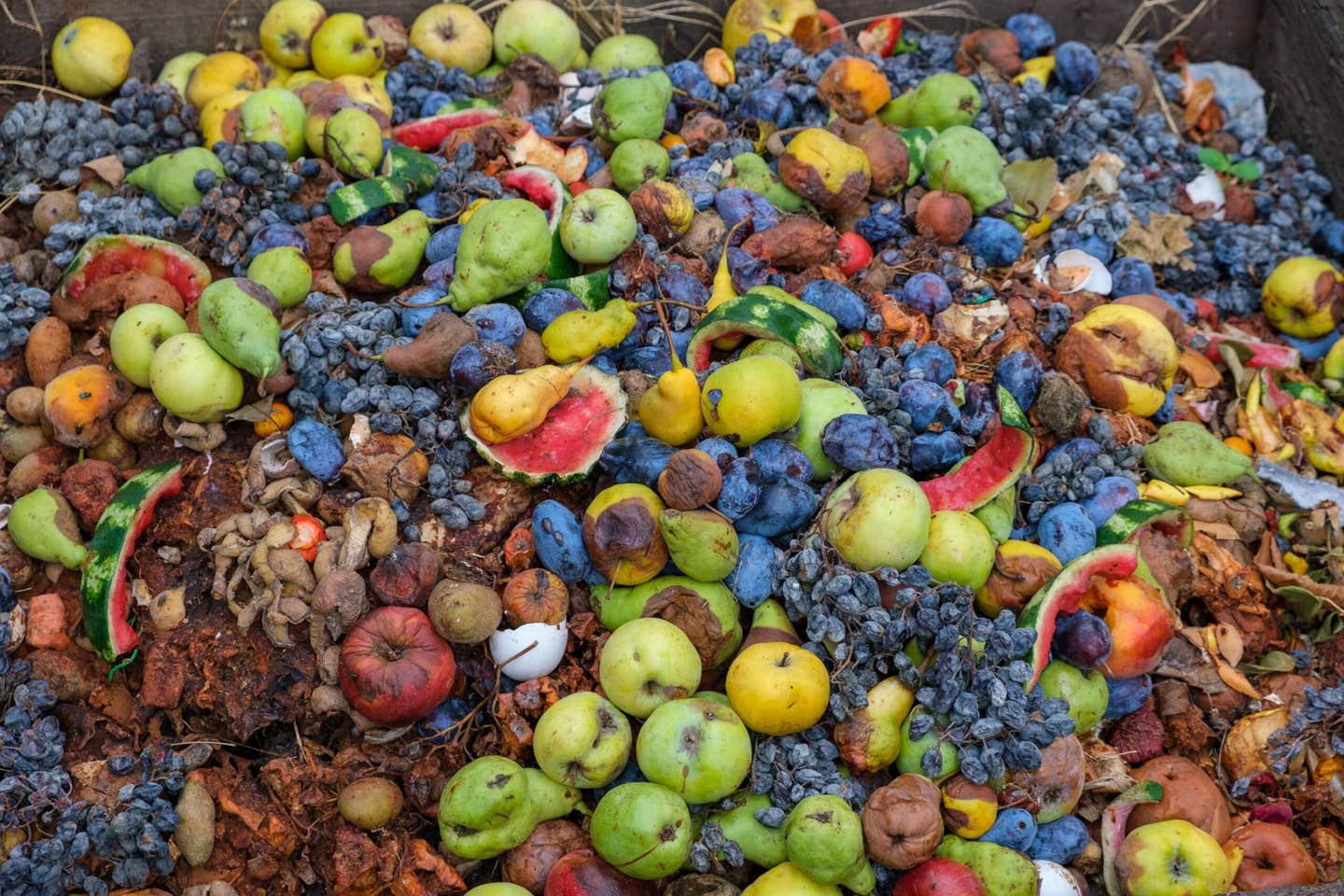
Researchers show that treated clay can absorb ethylene gas, slowing fruit ripening and offering a simple way to reduce food waste. (CREDIT: Shutterstock)
- University of Copenhagen researchers modified low-cost, non-toxic clay to capture ethylene gas, which accelerates fruit ripening and spoilage.
- Small clay-filled packets or pads could be placed inside produce packaging and shipping containers to extend freshness and reduce global food waste.
- Controlling ethylene may allow farmers to harvest fruit closer to peak ripeness, improving flavor while lowering losses for growers, retailers, and consumers.
A quiet, invisible gas shapes the fate of nearly every piece of fresh fruit. It works behind the scenes, speeding ripening and, too often, spoilage. Now, researchers at the University of Copenhagen say an everyday material may help slow that process and reduce waste on a global scale.
Their study shows that modified clay can capture ethylene, the natural gas responsible for ripening, before it builds up and damages produce. The findings suggest a simple, low-cost way to keep fruits and vegetables fresh longer, even after long journeys across continents.
The Hidden Force Behind Food Waste
Fresh produce rarely travels a short distance. Bananas from Central America, tomatoes from southern Europe, and mangoes from South America often cross oceans before reaching stores. During that time, ripening continues.
Ethylene plays a central role in this process. Fruits release the gas as they mature. In open air, it disperses quickly. Inside packaging or shipping containers, it accumulates. As levels rise, ripening speeds up. What begins as a natural process can quickly turn into decay.
This chain reaction leads to massive losses. Millions of tons of produce spoil before reaching consumers. The problem affects farmers, retailers, and families alike. It also wastes the water, energy, and land used to grow that food.
A Simple Material With Untapped Potential
Researchers turned to clay as a possible solution. The material is abundant, inexpensive, and safe. It already plays roles in construction, medicine, and environmental cleanup.
Associate Professor Heloisa Bordallo from the Niels Bohr Institute led the study. She explained the idea behind the work. “Clay is an interesting material because it is natural, cheap, non-toxic and found everywhere - and we can absorb it safely into the body. Our thought was: Can we use chemistry and physics to modify clay so that it captures the gas and thus slows down the ripening process? We have succeeded in doing so,” she said.
At first, the team tested untreated clay. It absorbed only small amounts of ethylene. That result showed promise but also limits. The material needed to hold more gas to make a real impact.
Changing Clay At The Smallest Scale
The researchers then modified the clay’s structure. They used a mild chemical process to create tiny spaces within the material. These spaces act like traps for gas molecules.
By increasing the number of these microscopic openings, the clay could capture more ethylene. Just as important, it held onto the gas instead of releasing it back into the air.
Karina Kovalchuk, first author of the study, described the breakthrough. “Now we know the fundamental physics and chemistry of the process that affects the clay’s ability to absorb and retain ethylene. We didn’t do that before. So now we can control and optimize the process, which is necessary for it to be used in industry,” she said.
This deeper understanding allows scientists to fine-tune the material. They can adjust how much gas it absorbs and how long it holds it.
How It Could Work In Everyday Packaging
The concept is simple but powerful. Small packets of treated clay could be placed alongside fruits and vegetables during transport. These packets would act like sponges for ethylene, reducing the gas level inside containers.
Kovalchuk compared the idea to something familiar. “We imagine small bags or pads of powdered clay that can be placed with fruit and vegetables during transport and absorb ethylene – in the same way as the moisture-absorbing silica bags that often come in the packaging when you buy, for example, shoes and electronics,” she said.
By lowering ethylene levels, the clay slows the ripening process. This gives produce more time to reach markets without spoiling.
Preserving Flavor As Well As Freshness
The benefits go beyond reducing waste. Many fruits are picked early to survive long trips. This early harvest often affects taste.
When fruit ripens after being picked, it does not always develop the same flavor. Sugars, aromas, and textures may remain underdeveloped. The result can be produce that looks ripe but tastes bland.
If ethylene can be controlled during transport, farmers could allow fruits to mature longer on the plant. This would improve flavor while still protecting against spoilage.
Bordallo highlighted this dual benefit. “If we manage to solve the problem with ethylene, it serves two good purposes. First, we can reduce the global problem of food waste. At the same time, it can make it possible to harvest fruit later in the ripening process, so that consumers get fruit that tastes as it should,” she said.
A Step Toward Scalable Solutions
The research team is now working to refine the material. They aim to balance efficiency with environmental safety. The goal is to create a product that performs well without introducing new risks.
Future tests will focus on real packaging conditions. Scientists want to see how the clay performs in shipping containers, storage facilities, and retail settings. These trials will help determine whether the concept can move from the lab to the marketplace.
The material’s simplicity offers a major advantage. It does not rely on expensive metals or complex systems. It can be produced at low cost and used in many environments.
Beyond Fruits And Vegetables
While the study centers on food, the findings may have wider uses. Materials that capture specific gases are valuable in many industries. They can help purify air, control chemical reactions, or reduce emissions.
The same principles used to trap ethylene could be adapted for other gases. This opens the door to new technologies in environmental protection and manufacturing.
The research shows how a common material can gain new abilities through careful design. By understanding how gases interact with surfaces, scientists can create tools that address real-world problems.
A Small Change With Global Impact
Food waste remains one of the world’s most pressing challenges. It affects food security, climate change, and economic stability. Solutions often require large investments or complex systems.
This approach offers something different. It relies on a simple material, modified in a precise way, to address a widespread issue.
The idea is easy to understand. Reduce the gas that speeds spoilage, and food lasts longer. Yet the impact could be far-reaching.
As global demand for fresh produce grows, extending shelf life becomes more important. Technologies like this could help ensure that more food reaches the people who need it.
Practical Implications Of The Research
This research could reshape how food is transported and stored. By reducing ethylene buildup, it may significantly cut losses across supply chains. Farmers could harvest crops closer to peak ripeness, improving taste and nutritional quality.
Retailers may see fewer spoiled products, lowering costs and reducing waste. Consumers could benefit from fresher produce that lasts longer at home. In regions with limited access to refrigeration, this technology could help preserve food during long journeys.
The approach may also support environmental goals. Less food waste means fewer resources are wasted. It also reduces greenhouse gas emissions linked to production and disposal.
Beyond food, the ability to design materials that capture specific gases could influence other fields. Applications may include air purification, industrial processing, and environmental monitoring. The study provides a foundation for future innovations that rely on simple, adaptable materials.
Research findings are available online in the journal Applied Surface Science Advances.
The original story "New clay discovery keeps fruit fresh longer and reduces global food waste" is published in The Brighter Side of News.
Related Stories
- Scientists discover hidden link between food waste, climate change, and aging
- Chef uses fungi to transform food waste into gourmet delights
- Green solar panels made from food waste generate energy without sunlight
Like these kind of feel good stories? Get The Brighter Side of News' newsletter.
Rebecca Shavit
Writer
Based in Los Angeles, Rebecca Shavit is a dedicated science and technology journalist who writes for The Brighter Side of News, an online publication committed to highlighting positive and transformative stories from around the world. Having published articles on MSN, AOL News, and Yahoo News, Rebecca's reporting spans a wide range of topics, from cutting-edge medical breakthroughs to historical discoveries and innovations. With a keen ability to translate complex concepts into engaging and accessible stories, she makes science and innovation relatable to a broad audience.